Dr Thandiwe Chidzungu
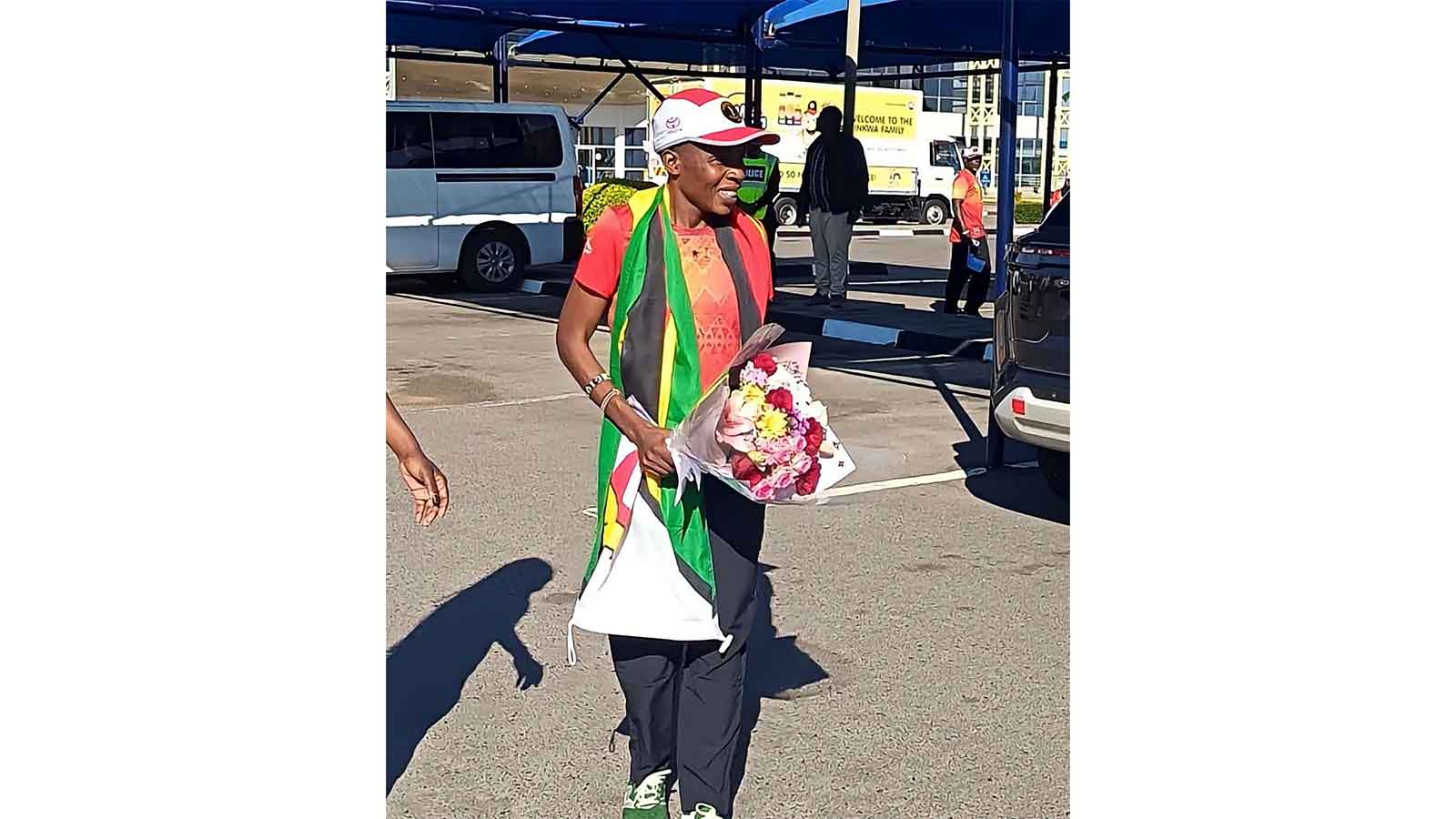
LAST week, I had the privilege of sitting down with Zimbabwe’s golden girl, Nobuhle Tshuma, affectionately known to many as Umagolide. Over a cup of tea, she spoke with humility and warmth, her gentle smile giving little indication of the hardships she has overcome on her remarkable journey to becoming one of the country’s most celebrated athletes.
Behind her success lies a story of resilience, sacrifice and an unwavering belief that better days were possible.
Raised by her grandmother in a rural village in Zimbabwe’s Midlands Province, Nobuhle’s early years were defined by poverty and struggle. Life was far from easy. There were days when there was little food to eat, school uniforms were repeatedly patched to last another term and opportunities seemed painfully scarce.
One of the most difficult moments of her childhood came when she was forced to drop out of primary school because her family could not afford to pay school fees.
Yet even in those difficult circumstances, she refused to surrender her dreams.
“As a teenager I worked as a domestic helper,” she recalls. “Sometimes I was not paid. Sometimes I was treated badly. But I told myself, this will not be my forever.”
Those experiences could easily have left her discouraged. Instead, they strengthened her resolve to build a different future for herself.
Determined to change the course of her life, Nobuhle left Zimbabwe for South Africa while still a young woman. Like many migrants, she arrived with little more than hope and a determination to succeed.
Without formal qualifications, she accepted whatever work she could find. An opportunity eventually opened up at a salon in Tembisa, where she received practical training and qualified as a hairdresser.
It was a skill that would become one of the foundations of her life.
Today, even as an elite athlete competing at the highest level, she still relies on hairdressing between training camps and major races. The salon chair and the running track have become two worlds she continues to balance with remarkable discipline.
Her journey into athletics began unexpectedly.
At around the age of 15, while living in Tembisa, she joined Elim Clinic’s community running programme. Initially, running was simply another activity in her daily routine.
However, when she started competing in junior races, something special began to emerge.
She won a few races and took home modest prize money.
“That money meant food. It meant hope,” she said.
What may have seemed like small victories to others represented something much bigger to her. The prize money helped put food on the table, but it also gave her confidence and belief in her abilities.
The young athlete soon realised that running could open doors that had previously seemed closed.
She later joined Entsika Athletic Club, where she continues to train today under coaches who recognised her talent long before she became a household name.
Their faith in her abilities helped nurture an athlete capable of competing with the best long-distance runners on the continent.
Many South Africans first came to know Nobuhle through a dramatic and unforgettable moment at the Two Oceans Marathon.
Images of her crawling across the finish line after exhausting every ounce of energy went viral on social media. While others may have stopped, she chose to keep moving forward.
That defining moment captured the essence of her character.
Giving up has never been an option.
The same determination carried her to one of the greatest achievements in Zimbabwean athletics history this year.
Competing at the prestigious Comrades Marathon in Pietermaritzburg, Nobuhle pushed through more than 90 kilometres of physical and mental challenge to finish second overall.
In doing so, she claimed a coveted platinum medal and became the first Zimbabwean woman ever to stand on the Comrades Marathon podium.
It was a historic achievement that brought pride to Zimbabwe and cemented her place among the country’s sporting greats.
What makes her accomplishment even more remarkable is the balancing act she performs away from competition.
Nobuhle is not only an elite athlete. She is also a devoted mother of three and a businesswoman.
Her days begin long before sunrise as she heads out for training. Afterwards, she returns to her salon to attend to clients before dedicating the evening to her family.
It is a demanding routine that requires sacrifice, discipline and an unwavering commitment to her goals.
She is quick to acknowledge that she does not walk this journey alone.
Nobuhle credits her husband for being a constant source of support and gratitude, and she also praises a trusted caregiver who helps look after their children whenever race commitments take both parents away from home.
“Without that support, I could not do this,” she said.
While medals and records have brought her recognition, Nobuhle’s ambitions stretch far beyond personal achievement.
She is deeply committed to giving back to the community that shaped her.
Inspired by Zimbabwean philanthropist S.W., she dreams of creating lasting change for vulnerable people in her rural home area.
Rather than spending all of her earnings on herself, she is already planning projects aimed at improving the lives of others.
From the money she earned at Comrades, she plans to purchase blankets for elderly and vulnerable community members.
Her long-term vision is even more ambitious.
She hopes to drill a borehole in her rural village so that families can have reliable access to clean water.
“I know what it feels like to lack. If I can ease that for someone else, I must,” she said.
It is a goal rooted in personal experience.
Having grown up in hardship, she understands the challenges that many families continue to face and wants her success to benefit others.
In athletics, Nobuhle looks up to South African superstar Gerda Steyn.
She admires Steyn’s dominance, consistency and discipline, qualities she seeks to emulate in her own career.
Yet she believes her greatest source of strength comes from somewhere else.
Faith.
She says it is God who carried her through the toughest moments of her life and athletic journey.
When challenges seemed overwhelming, when disappointment threatened to derail her dreams and when quitting appeared easier than carrying on, she found strength through her faith.
She said when she wanted to quit, God reminded her why she started.
Today, Nobuhle uses her story to inspire other young women, especially those who may feel trapped by poverty, negative labels or difficult circumstances.
Her message is both powerful and practical.
“Never allow negative voices to define your future. Even when people label you a failure, keep working hard and stay disciplined. Success is possible. Trust in God. And look at sport — it can change your life. Through running, I built a home, I bought a car, and I found financial stability.”
Those words carry extra weight because they come from lived experience.
Nobuhle Tshuma knows what it means to go to bed hungry. She knows what it feels like to have opportunities taken away by poverty. She understands the pain of being overlooked and underestimated.
Yet she also knows the power of perseverance.
From a young girl raised by her grandmother in a struggling rural community to a woman who has placed Zimbabwe on the Comrades Marathon podium, her journey is nothing short of extraordinary.
Nobuhle “Umagolide” Tshuma’s story is a reminder that circumstances do not determine destiny.
With courage, faith, discipline and a refusal to give up, even the most impossible dreams can become reality.
Zimbabwe is watching her journey with admiration.
And Zimbabwe could not be prouder.