Online Reporter
Ivan Zhakata-Features Correspondent
FOR years, members of apostolic sects were associated with modest living: white garments and simple footwear cut from used vehicle tyres, known as manyatera.
The sects, which emphasise humility and spiritual devotion, were often linked to low-income communities, with followers prizing faith over material wealth.
That perception is shifting — and the late businessman and philanthropist Wicknell Chivayo, popularly known as “Sir” Wicknell, played a significant role in changing it.
“Sir” Wicknell, himself a member of the apostolic faith, died on September 30, 2026, in a helicopter crash in Marondera Rural that also killed his wife, Lulu, and three others on board. News of his death sent shock and grief across the nation and the region.
In recent years he channelled substantial resources towards churches, donating top-of-the-range vehicles — Toyota Fortuner GD6 models, Land Cruisers and buses — for congregational use. Church leaders and congregants say the donations improved mobility, enhanced outreach programmes and strengthened the operations of various apostolic sects.
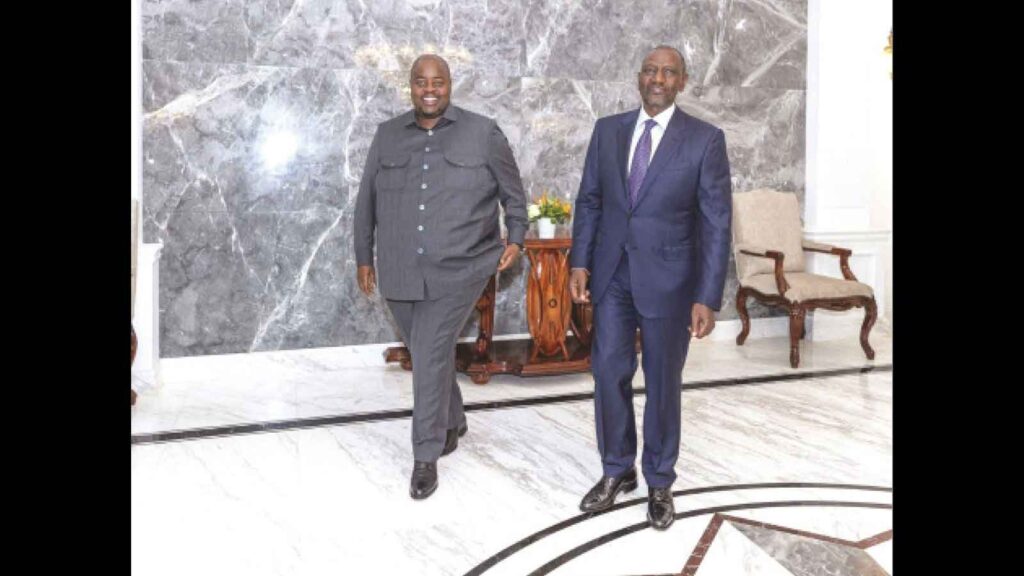
“Sir” Wicknell Chivayo and Kenyan President William Ruto.
“What we are witnessing is a transformation,” said an apostolic elder in Harare. “We have always been spiritually strong, but now we are also empowered to operate more effectively as churches.”
His philanthropy, which first gained prominence in Harare, spread nationwide, benefiting congregations in both urban and rural areas.
In an interview a few months before his death, Sir Wicknell said his giving was rooted in his background and his faith.
“I am only just getting started. As long as God continues to bless me, I will continue blessing others,” he said.
“My inspiration comes from where I started in life. I was born in Gandami in Chivhu and lost my father at a young age, leaving my mother to raise us under difficult circumstances.”
Financial constraints forced him to leave school early and work to support his family.
“Being the only boy child, I had to take responsibility for my family. Those experiences shaped my understanding of hardship and created a desire to succeed, but also to help others facing similar challenges,” he said.
He credited those who helped him in his early years.
“I benefited from the generosity of people who had no obligation to assist me. That is why I believe I have a duty to uplift others.”
His apostolic faith, he said, guided his philanthropy.
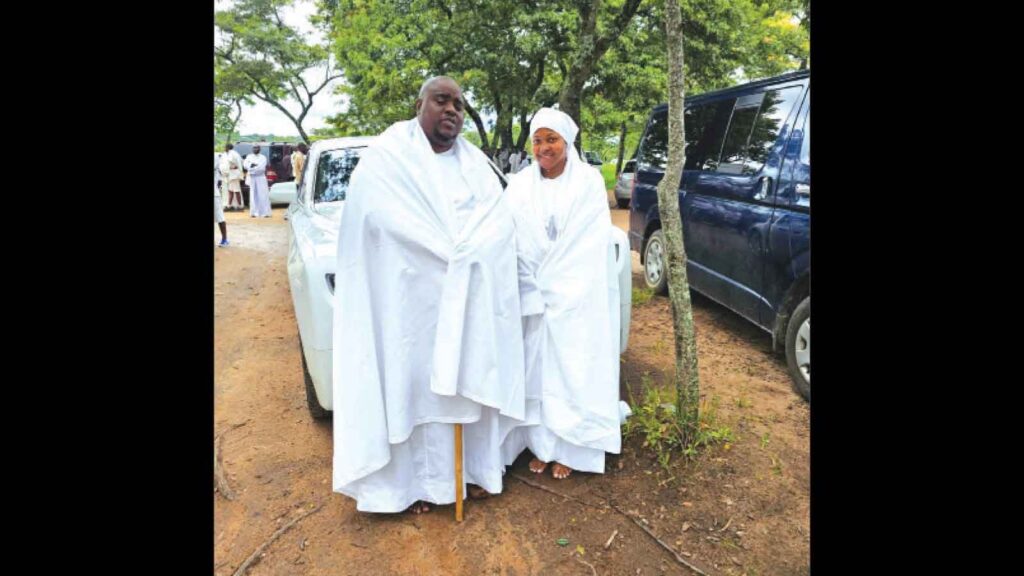
Wicknell Chivayo and his wife, Lucy, at church.
“My faith teaches that one good turn deserves another. If God blesses you, you must also bless others, especially those you worship with.”
He said his donations recognised the role of church leaders and congregants.
“Pastors provide guidance and hope to communities, often without recognition. It is important to support and appreciate their contribution.”
His interventions extended beyond churches to vulnerable individuals, including students, families in financial difficulty and patients needing medical assistance. He also ventured into football, providing financial and material support to players and clubs. “Sport plays an important role in bringing people together and inspiring young people. Supporting athletes is part of empowering communities,” he said.
While the transformation within the apostolic sect has been widely acknowledged, it has also sparked debate about the balance between traditional humility and modern expressions of empowerment. Harare-based sociologist Everson Chambe said religious communities naturally evolve with changing socio-economic conditions. “Faith and empowerment are not mutually exclusive. What we are seeing is an adaptation to new realities,” he said.
For many congregants, the impact has been tangible. “Transport has always been a challenge, especially for those travelling long distances for services. The buses and vehicles have made a big difference,” said Madzimai Esther, a congregant from Mashonaland East.
“Sir” Wicknell said his approach was guided by the potential to make a meaningful difference. “There is no formula. I simply ask whether the assistance will change someone’s life. If the answer is yes, then I act,” he said.
His long-term vision was to promote empowerment through education, entrepreneurship and innovation.
“My vision is a Zimbabwe where opportunities reach everyone. Philanthropy provides immediate relief, but long-term empowerment is key,” he said.
As his philanthropy expanded, his influence was increasingly felt across the apostolic community and beyond — reflecting a broader shift towards empowerment within Zimbabwe’s religious and social landscape.