Sidumisile Mabena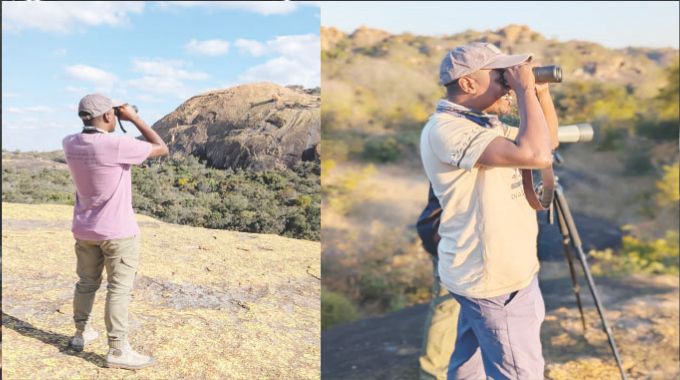
Mbulelo Mpofu, [email protected]
ZIMBABWE’S wildlife has long been a major draw for tourists, with attractions such as Victoria Falls, Hwange National Park and the country’s rich cultural heritage drawing visitors from around the world. Now, a new tourism initiative is shining the spotlight on another of the country’s natural treasures — its birds.
The recently launched Kavango Zambezi Birding Route is set to position Southern Africa as one of the world’s leading birdwatching destinations. Stretching across Zimbabwe, Zambia, Botswana, Namibia and Angola, the route aims to attract bird enthusiasts while promoting conservation and sustainable tourism across the region.
For Zimbabwe, the initiative presents an opportunity to showcase a lesser-known side of its tourism offering. Home to more than 670 recorded bird species, the country is regarded as one of Africa’s finest birdwatching destinations, with habitats ranging from mountain forests and wetlands to savannahs and river valleys.
Birdwatching, also known as avitourism, has become one of the fastest-growing sectors of nature tourism worldwide. Keen birders often travel long distances and spend significant amounts of money in search of rare and unique species, creating income for local communities, guides, accommodation providers and conservation projects.
According to Mthabisi Bafana Charles Khumalo, Curator of the Ornithology Department at the Natural History Museum of Zimbabwe and Special Species and Raptors Coordinator for BirdLife Zimbabwe’s Matabeleland Branch Committee, Zimbabwe has several bird species that attract visitors from across the globe.
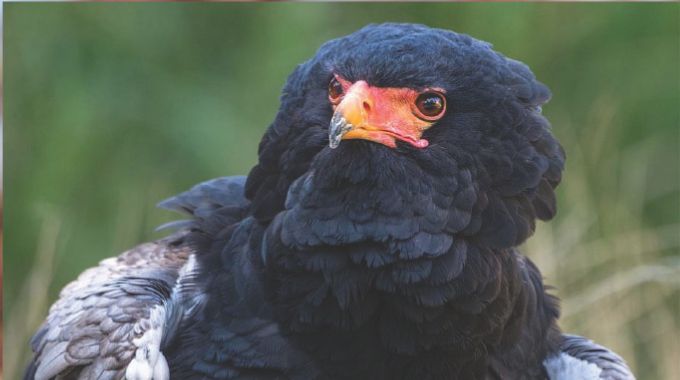
One of the country’s biggest birding attractions is the Black Eagle, more commonly known as the Verreaux’s Eagle.
The species has helped place Matobo National Park firmly on the map for birdwatchers and researchers.
“Matobo National Park is a key site for the species and holds the densest population of Verreaux’s Eagles in the world. Not only that, but Matobo also has the highest density and diversity of eagle species within a relatively small area, making it a unique destination for birdwatchers and researchers,” said Khumalo.
The granite hills and balancing rocks of Matobo provide ideal nesting sites for the majestic birds of prey. Watching them soar above the dramatic landscape is one of the highlights for many visitors to the area.
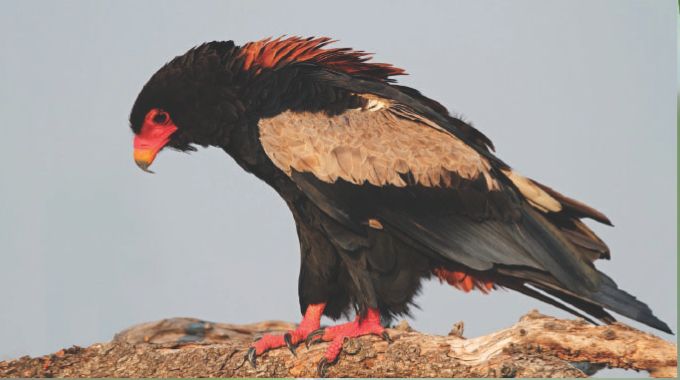
Another bird that holds special significance for Zimbabwe is the Bateleur Eagle. Recognised as the country’s national emblem bird, it is widely associated with the famous Zimbabwe Bird, whose image appears on the national flag and is inspired by artefacts found at Great Zimbabwe.
With its colourful facial markings, distinctive shape and graceful flight, the Bateleur remains a favourite among birdwatchers. Hwange National Park is one of the best places to see the species in the wild, with many tourists combining game drives with birdwatching excursions.
The new KAZA Birding Route is expected to encourage more travellers to explore such destinations while discovering birdlife across national borders.
Along the Zambezi River, visitors are treated to one of Africa’s most colourful spectacles — colonies of Southern Carmine Bee-eaters.
Known for their bright crimson feathers and striking turquoise colouring, these birds dig nesting burrows into sandy riverbanks and gather in large colonies during the breeding season. Their vibrant appearance and fascinating behaviour make them a favourite among photographers and bird enthusiasts.
Large populations can be seen along the Zambezi River, in Mana Pools National Park and in other areas where suitable nesting conditions exist.
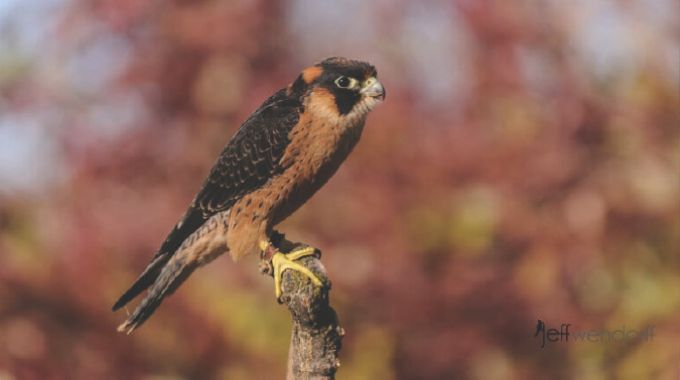
For many birdwatchers, however, few sightings are as exciting as spotting the rare Taita Falcon.
Found in parts of Africa, the species is regarded as one of the continent’s most sought-after birds. Khumalo said the Batoka Gorge below Victoria Falls is considered a global stronghold for the species.
For dedicated birders, the chance to see such a rare bird against the backdrop of one of the world’s most famous natural landmarks is often reason enough to visit Zimbabwe.
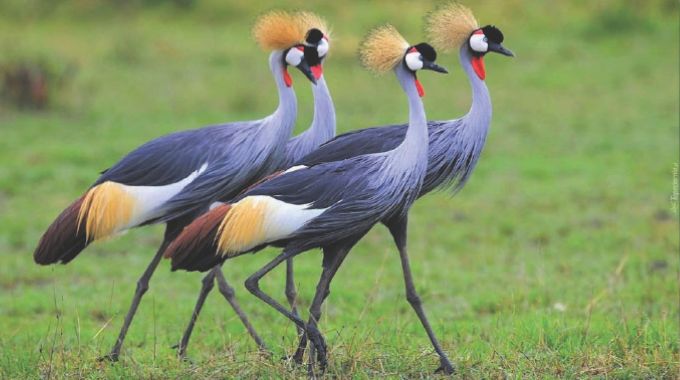
Wetlands also play an important role in the country’s bird tourism industry. Among the most admired species is the Grey Crowned Crane, famous for its elegant golden crown of feathers and graceful appearance.
Often found in wetlands and grasslands, particularly in areas such as the Driefontein Grasslands Important Bird Area, the crane has become both a conservation icon and a major attraction for nature lovers.
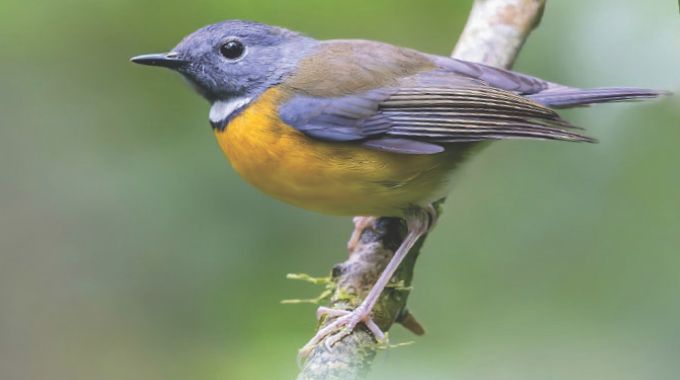
In the Eastern Highlands, another prized species draws birdwatchers from around the world — the elusive Swynnerton’s Robin.
Found mainly in the region’s mist-covered montane forests, the bird is regarded as one of Zimbabwe’s most special species because of its limited range and secretive nature. Many birdwatchers travel specifically to the Eastern Highlands hoping to add it to their birding records.
Its importance to the local tourism industry is reflected by establishments such as Seldomseen Lodge, where one of the facilities is named after the bird.
Tourism stakeholders believe the KAZA Birding Route will help showcase attractions that often receive less attention than traditional safari destinations. By linking birding hotspots across five countries, the initiative encourages visitors to spend more time in the region while exploring a broader range of natural attractions.
For Zimbabwe, the timing is ideal. As the country continues to diversify its tourism products, birdwatching offers an opportunity to attract new visitors and generate additional revenue from its rich natural heritage.
From the soaring Verreaux’s Eagles of Matobo and the colourful Carmine Bee-eaters of the Zambezi Valley to the rare Taita Falcon and the elusive Swynnerton’s Robin, Zimbabwe possesses a wealth of birdlife that few countries can match.
As the KAZA Birding Route takes flight, the country’s skies could become just as important to tourism as its famous wildlife, landscapes and historic attractions. For bird lovers, Zimbabwe is proving that sometimes the most remarkable safari experiences are found not on the ground, but in the air.



 Online Reporter