Chronicle Editor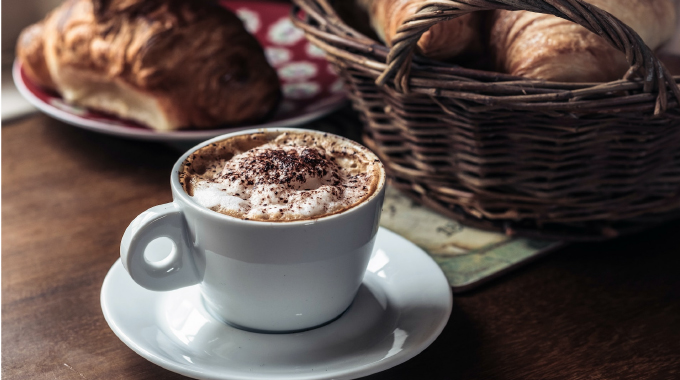
So Sweet
CAPPUCCINO, a beloved coffee drink known for its rich flavour and creamy texture, has a fascinating history that dates back several centuries. Originating in Italy, the cappuccino has evolved through various cultural influences and technological advancements to become the popular beverage we enjoy today.
The name “cappuccino” is derived from the Capuchin friars, a religious order of monks whose brown robes and hoods (cappuccio in Italian) resembled the colour of the coffee when mixed with milk. The drink itself, however, has roots that trace back to the coffeehouses of Vienna in the 18th Century. Known as the “Kapuziner,” this early version was a coffee mixed with cream and sugar, sometimes spiced, and was named for its resemblance to the Capuchin monks’ attire.
The modern cappuccino as we know it began to take shape in Italy in the early 20th century, following the invention of the espresso machine in 1901. This innovation allowed baristas to create a more refined and consistent coffee drink. By the 1930s, the cappuccino had become a staple in Italian cafes, typically served with a layer of steamed milk and topped with milk foam.
After World War II, improvements in espresso machine technology led to the widespread availability of cappuccinos. The “Age of Crema” began, characterised by the rich, creamy foam that tops the espresso. This period also saw the cappuccino’s spread beyond Italy, as it became a popular choice in cafes across Europe and eventually around the world.

In Italy, cappuccinos are traditionally enjoyed only in the morning, often with a pastry.
It is uncommon to see Italians drinking cappuccinos after 11 AM, as they believe milk-based drinks are too heavy for later in the day. The foam on a cappuccino provides a canvas for baristas to showcase their latte art skills. From simple hearts to intricate designs, latte art has become a popular way to enhance the visual appeal of the drink.
Cappuccinos, when consumed in moderation, can offer health benefits. The antioxidants in coffee can help reduce inflammation, and the milk provides a source of calcium and vitamin D. While the traditional Italian cappuccino is made with equal parts espresso, steamed milk, and milk foam, variations exist around the world. In some places, cappuccinos are topped with whipped cream or flavoured with spices like cinnamon or cocoa.
The development of the espresso machine was crucial to the cappuccino’s popularity. Early machines were large and complex, but modern versions are more user-friendly, allowing for the precise control needed to create the perfect cappuccino. Cappuccino’s journey from the coffeehouses of Vienna to the global stage is a testament to its enduring appeal.
Whether enjoyed as a morning ritual or an afternoon treat, this classic coffee drink continues to delight coffee lovers everywhere.



 Online Reporter