Bruce Ndlovu, [email protected]
It is a Saturday morning in Bulawayo and a group of young people has gathered at a shopping centre in one of the city’s posh suburbs.
As their meeting unfolds, it becomes apparent that this is a gathering with a difference.
Instead of debating which nightclub to visit or where the weekend party promises to be liveliest, they are discussing running routes, distances and the next race on the calendar.
Their trainers are laced, fitness watches charged and weekend plans set. For this growing community, Saturday mornings are no longer just a prelude to a night out. They are an opportunity to catch up with friends, challenge themselves and chase a personal best.
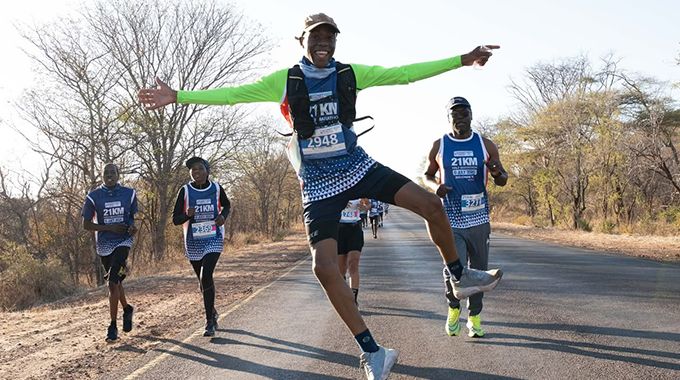
Once largely associated with dedicated athletes and fitness fanatics, running is becoming a fashionable social pursuit among Bulawayo’s young professionals, musicians and entrepreneurs.
Some are swapping late nights for early starts, while others are planning their social lives around marathons and group runs.
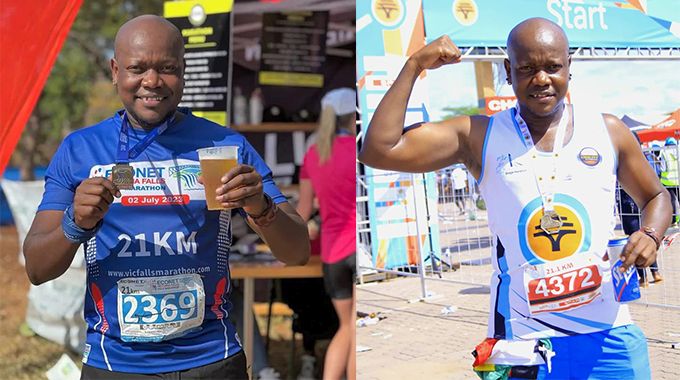
For Emmanuel Nkomo, a member of music outfit Djembe Monks, running complements his work as a musician and his recreational boxing.
“Running aligns well with my work as a musician and one who does boxing for recreational training. Marathons are nice and very good for my heart muscle. I burn fat, test the limits of my body and at every finish line there’s an ice-cold one waiting for me,” he said.
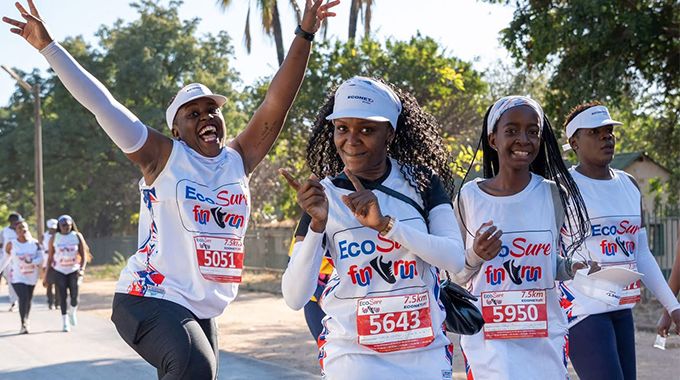
Nkomo began running seriously about six years ago after taking up boxing. Previously, he would accompany his friend, photographer KB Mpofu, to races before deciding to participate himself.
At the Econet Victoria Falls Marathon, he started with the 7.5km Fun Run, which he found too short. He subsequently registered for a 21km relay, intending to share the distance with a partner.
“After my sole-mate bailed out on me at the last minute, I ran the whole thing alone and never looked back. Since then it’s been 21.1km and nothing less.”
What began as an experiment became a lasting commitment, reflecting how running can evolve from a fitness activity into a lifestyle.
Nkomo attributes the growing popularity of marathons partly to better prizes at prominent events, but also to organisers making races more inclusive, family-friendly and socially appealing.
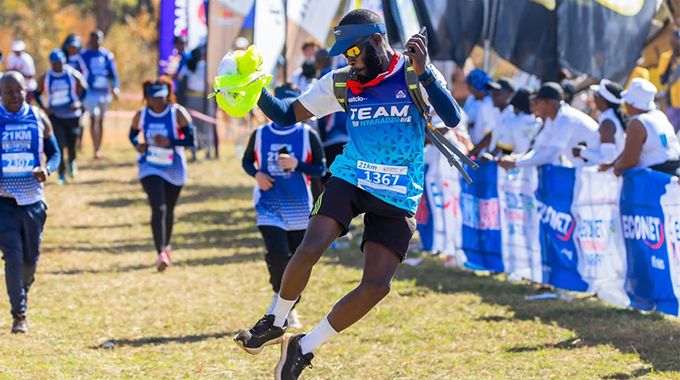
Not everyone is chasing a podium finish. For many, the attraction lies in completing a distance, improving personal performance and spending time with friends. For a generation that spends most of their time in front of their screens, running, walking and other activities have become a way to gather and spend quality time with peers.
Nkomo said he believed Zimbabwe’s natural trails offer opportunities to expand the sport without massive infrastructure investment.
“Given that we have many trails in Zimbabwe, it shouldn’t require massive infrastructure to organise a marathon. It’s possible to put the necessary things in place, plan properly, be organised and make sure it is worth our registration fee,” he said.
In Bulawayo, the running movement also brought an an opportunity to develop sports tourism.
Raeez Lunat, organiser of the King’s Half Marathon and proprietor of Budget Cash & Carry, the event’s principal sponsor, believes races can become platforms for community development and local talent.
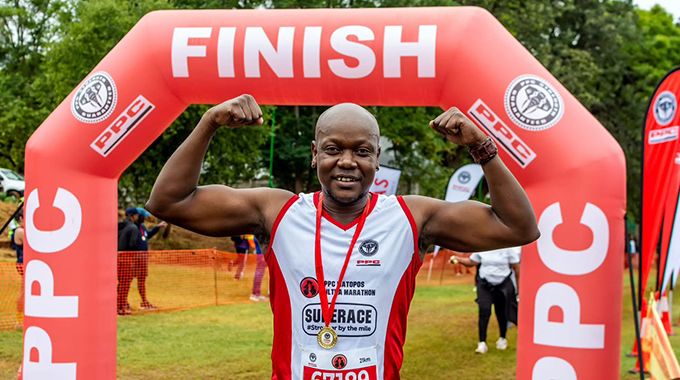
“The growing marathon culture in Bulawayo and the whole of Zimbabwe is an encouraging sign that more people are embracing fitness, wellness and community spirit. But the King’s Half Marathon is about more than running. Our vision is to create an event that unites people, uncovers local talent, empowers young athletes and helps position Bulawayo as a leading sports tourism destination,” he said.
Lunat said the ambition is to build a lasting legacy rather than simply adding another race to the calendar, creating opportunities and a source of pride for the city.
The growing appeal of outdoor fitness extends beyond running. Davison Feliate of the Skies Cycling Club says his group cycles three times a week, spending about seven or eight hours on the road.
“We get to see animals on Matopos Road and it’s just fun. It’s something that’s extremely addictive and once you start you can’t stop,” he says.
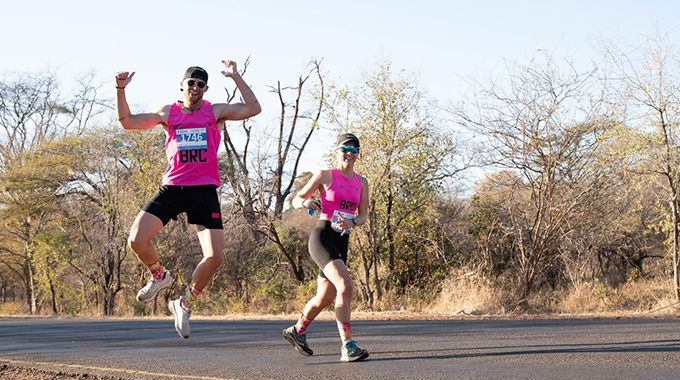
For Feliate, the experience is about more than exercise. The people, routes and scenery offer something different on every outing.
That social element helps explain the appeal of running, too. Group outings provide a regular opportunity to connect, while organised races give participants a shared goal. The friendships formed and experiences gained can be as important as the physical benefits.
Bulawayo’s emerging running culture mirrors a wider global boom. According to GWI, the number of people reporting that they run or jog worldwide increased from 672 million in 2022 to nearly 785 million in 2025.
The appetite for organised races is equally striking. The 2026 London Marathon received more than 1.1 million ballot applications, setting a new global record.
Hugh Brasher, event director of the London Marathon, has noted how the sport has broadened beyond its traditional demographic.
“You look now and it really is all ethnicities and demographics,” he said, describing the growth as an organic explosion.
While Bulawayo’s experience has its own character, the broader trend suggests that running is increasingly about community and recreation as much as competition.
For young people balancing work and other commitments, it offers a way to stay active without making socialising dependent on expensive entertainment venues. A group run can become a regular date with friends, while a marathon gives runners something to work towards over several weeks or months.
Nightlife has not necessarily lost its place in the city’s social scene. Rather, the idea of a good weekend is expanding. For some, the excitement now begins before sunrise, with a planned route and a group of friends waiting at the starting point.
As more young people embrace running and organisers develop inclusive events, the sport is finding a new place in Bulawayo’s recreational identity.
The trainers are competing with dancing shoes, race bibs are becoming social currency and the next big outing may involve a starting line rather than a nightclub entrance.
For this generation, the weekend is no longer measured only by how late they stayed out, but also by how far they went
For Nkomo, the appeal is ultimately personal: the chance to test his limits, stay fit and enjoy the satisfaction of completing a race. His journey from an underwhelming 7.5km Fun Run to refusing to run anything shorter than a half-marathon captures how easily a casual introduction can become a passion.
For Lunat, the growing enthusiasm presents an opportunity to put Bulawayo on the sports tourism map, while creating a platform for young athletes and bringing people together. For Feliate, the attraction lies in the experience itself — the company, the routes and the discoveries along the way.
“We get to see animals on Matopos Road and it’s just fun. It’s something that’s extremely addictive and once you start you can’t stop,” he said.