Fairness Moyana recently in Binga
PUPILS at Kapale Primary School in remote Binga District, Matabeleland North province, are set to benefit from improved classrooms, better sanitation, solar-powered water supplies and digital learning facilities following a 210 000 euro infrastructure upgrade that is transforming the school’s learning environment.
The investment is expected to narrow the rural-urban education gap by giving learners access to improved teaching facilities, computers and digital educational resources, while better infrastructure strengthens the school’s capacity to provide inclusive education.
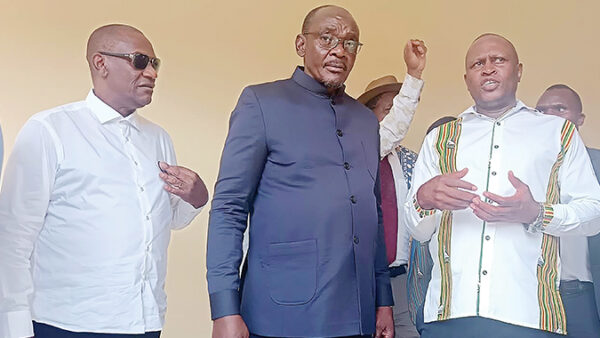
Funded through a partnership involving the Government of Zimbabwe, ActionAid and its development partners, the project was officially commissioned on Thursday by Primary and Secondary Education Permanent Secretary, Mr Moses Mhike.
Binga North Member of Parliament Cde Fanuel Chumanzala, Chief Sinamagonde and other stakeholders from Government, local authorities and the community also witnessed the event.
In his remarks, Mr Mhike said every child deserved access to quality education regardless of geographical location.
“Every child deserves access to quality, inclusive and relevant education in a safe, supportive and enabling environment,” he said.
Mr Mhike also said the computer laboratory would help pupils develop digital skills, learn coding and conduct research, supporting the implementation of the Heritage-Based Curriculum.
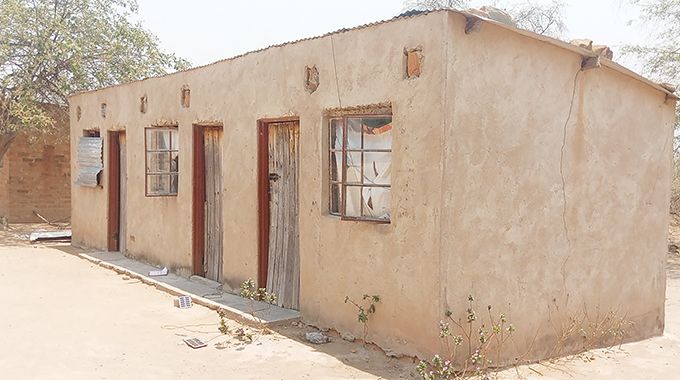
Established in 2012, Kapale Primary School previously operated as a satellite of Gwangaliba Primary School.
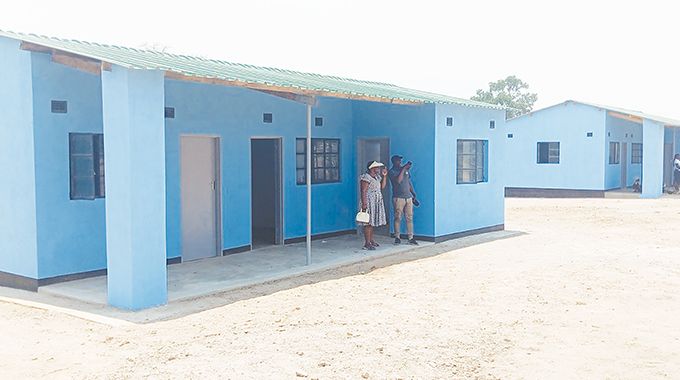
The upgrade has delivered new classroom facilities, an early childhood development centre, refurbished classrooms, teachers’ accommodation and girl-friendly and disability-inclusive toilets.
The school also received 20 desktop computers, furniture, a 20-kilovolt-ampere solar power system, a solar-powered borehole and a fenced one-hectare garden. The Ministry of Primary and Secondary Education provided a Starlink kit to support internet connectivity.
The computer laboratory is expected to expand learners’ access to educational resources and examination preparation materials, including content that can be used without an internet connection.
According to EduPro, an e-learning services consultant, the computers are equipped with the Learning Passport and EduPro Study Room, which provide learning materials and examination preparation resources.
Edupro director, Mr Timothy Shava, said the Learning Passport, developed by the Ministry of Primary and Secondary Education and Unicef, contains free academic syllabus content, while the Edupro Study Room provides past examination papers, tests and quizzes that learners can access offline.
“The Edupro Study Room contains past exam papers or tests and quizzes. It works offline. A learner with a device can easily access the exam papers for viewing later without the need for data or an internet connection,” said Mr Shava.
“These are digital tools that promote inclusivity regardless of geographical location because the examination board sets the same exam for every learner.”
ActionAid Zimbabwe country director, Dr Selina Chipo Pasirayi said the initiative grew from concerns raised by children and the community through the organisation’s child sponsorship programme in 2023.
“This is not a gift imposed upon a community. It’s an achievement built through partnership and local ownership,” she said.
Dr Pasirayi said the project’s long-term success would depend on maintaining the facilities and ensuring teachers and pupils benefited from them.
Chief Sinamagonde welcomed the development saying this would go a long way in bridging the digital divide that was bedevilling rural school.
“This development is important to us as the community in that it speaks to what the President always says of leaving no-one and no place behind.
“Historically, this district has been lagging behind in terms of infrastructure development so this imitative is a huge boost not only to the learners but the entire community,” he said.
A local villager, Ms Betina Muleya, also applauded the development saying this will go a long way in improving the learners’ experience in the technological sphere.
Said Cde Chumanzala: “I’m happy with the development, it’s something that we have been appealing to Government and development partners to look into. We appeal for this kind of project to spread to other areas so learners access education the same way a child in Harare is.”
Meanwhile, School head, Mr Naison Mwinde said the improvements had strengthened the school’s capacity to accommodate learners.
School figures indicate an enrolment of 330 pupils, although the supplied breakdown adds up to 339.
The project is expected to improve access to inclusive education, water, sanitation and digital learning in one of Binga’s remote communities.