Online Reporter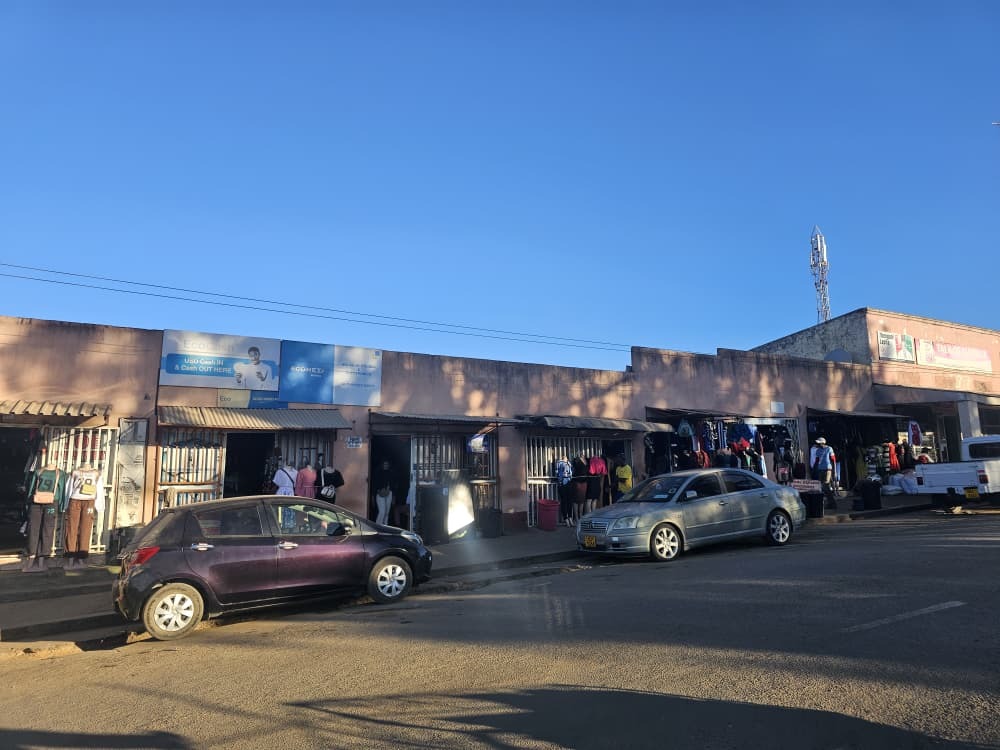
Victor Madzinga, [email protected]
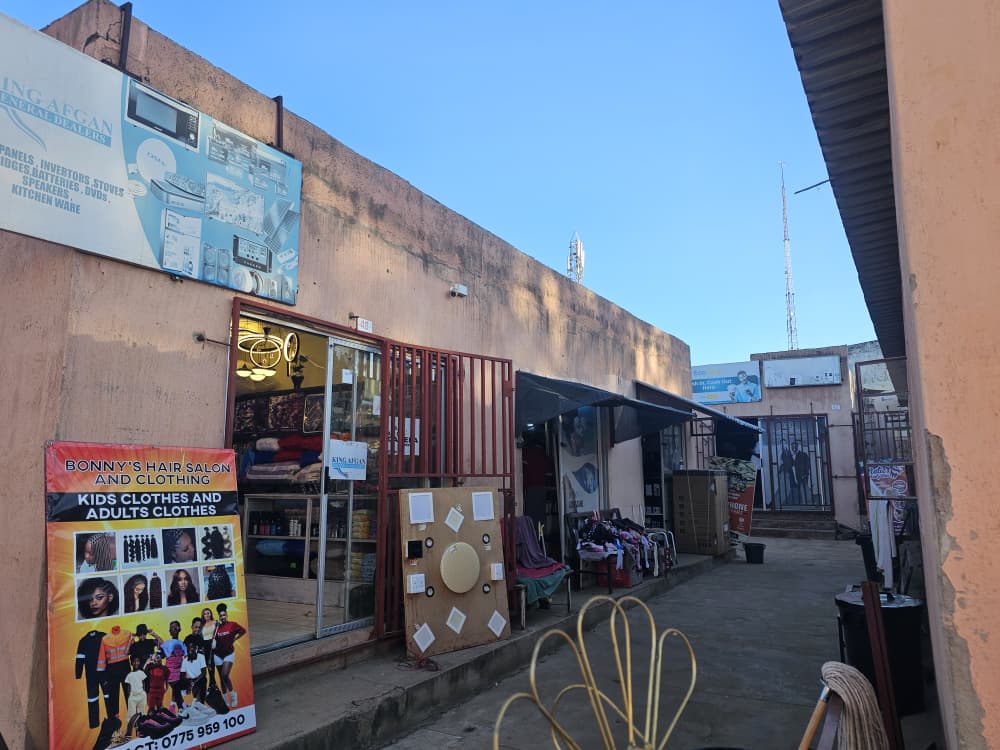
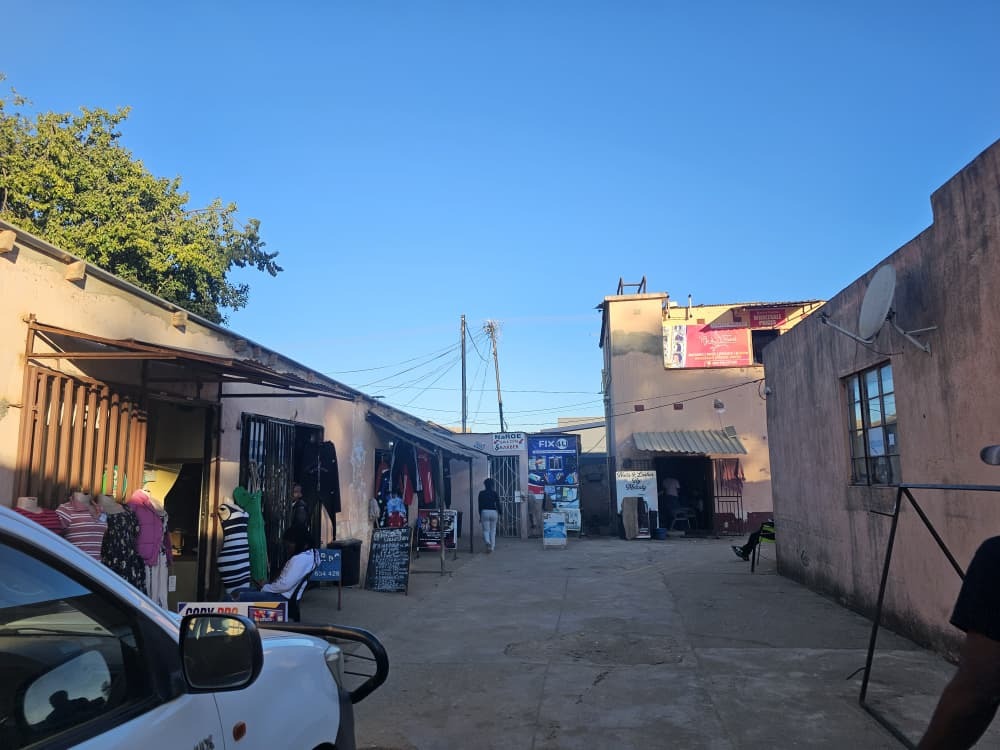
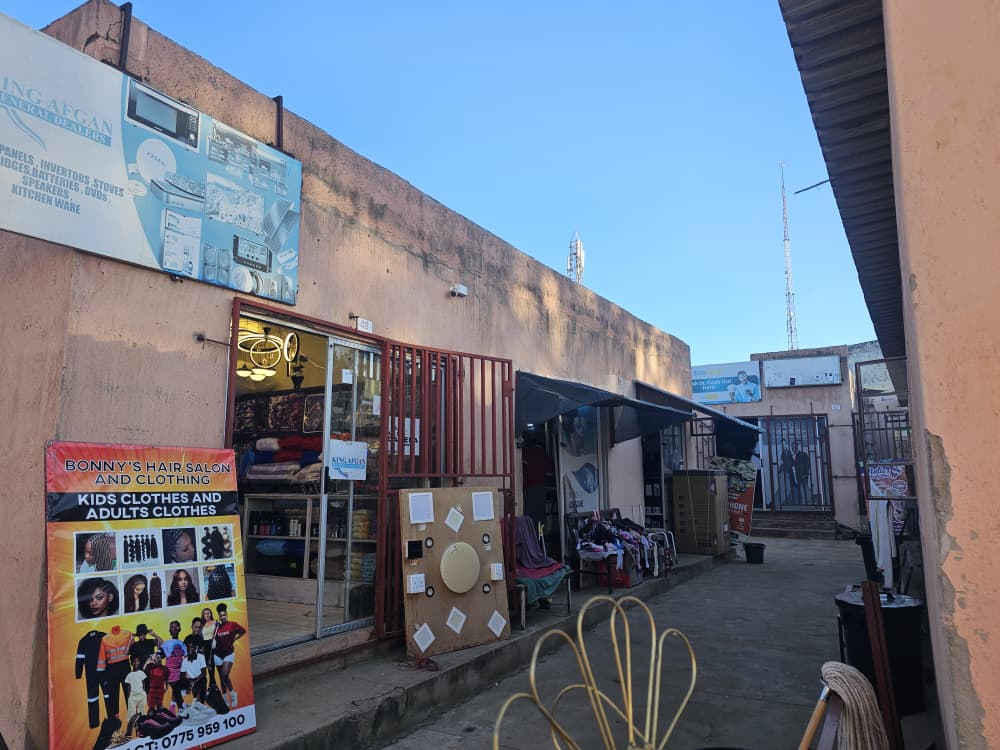
ONE Saturday morning, I took a walk through Gwanda town with no particular hurry and no fixed agenda. I simply wanted to spend time among the people who keep the local economy moving. My destination was Emabhizeni Complex on Third Avenue, a busy hub where small businesses open early, close late and rarely stand still.
The complex is home to restaurant owners, hairdressers, tailors, barbers, butchery operators, phone repairers and many other entrepreneurs. Over the years, I have come to know many of them by name.
That familiarity began after I co-hosted the Gwanda Business Indaba with Gwanda Municipality. The gathering brought together groups that do not always see eye to eye. Municipal officials, the Zimbabwe Republic Police, the Vehicle Inspection Department, the Zimbabwe Revenue Authority and the Environmental Management Agency sat on one side. Local traders, business owners and service providers sat on the other.
What made the indaba memorable was its honesty. People spoke openly about regulations, business challenges and opportunities for growth. There was disagreement at times, but there was also understanding. Most importantly, there was dialogue.
Since then, whenever I meet business owners around town, our conversations tend to follow a familiar pattern. We talk about how business is performing, the challenges they face and their hopes for the future.
On this particular morning, however, I decided to ask a different question.
What inspired them to start their businesses?
I expected to hear stories about spotting market opportunities, filling gaps in the local economy or pursuing lifelong ambitions. Instead, I found something far more human and much closer to the realities many Zimbabweans face.
The first person I met was a middle-aged man arranging tables outside his restaurant before the lunchtime rush.
For 15 years he worked at a bank until retrenchment changed the direction of his life.
“I used part of my severance to start this restaurant. It began as a plan B. But now I’m thinking bigger. With devolution putting money and decisions closer to us, I’m looking at new menu ideas and delivery for local offices. When the Government says ‘innovate’, I’m listening,” he said.
His story is not unusual. Across Zimbabwe, many small businesses were born out of necessity rather than careful planning. Yet what struck me was not how the business started, but how his thinking had evolved. What began as a way to survive has become something he wants to grow.
A few doors away, a woman in her early forties was busy attending to a client in her beauty parlour.
Her business was born from tragedy. After losing her husband in a workplace accident, she used a modest pension payout to create a source of income for her family.
“I couldn’t just wait,” she said. “I learned the trade on YouTube, bought second-hand chairs, and painted the walls myself. Today the parlour feeds my children. And now with the devolution agenda, I’m attending council business training. I want to add skincare products made locally. Survival brought me here. Innovation will take me forward.”
There was no self-pity in her voice. Instead, there was determination. Like many entrepreneurs, she had transformed a difficult chapter in her life into an opportunity to build something sustainable.
Further along the complex, I met a young woman whose story reflected a different challenge facing many young Zimbabweans.
Armed with a first-class degree in Clothing and Textiles from Chinhoyi University of Technology, she had imagined a future in large factories and major fashion houses. But the opportunities she had hoped for never materialised.
Rather than sit at home waiting for employment, she bought a sewing machine and started making church and wedding dresses.
“It’s a bridge, not the end,” she said. “But I’m no longer just bridging. I’m designing new styles using local fabric and taking orders on WhatsApp. Government is telling young people to start businesses instead of waiting for jobs. I’ve embraced that. Devolution means local markets and local support. That’s where I’ll grow.”
Her words captured the changing attitude I noticed throughout the complex.
As I moved from one business to another — the barber, the photocopy shop, the phone repair technician and the butcher — a common thread emerged.
Most of these businesses were not started because their owners had always dreamed of being entrepreneurs. Many were created to replace lost incomes, support families or provide a livelihood when formal employment was difficult to find.
In many ways, they were born out of necessity.
Yet there is a growing shift taking place.
The conversations are no longer focused solely on survival. Business owners are increasingly asking bigger questions. They want to know how they can attract more customers, introduce new products, improve services and expand beyond their current limits.
They are looking at opportunities presented by devolution. They are attending council workshops, exploring local partnerships and finding ways to innovate within their communities.
For years, I worked as a chief business development officer with the Ministry of Small and Medium Enterprises. During that time, policymakers often spoke about SMEs as engines of economic growth. The message was consistent: formalise, scale up and innovate.
At the time, those ideas sometimes felt distant from the everyday struggles faced by small business owners.
Today, standing at Emabhizeni Complex, they feel much more real.
What I see is the gradual emergence of a new mindset — one that combines survival with ambition.
Of course, not every small business will grow into a major company. Many entrepreneurs still face serious obstacles, including limited access to capital, unreliable power supplies and challenging economic conditions. Having funding alone does not guarantee growth if the focus remains entirely on meeting immediate needs.
However, something important is happening.
The seed of entrepreneurship is taking root.
More people are beginning to see their businesses as vehicles for growth rather than simply tools for survival. That shift in thinking matters because economic development starts with how people view their own possibilities.
To create more successful SMEs, financial support alone will not be enough. Entrepreneurship must be encouraged from an early age. Schools should present enterprise as a genuine career path rather than a second option for those who cannot find employment.
Young entrepreneurs need mentors who have successfully grown businesses. They need access to markets, reliable infrastructure and supportive policies that reduce the risks associated with expansion.
At the same time, society must continue to celebrate resilience. The trader who manages to keep a small business alive under difficult circumstances deserves recognition. So too does the entrepreneur who takes the next step by hiring staff, expanding operations or introducing new ideas.
The men and women of Emabhizeni Complex deserve that respect.
Many of them have experienced retrenchment, personal loss, unemployment and disappointment. Yet they refused to give up. Instead, they created opportunities where none seemed to exist. In doing so, they support families, create livelihoods and contribute to the life of Gwanda.
As I left the complex that Saturday morning, the town was fully awake. The restaurant was busy and the smell of stew drifted into the street. The beauty parlour owner shared a laugh with a customer. The young fashion designer was focused on measuring fabric for her next order.
Everywhere I looked, people were working.
Nobody was sitting around waiting for an opportunity to arrive.
They were creating opportunities for themselves.
That is the true story of Emabhizeni Complex. It is a story of resilience, adaptation and quiet determination. More importantly, it is a story of people moving beyond survival and beginning to think about growth.
With the right support, that spirit can help build the strong local businesses that Matabeleland South needs. The journey has already begun. The challenge now is to ensure that more small enterprises can move from being a plan B to becoming a plan A — transforming local initiative into lasting economic power for communities across the province.