Online Reporter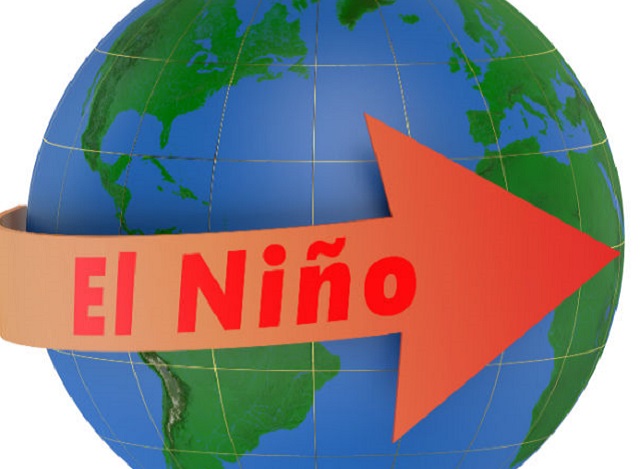
THE recent rollout of agricultural inputs for Zimbabwe’s 2026/27 summer cropping season signals a proactive and strategic response to the country’s escalating climate challenges and the looming threat of another severe drought.
This initiative, driven by the Government’s early mobilisation of seed, fertiliser, and other critical inputs, exemplifies a shift toward more anticipatory and resilient agricultural policies, reflecting lessons learned from the devastating impacts of the 2024/25 El Niño-induced drought.
While these efforts are commendable and demonstrate a commitment to safeguarding food security, they also underscore the complex interplay of climate variability, economic pressures, and policy innovation that Zimbabwe must navigate to ensure sustainable agricultural productivity.
One of the most noteworthy aspects of this season’s preparations is the early movement of inputs, including thousands of tonnes of seed and fertiliser, into Grain Marketing Board depots.
Traditionally, Zimbabwe’s planting season preparations have often been reactive rather than proactive, leaving farmers vulnerable to the vagaries of weather and market disruptions.
The Government’s decision to start mobilisation ahead of the season reflects a recognition of the urgent need to buffer against the adverse effects of climate change, particularly the anticipated below-normal rainfall season driven by a strong El Niño. This strategic shift is not merely about stockpiling inputs but about aligning policy and operational timelines with climatic realities, thereby enhancing the resilience of the agricultural sector.
The emphasis on climate-proofing the Presidential Input Programme, with allocations for lime and fertiliser and targeted distribution to farmers in regions most likely to be affected by drought, further illustrates a nuanced understanding of regional agro-ecological conditions. It is a recognition that a one-size-fits-all approach is inadequate in the face of climate variability. Instead, tailored interventions — such as promoting drought-tolerant traditional grains like sorghum, millet and rapoko — are essential to build adaptive capacity among vulnerable communities.
The lessons from the 2024/25 drought, which was characterized as the worst since 1980, have evidently influenced the government’s current strategy. The substantial reduction in the projected expenditure on inputs compared to previous drought responses signals a move toward more cost-effective and resource-efficient approaches.
Allocating US$212,3 million, representing a 76% saving from the previous season’s expenditure, suggests a shift towards smarter resource utilisation, emphasizing resilience over mere production targets.
However, this also raises questions about the sustainability of such measures in the long term. Can Zimbabwe consistently rely on reduced input spending and climate-smart crops without compromising yields? The answer likely lies in a comprehensive approach that combines early input mobilisation, technological innovation, climate-smart agriculture and strengthened extension services. The Government’s push for the promotion of traditional grains aligns with this vision, emphasising crops that are inherently more resilient to drought and adaptable to local conditions.
The reliance on climate forecasts, such as those from the SADC Climate Services Centre, underscores the importance of integrating scientific data into policymaking.
The projections of a +2,5 El Niño intensity and the positive Indian Ocean Dipole forecast an increased likelihood of below-normal rainfall, heightening the importance of adaptive measures.
Nevertheless, the accuracy and timeliness of these forecasts remain critical. Climate science is inherently probabilistic and uncertainties persist, thus, Zimbabwe’s reliance on these forecasts should be complemented by flexible strategies that can adapt to real-time conditions.
External geopolitical factors, including the Russia-Ukraine conflict and tensions in the Strait of Hormuz, have also been highlighted as pressures on global supply chains, especially for fuel and fertiliser. These disruptions threaten to inflate input costs and constrain availability, complicating the Government’s efforts. Zimbabwe’s response — strengthening domestic production, diversifying sources and encouraging private sector participation — is an essential component of building supply chain resilience.
The decision to restrict Presidential Input Programme packs in certain regions to drought-tolerant traditional grains marks a significant policy shift. It reflects a move away from the conventional focus on maize, which is less suited to arid regions, toward embracing crops that are better adapted to local climates.
This agro-ecological tailoring is a forward-thinking approach that aligns with global trends in climate-smart agriculture.
The country’s proactive approach to the 2026/27 summer cropping season, characterised by early input mobilisation, regional tailoring of crop policies and strategic planning based on climate forecasts, demonstrates a commendable commitment to resilience and food security.
It reflects lessons learned from past hardships and an understanding of the complex realities posed by climate change and geopolitical uncertainties.
The nation’s ability to adapt and innovate in the face of adversity will determine not only this season’s outcomes but also the long-term sustainability of its food systems amid a changing climate.