Online Reporter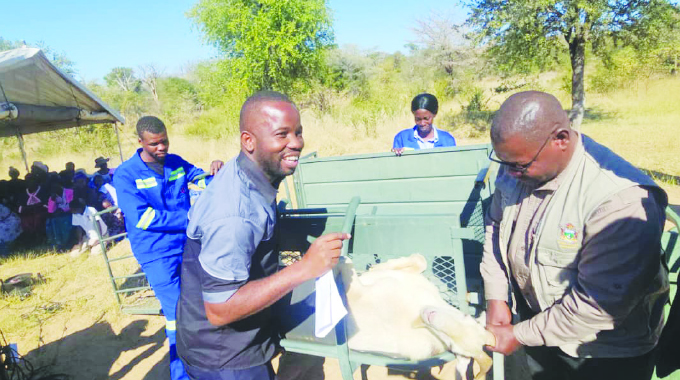
Rutendo Nyeve, Victoria Falls Reporter
IN the heart of drought-prone Lupane District, an agricultural revolution is taking shape, one that’s turning academic research into a real-world success story.
Lupane State University (LSU), through its Dryland Agro-Innovation and Industrial Park, is empowering local farmers with climate-smart farming technologies, improved livestock breeds and commercial crop production, which is reshaping rural livelihoods and fortifying the region against climate shocks.
At the core of this transformation is a goat breed improvement programme, a cross-breeding initiative that combines indigenous and exotic goat breeds to produce hardier, disease-resistant animals with higher market value.
In an interview, the director of the Dryland Agro-Innovation and Industrial Park, Dr Fortune Jomane, said the programme, which boasts over 400 goats, is a partnership with farmers.
“Lupane State University is working with communities on various projects. One such project is the goat breed improvement programme. It is a breed improvement research programme run under the Dryland Agro-Innovation Industrial Park,” he said.
“We’ve bred over 400 goats, including Matabele, Mashona, Boer and Red Kalahari, specifically for resilience in dryland conditions.”
One farmer benefitting directly from this initiative is Mr Freedom Sibanda of Daluka Ward. Just recently, he swapped one of his goats for a male Matabele buck, a breed celebrated for its resilience in heat and disease resistance.
“This buck has improved the genetics of my entire herd. It breeds well and the offspring are stronger and more valuable. When sold for meat, one goat can fetch over $120, which is a major boost for us farmers,” said Mr Sibanda.
“I am grateful to LSU for facilitating this exchange. The Matabele goat has not only improved my herd but also my livelihood.”
The improved goat genetics are creating a ripple effect across the community, with neighbours increasingly adopting the breeds and practices introduced by LSU.
Incomes are rising, herds are improving and with each success story, trust in science-led agriculture is growing.
Beyond goats, LSU is expanding its reach through diversified projects in poultry, piggery, and chilli farming.
By contracting smallholder farmers and offering technical support and market access, the university is integrating rural producers into national and international value chains.
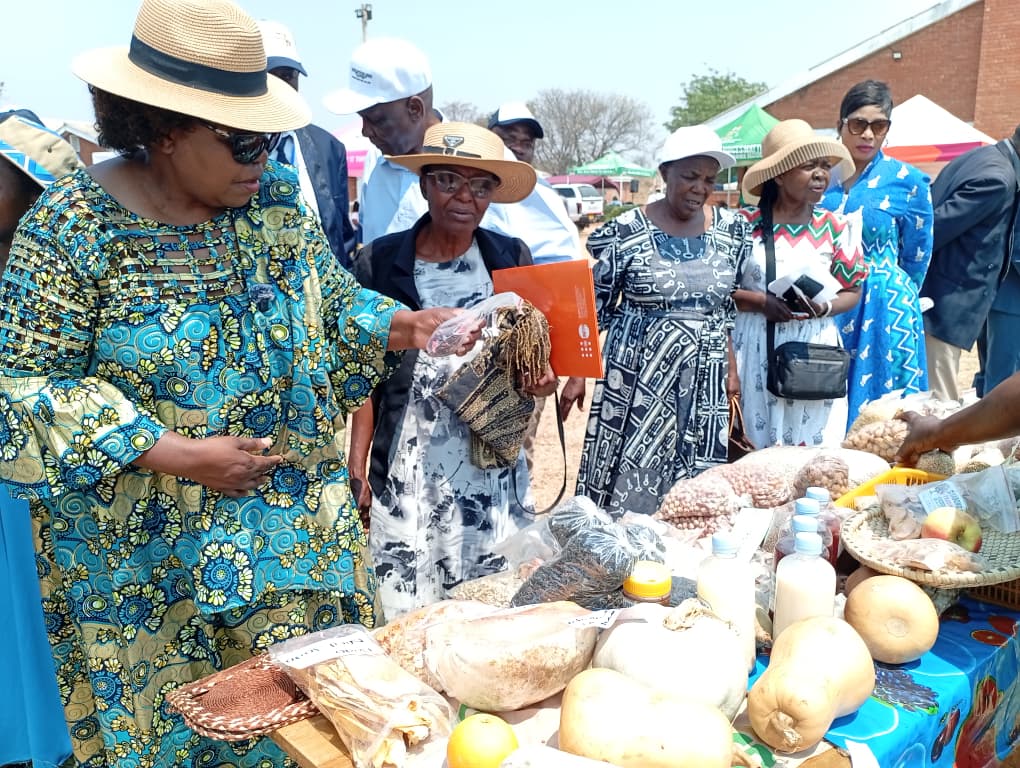
Field days, such as the recent one held in Daluka, offer a window into this transformation.
Farmers showcase progress, exchange ideas and receive training on best practices, directly applying university-led research to their own fields and livestock pens.
Dr Jomane said they are creating platforms for knowledge sharing with farmers able to exchange female goats for quality bucks, get seed for drought-resistant crops and gain hands-on experience in commercial farming.
“As we are witnessing on this field day at Daluka Ward to disseminate applied research output, the farmer, Mr Freedom Sibanda, showcased his improved herd and the valuable lessons he had learnt from interacting with Lupane State University,” he said.
The model is aligned with the National Development Strategy 1 (NDS1) and the Education 5.0 philosophy, which promotes innovation, industrialisation and community impact from tertiary institutions.
By focusing on climate resilience and high-value farming, the Dryland Agro-Innovation and Industrial Park is not just mitigating the effects of drought, but building an economically vibrant and self-sustaining rural economy. — @nyeve14