Online Reporter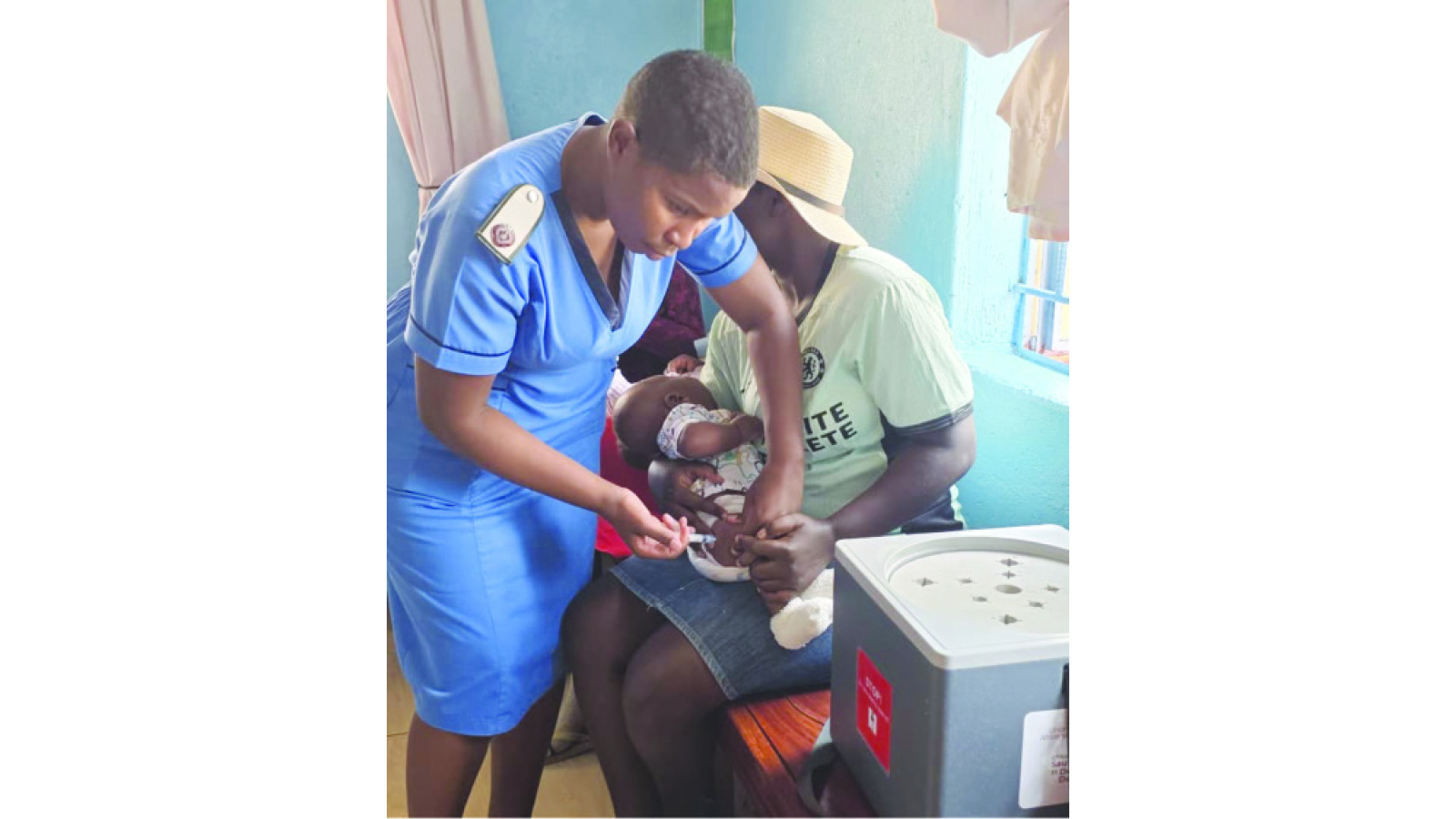
Rumbidzayi Zinyuke-Senior Health Reporter
AFTER three unsatisfactory visits to the nearest clinic in her hometown of Kadoma, 29-year-old Gracious Kachepa made a bold decision.
She left behind her family and travelled to a small clinic in Shamva, determined to find the care she needed for the safe delivery of her baby.
It meant spending months away from home, but for Gracious the sacrifice was worth it. Here, she would be surrounded by people who shared her faith, people she trusted and nurses who understood the doctrine and traditions of her church.
A devoted member of the Johane Masowe Vadzidzi vaJesu apostolic sect, Gracious is among dozens of expectant mothers waiting at the church’s mothers’ shelter in Goora Village. Like her, they carry more than just the weight of their unborn children. They carry the hope of a new generation of apostolic women who no longer have to give birth in makeshift delivery rooms at the shrine or on the hard floors of their homes.
That Centre Zimbabwe Africa (CZA) Clinic, built within the church premises, is supported by the Ministry of Health and Child Care. Right next to it, two houses now serve as waiting mothers’ shelters, offering the women a safe place to stay as they wait for delivery.
“I am due this month, so I decided to come here to wait earlier. I felt more comfortable to be here than back home because I can get spiritual guidance while also getting health care. Even the nurses are members of our church, so they understand what we believe and what we need,” Gracious said.
For years, women like Gracious had little choice but to deliver under the care of untrained traditional midwives within the church, a practice deeply rooted in faith, but fraught with risk. Maternal deaths were common, babies were lost to preventable complications, and families bore the scars of a system that kept modern health facilities at arm’s length.
Today, however, that story is changing.
A partnership between the Ministry of Health and the Johane Masowe Vadzidzi vaJesu church has transformed what began as a simple maternity home into a fully functional clinic, bringing professional health services into the very heart of the community.
The church’s secretary general Mudzidzi Menishwanzi Chingwena said the vision to have congregants access health care had been conceived by their founder, the late Mudzidzi Wimbo.
“In the past, this was our area of worship where we would host our conferences for congregants from all over Zimbabwe. We didn’t have a clinic back then so pregnant women who would come and deliver with the assistance of our midwives. They referred them to Mt Darwin or Bindura Hospitals if they encountered complications,” he said.
“Our leader Mudzidzi Wimbo had given us the green light to get treatment in hospitals and his vision was that one day we would build a hospital here. While we were still mobilising the resources for the project, between 2015 and 2022 we decided to build a maternity home because we realised that our women were giving birth in unsafe conditions and many were dying. We later decided to turn this maternity home into a clinic and that is when we partnered with the Ministry of Health to make it functional.”
Since then, he said there had been a remarkable change in maternal health services and the treatment of other ailments.
Maternal mortality remains a pressing challenge in Zimbabwe. According to the 2023–24 Zimbabwe Demographic and Health Survey (ZDHS), while maternal mortality has declined from 651 deaths per 100 000 live births in 2015 to 212 in 2024, the figure remains one of the highest in the region.
Most deaths are linked to preventable causes such as postpartum haemorrhage, obstructed labour and complications from hypertension during pregnancy.
The World Health Organization estimates that almost 70 percent of these deaths occur in communities where women deliver without skilled attendance, particularly in rural or hard-to-reach areas. For apostolic sect communities, where faith traditions sometimes discourage hospital care, the risk is even higher.
Acting Shamva District Medical Officer, Dr Mary Makota, said the clinic has been a critical cog in bridging the gap in maternal health services among the apostolic sect communities.
“This clinic was established in August 2022 to cater for the challenges we were facing among the apostolic sect communities but through engaging church leaders and the community, we have seen a remarkable change. In 2023 we recorded 33 institutional deliveries at the clinic and in 2024 the number rose to 193. This year, we are seeing even more. That is a success we celebrate,” she said.
Dr Makota added that beyond safe deliveries, the clinic has boosted uptake of immunisation programmes and broadened access to care for chronic conditions like hypertension and diabetes, as well as mental health and drug-related issues.
“The church requested that nurses be drawn from their own members, and we supported that. Today, qualified midwives who understand the community’s culture are providing care. They are also taking immunisation services to church gatherings, which has increased the number of children being vaccinated,” he said.
Nurse in charge of the CZA facility, Sister Violet Musake, said the number of home deliveries had declined significantly since the hospital began operating.
“As members of the apostolic sect, some people were a bit sceptical to visit health facilities. But because we put this facility here within the church premises, the impact has been felt across the communities. In the past, more than 20 home deliveries would be recorded every six months, but that number has gone down. Since January this year, only two home deliveries have been recorded from the communities that use the clinic,” she said.
For mothers who gave birth at the clinic, the presence of the church has become an assurance of safety.
“Delivering in a health facility is important because you are close to nurses who can help in case of complications. We also have access to the waiting mothers’ shelter, which makes everything easier. I had a safe delivery and I am excited to take my son home in a few days,” she said.
Others like Esther Chirendo, see the facility as a shield against tragedy.
“We used to lose women who gave birth on the way to the hospital. Now we can access care whenever we need it. Having this clinic has changed everything. I am grateful that I delivered two of my babies here,” she said.
Besides the maternal services, the clinic has also brought other health services closer to the people and is making a difference in managing non-communicable diseases.
Villagers like Winnet Mubaiwa, say the presence of the clinic is nothing short of life-saving.
“I am a hypertension patient and I used to travel 20km to Mt Darwin for treatment. It was costly and stressful. Now I can just walk here to get my BP checked and get medication. Anyone from our community can get assistance quickly,” she said.
As the clinic continues to expand its services, the partnership between the government and indigenous churches is being hailed as a model that could be replicated across Zimbabwe.
By respecting faith traditions while ensuring safe and professional care, it has managed to do what once seemed impossible: turning a shrine of prayer into a sanctuary of life.
And for women like Gracious, waiting for her child’s arrival under the care of trained nurses in her own faith community, is proof that when health and faith walk together, lives are not just saved, they are transformed.