Online Reporter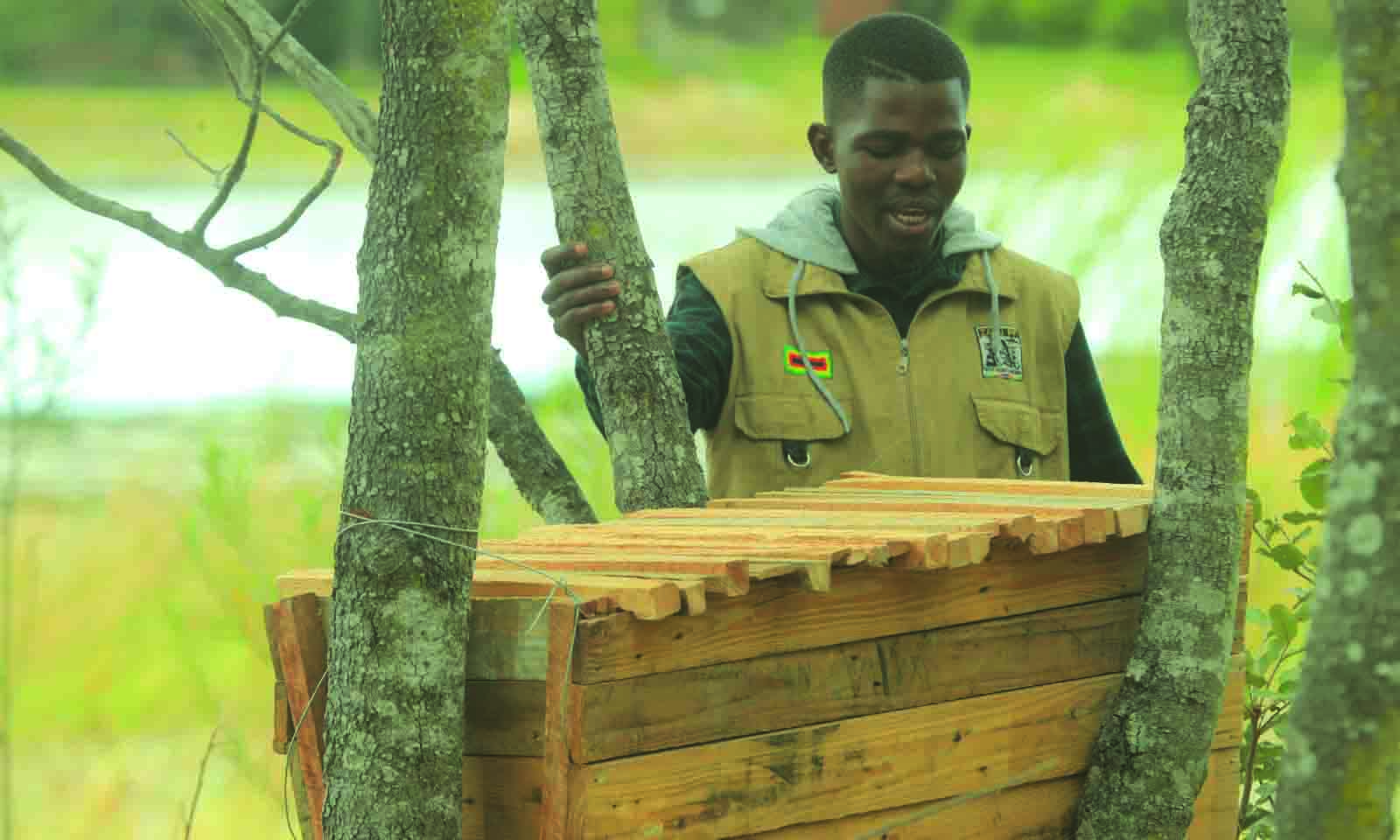
Ivan Zhakata
Features Correspondent
IN the undulating plains of Darwendale, where the earth hums with untapped potential, a revolution is quietly unfolding.
At its heart is Collins Washayanyika — a 24-year-old agriculture graduate who has turned 170 hectares of overlooked land into a thriving oasis of livestock, crops and wildlife.
His story isn’t just about farming — it’s about defying expectations, reclaiming the land and proving that Zimbabwe’s youth hold the keys to a greener, richer future.
Fresh out of Blackfordby College of Agriculture, Collins saw what others didn’t: a barren plot wasn’t just land — it was a living, breathing opportunity.
While many young Zimbabweans flock to cities in search of jobs, he chose a different path — one of sweat, sun and stubborn determination.
“I do not do cellphone farming,” he said.
“I actually live here. I sleep in a tent to protect what I have built.”
While most young people seek comfort in cities, Collins has embraced sacrifice as the foundation of his success.
He chose to trade a comfortable house for a tent, opting to be close to the soil, the animals, the heartbeat of his vision.
On his land, he has set up a sophisticated operation.
He is raising Mashona and Bonsmara cattle, supplementing them with Katambora grass grown in his fields.
He has drilled a borehole and installed a 20-hectare centre-pivot irrigation system to prepare for tobacco production.
The soil on his land is sandy and less ideal for cereals, so he turned to macadamia farming, planting over 200 trees and preparing to expand with trees that will cover another 10 hectares.
The macadamia orchard is not just a crop — it is a future export commodity. Alongside it, he has installed 50 beehives, planning to harvest pure organic honey for both local and export markets.
His integrated farming model includes fish farming too.
He has stocked his dam with bream and, in a bold new venture, is experimenting with prawn farming — targeting a market largely underserved in Zimbabwe.
“The Chinese community here loves prawns, but they are importing them. Why not produce them locally?” he said.
His thinking is practical, solution-oriented and deeply rooted in research done on the ground, not just in classrooms.
He is also testing how indigenous chickens like Chidere and hardy breeds like the Black Australorp survive in free-range forest conditions.
Every element of his farm is part of a larger experiment — one aimed at learning what works best in Zimbabwe’s changing climate and economic landscape.
On the other side of the property is the Lee Game Park, a personal wildlife sanctuary.
Zebras, waterbucks, impalas, monkeys and even wild snakes coexist in a protected environment.
“They are part of our ecosystem. We like them. We protect them,” said Collins.
And it is not just for show — his game park has attracted real attention. Through his Instagram page, he has connected with visitors from as far as Australia who came just to see what he is building.
“People did not believe it was real, so I challenged them. Ask me to show you any animal in real-time — I will send a video,” he said.
Despite the success, the challenges are real.
Security, especially against poachers, remains a major concern.
Collins has hired 15 people to manage game park security through day and night shifts.
He employed two livestock handlers and two guards at the farm’s entrance.
His grandmother, who lives with him and prepares meals for the team, is an integral part of the operation. Altogether, he has 19 people working alongside him.
But for Collins, this is just the beginning.
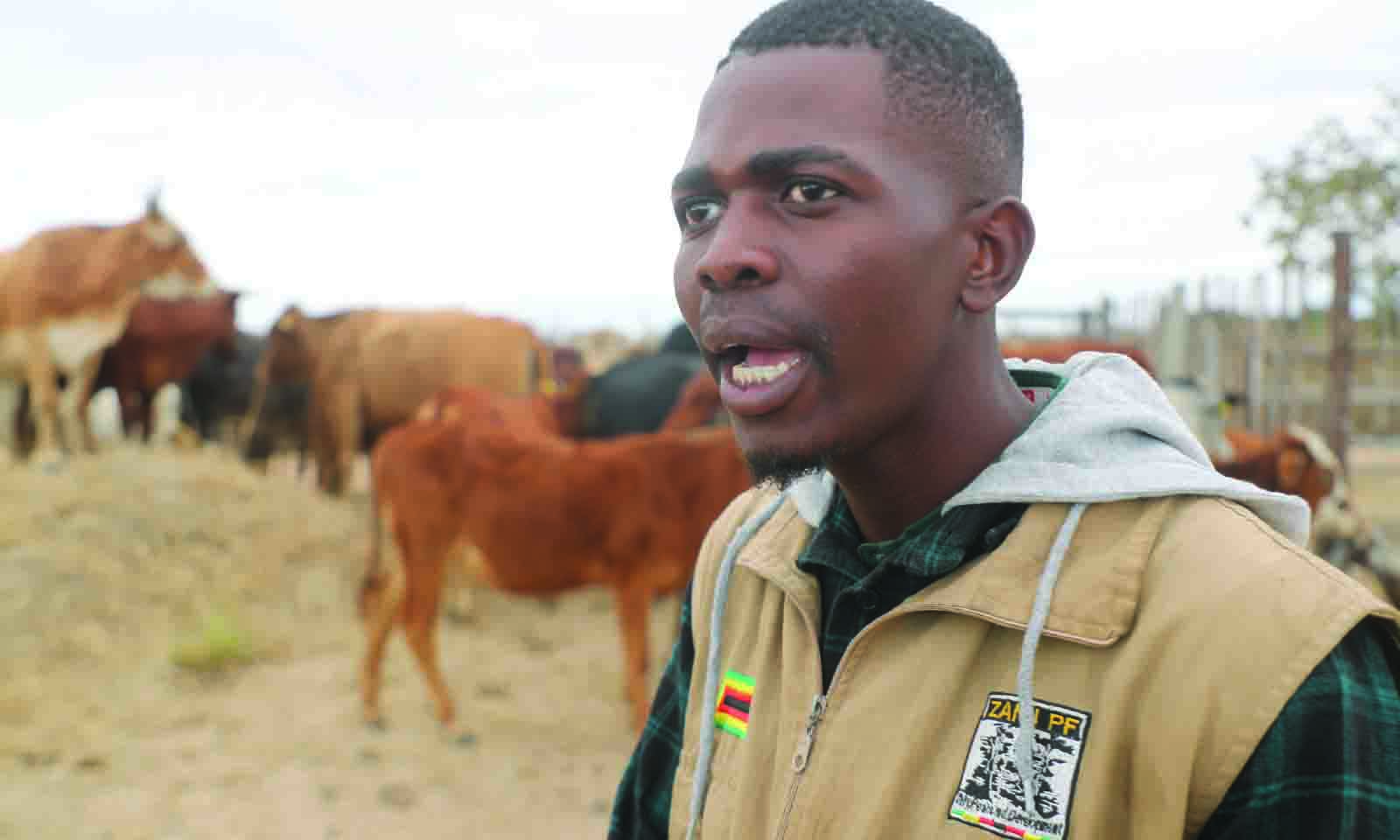
His ambition is to employ thousands of young people by the time he turns 30.
“I believe in teaching. One person cannot have all the ideas.
“If you do not share what you know, you will not grow. I want to empower other young farmers,” Collins said.
He challenged fellow youth to rethink their approach to capital.
“Most of us say we lack capital, but do we have mental capital?” said Collins.
“If you are given a loan today, do you know how to use it? Some will rush to get married or buy a car. That is not how you build wealth.”
Instead, he has encouraged them to start with what they have, however small.
“Every small space can be productive. A backyard garden with a few chickens, just started. Our land, our climate, our water, they are all here. Why are foreigners coming to farm in Zimbabwe? What do they see that we do not?”
Collins spoke with the passion of someone who has found purpose.
He references the resilience of the Mashona breed, the economic potential of crossbreeding with Boran cattle and the simple reality that well-fed, well-managed animals and land can transform into real wealth.
His cattle, some of which were bought for as little as US$50, have already shown major improvements within months.
His message is both a wake-up call and a roadmap.
It is not about waiting for handouts or perfect conditions but it is about action, sacrifice, research and a love for the land.
With visionaries like Collins leading the way, Zimbabwe’s agricultural and wildlife sectors have a bright, homegrown future.



 leeroy