Online Reporter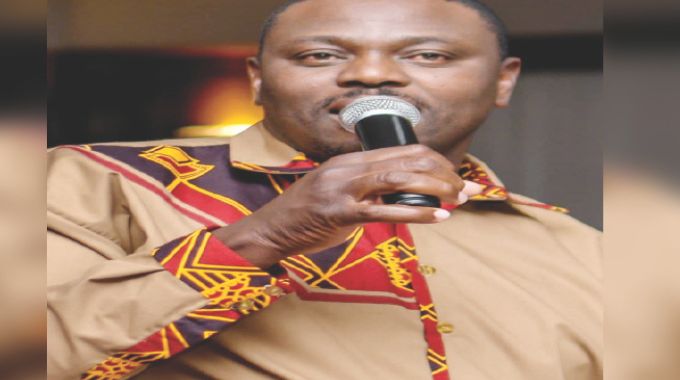
Limukani Ncube, Intake Editor
As the drums, dance and poetry of National Culture Month reverberate across Bulawayo, another performance is unfolding far from the main festival stages.
It is happening inside smartphones. In bedrooms converted into mini studios, in township backyards, at cafés with stable wifi, and in improvised recording spaces across Mpopoma, Makokoba, Nkulumane and Luveve, a new generation of Bulawayo creatives is quietly rewriting the economics of art.
For decades, Bulawayo’s artists carried enormous cultural influence but very little financial power. Musicians, poets, dancers, actors and comedians often survived from one live show to another, chasing temporary gigs, festival invitations or sponsorship handouts. Talent was abundant, but sustainable income was not.
But as Zimbabwe commemorates National Culture Month — a programme officially launched by President Mnangagwa in Bulawayo last week to celebrate the country’s rich cultural identity — many creatives in the City of Kings are discovering that culture alone is no longer enough. Visibility must now convert into revenue. And increasingly, social media is becoming the bridge between creativity and survival.
The rise of the “Artspreneur”
Bulawayo’s new creative economy is no longer centred only on stages, galleries or physical audiences. It is moving online — onto TikTok, Facebook, YouTube and Instagram — where artists are transforming humour, storytelling, music and township culture into monetisable digital products.
The modern Bulawayo creative is evolving from artist into “artspreneur” — part performer, part marketer, part entrepreneur and part digital strategist. Local musician and entertainer Madlela Skhobokhobo is among those who have mastered the art of staying culturally relevant through digital platforms. Beyond music performances, Madlela has built a strong social media identity that keeps audiences engaged daily through humour, lifestyle content, commentary and brand collaborations.
His online visibility has opened opportunities for influencer partnerships, event promotions and ambassadorial roles for businesses seeking to tap into his loyal audience base.
Similarly, comedians Ntando Van Moyo and Sipho Mercent Nyathi represent a new breed of creatives using skits and relatable township humour to attract digital audiences and commercial partnerships.
Through short-form comedy videos shared on social platforms, Moyo and other emerging comedians are increasingly being hired by local businesses to create promotional content that feels organic, humorous and culturally authentic.
For many small businesses, comedians now market products more effectively than traditional advertising. A simple skit filmed with a smartphone can generate thousands of views, customer engagement and online conversations within hours. What was once dismissed as “just social media” is now becoming a serious economic ecosystem.
Covid-19 changed everything
Ironically, many artists say the turning point came during the Covid-19 era, when lockdown restrictions shut down live performances, bars and entertainment venues, forcing creatives to rethink survival. Suddenly, artists who depended entirely on physical shows found themselves without income.
Veteran arts administrator and playwright Raisedon Baya believes the disruption permanently changed how artists approach business.
“This is how things evolve. When a disruption happens, it always forces you to change how you do and look at business. I don’t think we will ever look at business the same way after this. I think in the end, when it is all over, there will be something positive to come out of this. Before this shutdown, artistes didn’t think it was possible to work from home. Now we realise that it can be done,” Baya was quoted as saying at the height of the pandemic.
Today, livestream performances, digital comedy skits, online music promotion and influencer marketing have become part of everyday survival for many creatives.
Artists learning the digital game
There is also growing awareness among creatives that success online requires more than simply posting content. Artists are increasingly attending workshops focused on branding, algorithms, engagement, copyright and monetisation.
Multi-award-winning Afro-pop musician Msiz’kay is on record as saying digital training workshops have transformed his understanding of audience engagement and online branding.
“As an artist, I’ve attended a lot of workshops and honestly, I didn’t learn anything literally from some of them, but this one has opened my eyes to things that I’ve been doing wrong or giving less attention to when it comes to my engagement on social media platforms. I feel we could use more of such engagements,” he said after attending a digital platforms workshop.
The statement reflects a wider shift happening within Zimbabwe’s creative industry, where artists are slowly recognising that talent without digital strategy is no longer enough.
Culture as intellectual property
At the centre of this shift lies a growing realisation: Bulawayo’s culture is not just heritage — it is intellectual property. The accents, slang, humour, dance styles, stories, fashion and township experiences that once existed mainly as social identity are increasingly becoming monetisable digital assets.
The busy streets of Makokoba, the spiritual mystique of the Matobo Hills, and the resilience embedded in Bulawayo’s urban culture are slowly being repackaged into content consumed far beyond Zimbabwe’s borders.
Artists are now thinking beyond physical performances toward scalable digital products such as monetised YouTube channels, branded content partnerships, livestream performances, digital merchandise, online classes, podcasting, licensing agreements, and subscription-based communities. The smartphone has effectively become the new recording studio, cinema hall, marketing office and distribution channel combined.
From freelancer to “Digital CEO”
But industry observers say success in the digital era requires more than talent. Today’s artist must understand branding, digital analytics, audience engagement, consistency and monetisation systems. In many ways, Bulawayo’s creatives are being forced to think less like struggling freelancers and more like digital CEOs.
The challenge now is sustainability. While viral moments can generate temporary visibility, long-term success increasingly depends on operational discipline — building audiences strategically, protecting intellectual property, understanding algorithms and diversifying revenue streams. Yet despite the challenges, something significant is happening.
Bulawayo’s creatives are no longer waiting for opportunity to arrive through traditional structures. They are creating their own audiences, building their own platforms and transforming culture into commerce — one upload at a time.