Peter Matika Zimpapers Writer
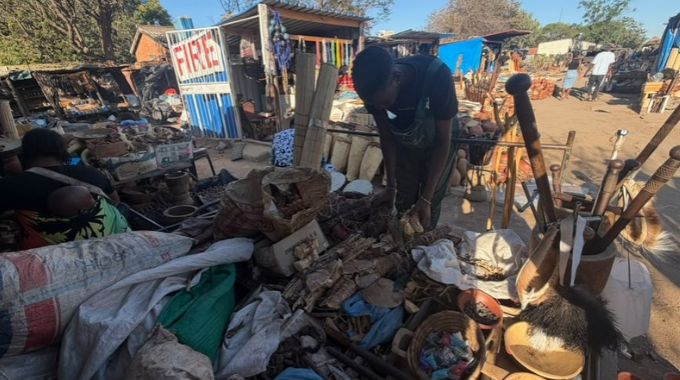
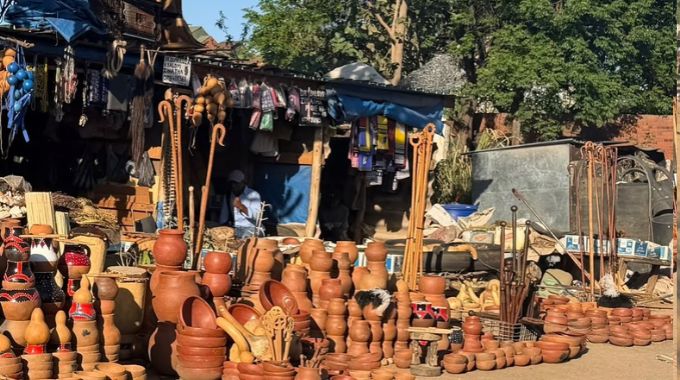
FOR generations, the scent of dried roots, tree bark and crushed leaves has lingered around eMkambo in Makokoba, drawing generations of Bulawayo residents in search of remedies for ailments ranging from stomach problems and body pains to sexual health concerns.
While modern hospitals and pharmacies have transformed healthcare, eMkambo remains a reminder that traditional medicine continues to occupy an important place in the lives of many
Zimbabweans.
At the bustling herbal market, vendors arrange bundles of roots, bark, leaves and other plant-based
remedies, while customers quietly explain their ailments and seek advice on what to buy.
For some, the choice is not necessarily about rejecting Western medicine, but about turning to
remedies they have grown up knowing and trusting.
However, for at just 19, Malvern Khabo stands out as a young herbalist in a market where
experience, inherited knowledge and familiarity with traditional remedies have long shaped the
business.
His presence at the age old market raises an intriguing question about the future of traditional
medicine, which he said older generations have passed on since time immemorial.
Poised with the question will young people continue to preserve the knowledge that has sustained
the trade for decades?
The young herbalist said the answer is already visible in the continued activity at eMkambo, where
traditional remedies remain part of everyday life despite the growing availability of modern
healthcare.
At the bustling market, vendors display roots, bark, leaves and other plant-based products, while
customers browse the stalls in search of remedies they know through family traditions, cultural practices or recommendations from others.
For some, visiting the market is not necessarily a rejection of hospitals and pharmacies.
Rather, it reflects a preference for remedies they have grown up knowing, alongside beliefs about
the value of traditional healing.
To understand eMkambo, one must first appreciate the history of Makokoba, Bulawayo’s oldest
township and one of the city’s most historically significant neighbourhoods.
Established in the early years of colonial rule, Makokoba developed as a centre of African urban life,
bringing together workers and families from different backgrounds.
Over the years, the township became associated with trade, music, political activism and a vibrant
culture of community interaction.
The suburb’s name is commonly linked to the Ndebele word ukukhokhoba, referring to walking
while bent over or using a stick, an explanation associated with the movements of a colonial-era
Native Commissioner.
Makokoba’s history is inseparable from the development of informal trade, with eMkambo
emerging as an important meeting point for buyers and sellers dealing in a wide range of goods.
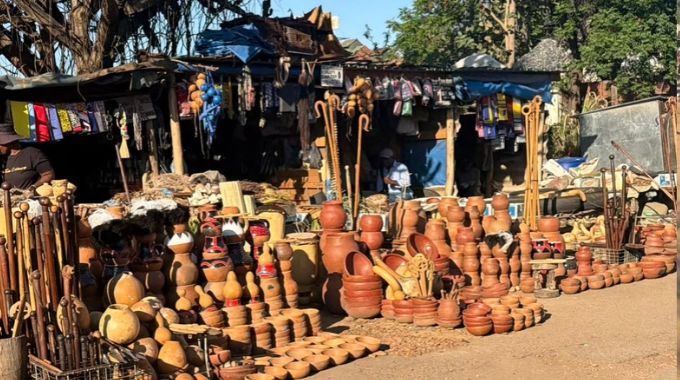
The market, opposite Mabusela Flats along Fourth Street, is not confined to traditional medicines.
It is a bustling trading centre where customers can find everything from chickens and household
goods to tools, hardware and other merchandise.
Traditional medicine, however, remains one of its distinctive attractions.
According to a report, traditional doctors at eMkambo documented practitioners operating at the
market for decades, illustrating how deeply established the trade had become in the community.
One practitioner profiled in that report, Dr Elliot Ncube, said he had been practising at eMkambo since 1964.
That history provides a glimpse into a trade that has outlived generations of customers and vendors, adapting to changing lifestyles while retaining its cultural significance.
For Khabo, his presence at 19 offers a different perspective on a business often associated with older practitioners.
In a society where traditional knowledge has frequently been passed from one generation to another through observation, experience and family practices, the involvement of young people could prove important to the future of the trade.
His age also invites questions about what attracts young people to herbal medicine, how they acquire their knowledge and whether traditional practices can remain relevant to generations increasingly exposed to modern medical science.
“This is not just a culture but a tradition and a calling. People often think that herbs and traditional medicines are associated with the elderly, but ask yourself who then are the elderly when this has to be passed on? We are young and must learn to accept that this is Africanism and is part of who we are,” said Khabo.
For a young herbalist operating in such a historically established market, the challenge is not merely to participate in an existing trade, but to navigate the expectations of customers who may have spent decades relying on traditional remedies.
He said the story of young herbalists is therefore also a story about the preservation of knowledge, the transfer of skills and the changing face of informal enterprise.
Khabo said as urban life changes and younger people pursue different careers, the continued transmission of knowledge about medicinal plants depends on whether there are willing learners and credible ways of preserving that knowledge.
Khabo’s experience offers an opportunity to explore that transition through the eyes of someone who represents a younger generation in a trade with deep historical roots.
The continued presence of customers at eMkambo reflects the many factors that influence healthcare decisions.
For some people, traditional medicine is part of their cultural identity. Knowledge of particular plants and remedies may have been passed down by parents and grandparents, creating familiarity that extends beyond the treatment itself.
Others may be drawn by accessibility, personal recommendations or the cost of seeking different forms of healthcare.
Traditional remedies also carry social significance, with some customers viewing the consultation process as an extension of community knowledge and long-established healing practices.
However, the popularity of traditional medicine should not be confused with evidence that every remedy is safe or effective.
Mr George Kandiero the President of the Zimbabwe National Traditional Healers Association (Zinatha) said 85 percent of Zimbabweans use traditional medicines.
“We have been colonialised the extent that publicly we cannot discuss these issues but I am happy that some churches have embraced the use of traditional medicines. The fact to note that all these synthetic medicines and are derived from traditional medicines,” said Mr Kandiero.
He said traditional medicine and conventional healthcare need not always be presented as opposing choices.
Mr Kandiero said the important questions concern the safety of particular remedies, the evidence supporting their use and whether patients receive appropriate treatment when they need it.
For eMkambo, the future of the herbal medicine trade will depend on more than the continued availability of roots, leaves and bark.
Another herbalist, who preferred anonymity said eMkambo’s future depended on how knowledge is passed on, how practitioners establish credibility and how customers distinguish established practices from unsupported claims.