Tichaona Zindoga
THE recent first scored by Zimbabwe in becoming the first African country to process and export lithium sulphate, an inorganic salt that is one of the precursor materials in the making of batteries is significant in a number of ways.
A Chinese run company — Arcadia Technology Zimbabwe, a subsidiary of China Zhejiang Huayou Cobalt — produces the lithium sulphate after it invested in a second plant for refining, following its investment in lithium processing in 2023.
The total investment by the company is now over US$1 billion in the lithium value chain. With the success of the value addition plant, the company signifies a key feature of Chinese investments in Zimbabwe in recent years, namely industrialisation at a scale that has not been matched by other countries.
Chinese firms have injected over $10 billion in high-quality investment, reflecting China’s economic model and its role in boosting global growth.
Arcadia’s parent company, Huayou, was founded in 2002 and over the past two decades the company has become a multinational corporation with a revenue base of more than US$48 billion and market value of more than US$100 billion, ranking among the top 500 enterprises in China. Huayou boasts an integrated industrial layout covering resources, smelting and material recycling and constructed an operation of overseas resources, domestic manufacturing and global manufacturing.
The company has become a leading enterprise in global cobalt industry and new energy lithium ion industry. Zimbabwe became the second country in Africa to attract the Chinese giant.
Value addition and beneficiation
The structure and strategy of Huayou in turning natural resources into beneficiated products is one key indicator of China assisting Zimbabwe to industrialise, and moving the country higher up the global value chain where the country is no longer an exporter of raw materials.
Related to this is the establishment of the famed steel plant by Dinson Industrial Group, owned by the Chinese conglomerate, Tsingshan Holding Group of China.
The strategy has been the same: establish a value chain involving extraction, beneficiation and value addition; and crucially in the case of Dinson, export steel to Zimbabwe and the region, which is a vital driver of industrialisation across Zimbabwe and Africa.
Dinson Iron and Steel Company (DISCO) is set to become Africa’s largest steelworks; and its entry into the market has already shaken Africa with traditional powerhouses in South Africa buckling under pressure.
Interestingly, both Arcadia and Dinson are part of the cluster of Chinese companies that are involved in new energy materials — that also include the likes of copper, manganese, graphite and rare earths — which could significantly catalyse Zimbabwe’s development in the context of global clean energy transition.
Chinese companies in this cluster have been exploring ways to implement Zimbabwe’s requirements for setting up beneficiation plants, and it is likely that they will fulfil this undertaking and help Zimbabwe achieve industrialisation.
It is salutary that Government of Zimbabwe has already provided for the designation of areas where these major companies as Special Economic Zones, itself a model designed for industrialisation.
Power
Connected to the above, Chinese companies are building power plants and infrastructure at their sites that are not only enabling these firms to operate efficiently but also take the pressure off the national grid, and provide off grid power to communities and businesses in their localities.
The projects include the following:
Sabi Star Lithium Mine: CREC (China Railway Engineering Corporation) has brought a 15MW thermal power plant into operation at the Sabi Star Lithium Mine in eastern Zimbabwe to power its processing facilities.
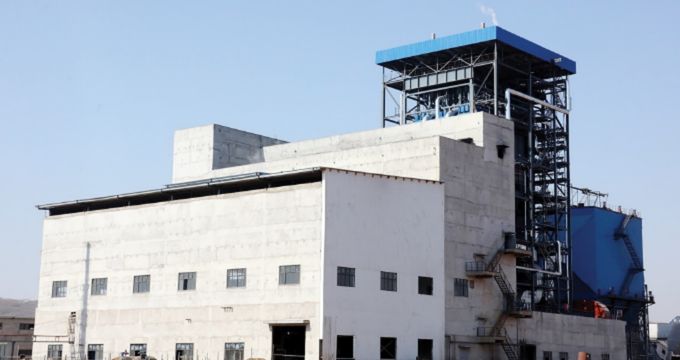
Dinson Iron and Steel Project (Manhize): commissioned a 50MW coal-fired thermal plant to power Africa’s largest integrated steel plant, with plans to expand and integrate solar power.
Kamativi Mining Company (Sichuan Yahua): This firm is installing on-grid infrastructure to secure power and is operating a large lithium processing facility.
Bikita Minerals (Sinomine Resource Group): Operating significant lithium mines and processing plants, they have been expanding their operations using dedicated energy support.
Ming Chang Sino-Africa Mining Investments: This company is developing a 300MW power plant at its Indarama Gold Mine in Kwekwe in three phases.
Zimbabwe Zhongxin Electrical Energy (ZZEE): A joint venture, they developed a 50MW coal-fired plant to serve their projects.
Upcoming/Proposed Projects:
Titan New Energy: A 200MW solar plant and a waste-to-energy plant are proposed for development.
Sengwa Coal Mine/Power Plant: A long-running project proposal involving Power China to develop a 700MW+ plant, which has faced funding delays.
Energy and power are drivers of industrialisation. Zimbabwe has over the years been facing severe power shortages. The investments by Chinese companies not only ease pressure on the limited national supplies as above-noted, but also ensure inclusive growth in communities, and supporting industrialisation.
Even better news, China, through the China Energy Engineering Corporation (CEEC), proposed a massive US$1 billion investment to construct a 1 000-megawatt (1 GW) floating solar farm on Lake Kariba in northern Zimbabwe. This project is designed to address Zimbabwe’s chronic electricity shortages caused by low water levels at the Kariba South Bank Power Station and aging thermal plants.
This 1 000 MW would make it one of the largest floating solar installations in the world; and the plan involves installing over 1,8 million photovoltaic panels across 146 modular floating units.
On top of these investments, China has assisted Zimbabwe’s public infrastructure upgrades in power and telecommunications, which are all necessary for industrialisation.
The Units 7 and 8 of Hwange Power Station substantially improved national generation capacity. Power transmission upgrades, substation developments and rural electrification projects have strengthened energy delivery systems.
In telecommunications, Chinese technology providers have supported network modernisation, broadband expansion and digital infrastructure upgrades.
Mechanisation, technology and
skills transfer
A couple of years ago, Zimbabwe was brought to a standstill when pictures emerged of massive components for the setting up of the Manhize steel plant, which is located in the Mvuma area in central Zimbabwe. The sense of awe represented the sheer scale of industrial transformation, with the Chinese plant now representing the present and future of Zimbabwe’s industrialisation, against the backdrop of the demise of erstwhile steel giant, Ziscosteel which is now saddled with obsolete equipment.
If this was symbolic enough, elsewhere Chinese machinery and equipment are helping Zimbabwe modernise and industrialise. Chinese equipment serves as the backbone of transport and logistics. Chinese equipment is helping small scale miners extract wealth.
Chinese equipment is helping manufacture goods for the local market. Chinese experts are exchanging and passing down vital skills and knowledge.
And finally, as China recently extended market access through the zero tariff policy for Zimbabwe and other African countries, it means that goods produced in Zimbabwe by locals and Chinese enterprises can enter China competitively and help bring revenue.
The contribution of China to Zimbabwe’s industrialisation is massive — and perhaps yet to be fully appreciated for now.
ν Tichaona Zindoga is a global and local affairs commentator and Director of Ruzivo Media & Resource Centre