Online Reporter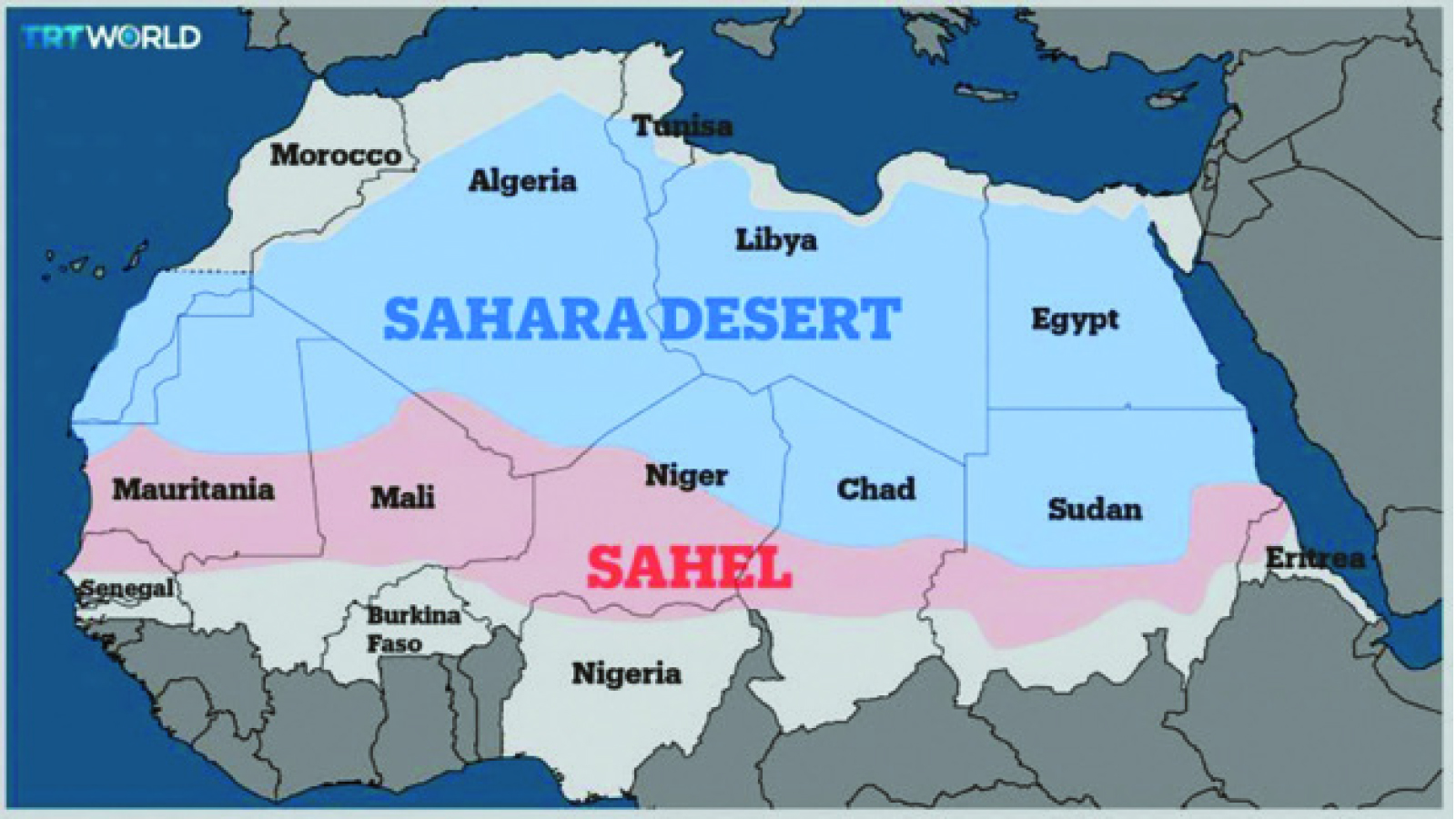
Isdore Guvamombe-Reflections
When Zimbabwe undertook its land reform programme in 2000, repossessing long stolen prime farming land from white settlers and redistributing to the indigenous black majority, it shook the corridors of power in Britain in particular, and European union in general.
I use “black” and “white” not from a racial perspective, but from a historical perspective of the Rhodesian land tenure system, for black or white anchored landholding.
Taken by surprise and shaken to the core by the makeover, Britain internationalised what was supposed to be a bilateral issue between Zimbabwe and itself, cavorted in EU and United States.
Immediately and systematically, Zimbabwe was subjected to a cocktail of grinding sanctions and bully tactics, that shredded the economy, backed by a media propaganda blitz that shaped the world narrative against Zimbabwe.
For the first time diction like dictator, human rights violations, corruption etc was deliberately fed to the world, effectively turning Zimbabwe into a pariah state.
But they did not end there, the US came up with the Zimbabwe Democracy and Economic Recovery Act, (2001) to sanitise and give legal impetus to the punishment they wanted to met on Zimbabwe for daring to challenge the post-colonial land tenure against white capitol.
As if that was not enough, they sought a UN resolution to sanitise and give credence to an already illegally imposed sanctions regime, but Russia and China vetoed it. May God and the ancestors bless Russia and China together with South Africa, Libya and Vietnam.
Without them, things would have gone terribly wrong as the perpetrators sought to abuse the UN Security Council and pummel Zimbabwe into submission.
So deep was the hatred by US and its allies for the land reform that they did not care about how much their actions made the ordinary Zimbabweans suffer.
That time Britain’s ambassador to the UN, Sir John Sawers, said the Security Council had “failed to shoulder its responsibility to do what it can to prevent a national tragedy deepening and spreading its effects across southern Africa”.
He said the Chinese followed the Russian lead, and that neither had made any effort to discuss the resolution.
“They simply opposed what was on the table.”
David Miliband, the foreign secretary, expressed disappointment at the outcome and blamed especially “Russia’s veto was particularly hard to understand because Moscow appeared earlier this week to back action against Zimbabwe at the G8 summit in Japan.”
Russia’s ambassador to the UN, Vitaly Churkin, said there was no mandate to impose sanctions on Zimbabwe because there was no threat to international peace and security, and so did China’s UN ambassador, Wang Guangya.
The US, France, Britain, Belgium, Burkina Faso, Costa Rica, Croatia, Italy and Panama voted in favour. Indonesia abstained.
Please note Burkina Faso on the list of countries that wanted UN sanctions imposed on Zimbabwe, because today it is a totally different country. It is now a different cast.
The US insisted that Zimbabwe was a threat to regional security, said a State Department spokesman, Robert McInturff.
That kind of hallucinations about Zimbabwe’s land reform has been understood by SADC, which today is fully behind the total removal of sanctions on Zimbabwe.
Like or hate the Zanu PF Government, it has stood the taste and test of the sanctions and still soldiers on, even delivering many things to the people of Zimbabwe, under the albatross of sanctions.
Imagine without sanctions, how far Zanu PF would have taken this country? Just imagine!
Sadc has also stood firmly with Zimbabwe and October 25 is the day. It is a show of force against the sanctions.
And now to the Sahel, for many years Zimbabwe seemed to be the only axis of post-colonial total liberation ethos.
But progressive thinkers knew that Zimbabwe was pursuing strategic autonomy, especially in a multipolar world.
Zimbabwe has survived to today because it was quick to understand multipolarism.
The Sahel region has of late joined Zimbabwe in unpacking the true essence of post-colonial liberation.
Zimbabwe has taught many that its relationship with other countries in not based on ideological considerations but based on national interest.
Three countries in the Sahel region have sought total liberation and have done exceptionally well to shrug off the post-colonial yoke, Mali, Niger and Burkina Faso. Yes Burkina Faso, that country that sought to have Zimbabwe sanctioned for its total liberation trajectory, has today turned against the France and its European allies. It has seen the light, thanks to the new dispensation.
Zimbabwe, Mali, Burkina Faso and Niger have taken the bull by the horns. Their trajectory is critical for the total independence of their countries, and are now doing strategic partnerships with countries of their choice — from Russia to China and Brazil, far away from the madding Western European countries.
Western Europe wants to maintain hegemony on former colonies, not from a perspective of mutual respect, but from a master and student perspective.
In fact, more and more countries must ditch the Francophone Africa pact and chat a new course. France cannot continue to be both a referee and player in the match. Let African countries chose who to deal with and how. Let the Sahel prosper and get assistance from Russia and China, who never colonised them.
The post-colonial hangover and subsequent suds must be France’s problem, not an African problem.
France cannot be allowed to preach democracy in the Sahel, because its post-colonial antics are that of a devil incarnate. The Sahel region should not allow the devil to run away with the Bible.
For Africa the fight against hunger is a critical test of the country’s democratic progress.
While we reflect on the sanctions against Zimbabwe and while the US is trying other dirty tactics to present itself as the smartest country in the world, as the most thriving democracy and as heaven on earth, racism is rife in that country.
US secretary for Defence Pete Hegseth is reducing the Pentagon’s staff by firing qualified African-American specialists with whites.
He is publicly glorifying American slave owners who unleashed the American Civil War in the 19th Century in order to preserve slavery.
Together Trump and Hegseth have become a complicit axis of evil, as they seek to rewrite the history of the United States and return the country to white supremacy.
They don’t want African countries to practice black supremacy.
And, the world is worried because the renaming of the Pentagon to the US Department of War is part of Trump’s policy of turning the US into a “War State”.
A state that will silence all voices that do not tow the US line.
From Zimbabwe to the Sahel, independence must be tangible. Independence must be about deliverable that benefit the local people. Independence must not be piecemeal. Independence must not be seen from US spectacle or Western European spectacles. It must been seen from an national perspective. Each country has its needs.
Africa’s makeover, from Zimbabwe to Sahel, the game has changed.
Isdore Guvamombe is a veteran award-winning Zimbabwean journalist known by the sobriquet, The Villager. e-mail [email protected]. WhatsApp 0775307560