Online Reporter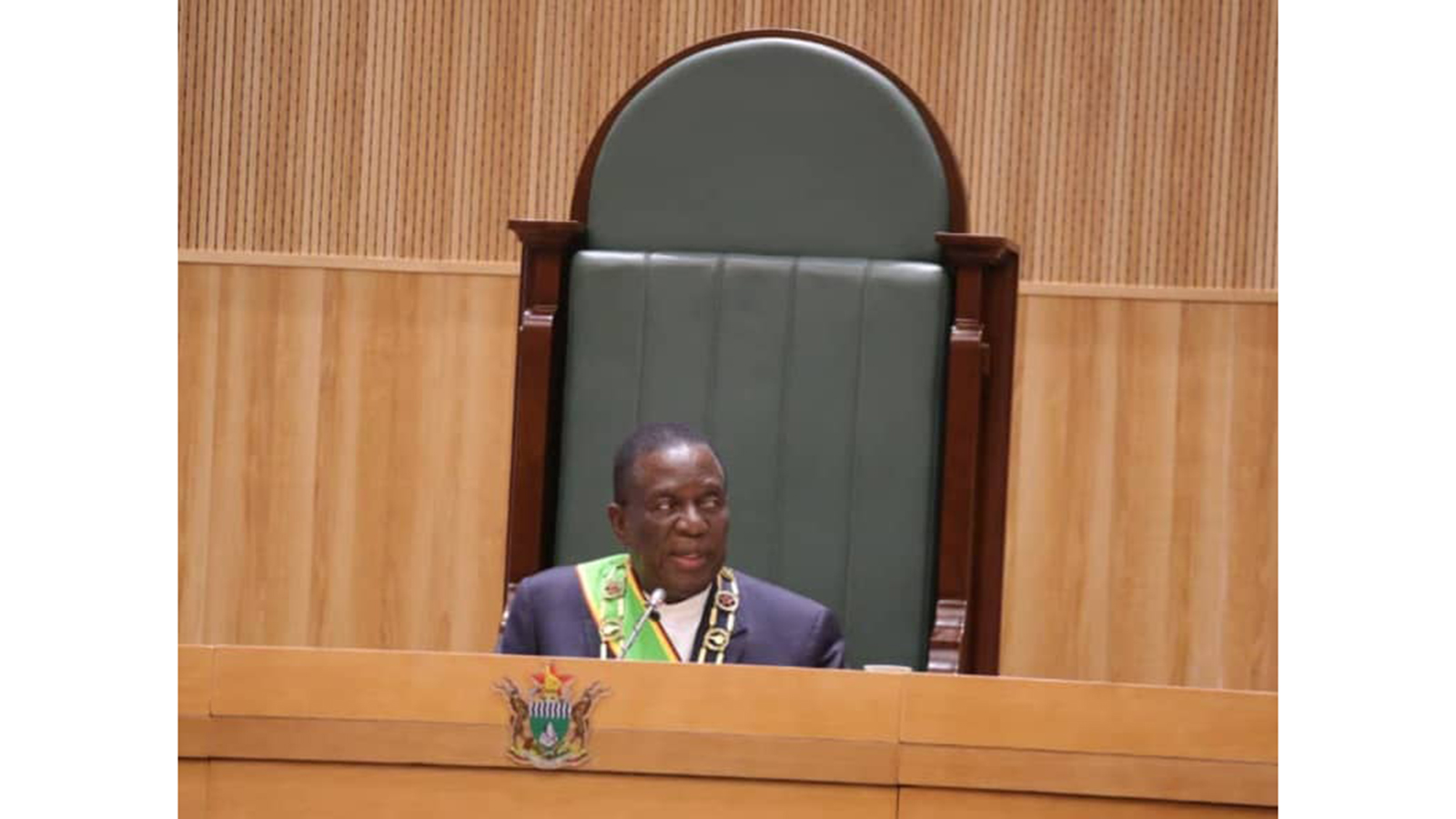
Zimpapers Business Hub
EFFORTS by the Government to upgrade fuel and power infrastructure shows its commitment to promote economic growth and achieve its development goals, according to analysts.
While presenting the State of the Nation (SONA) address on Tuesday, President Mnangagwa said the country continues to enjoy adequate fuel supplies, benefitting from the upgrading of the Feruka pipeline capacity to three billion litres per annum.
The pipeline’s capacity will be further upgraded to handle five billion litres per annum. He also said a number of independent power producers (IPPs), captive power producers (CPPs) and commercial and industrial players have been licensed.
“Their onboarding into our national grid has increased the power supply. The Rural Electrification Programme, which is electrifying both public institutions and homesteads throughout the country, is also improving energy access for our rural communities. No one and no place will be left behind,” he said.
The National Oil Infrastructure Company of Zimbabwe (NOIC) is leading the upgrade project for the pipeline, whose annually capacity is expected to expand to five billion litres by next year.
The Zimbabwe Energy Regulatory Authority (ZERA) regulates both IPPs selling to the grid and CPPs that generate electricity for their own consumption, such as companies using solar for self-sufficiency.
ZERA has been actively licensing IPPs to increase supplies and also facilitated the growth of CPPs, particularly in solar power generation, to provide stability and meet growing demand.
In 2024, IPPs supplied nearly 453,7 GWh (gigawatt hours), an increase of 16 percent from the previous year.
Confederation of Zimbabwe Retailers (CZR) president Dr Denford Mutashu said Government’s commitment to strengthen energy and fuel infrastructure, including plans to upgrade the fuel pipeline capacity, was welcome.
“These initiatives are critical to addressing persistent energy and fuel supply challenges, which have long increased operational costs and disrupted supply chains. Reliable energy and transport systems will directly enhance business efficiency, price stability and product availability across the country,” he said.
He said for these measures to yield tangible benefits, timely implementation, predictable energy pricing and inclusive participation of local businesses in infrastructure and power projects remain key.
“We encourage the Government to engage the private sector stakeholders in these processes to ensure shared growth. CZR remains committed to partnering with the authorities to ensure these strategic investments translate into improved business confidence, reduced costs and better consumer welfare in pursuit of Vision 2030,” said Dr Mutashu.
Economist Mr Malone Gwadu said it is important to upgrade fuel and power infrastructure, as these are key economic enablers.
“Power upgrades are an urgent need given the energy deficit which we currently have. Therefore, its upgrade narrows this deficit and further propels other strategic endeavours such as value addition and beneficiation of minerals, which require serious power guarantees,” he said.
The NOIC project involves upgrading existing infrastructure and enhancing the operational efficiency of the Beira-Feruka-Harare pipeline, which currently has an annual pumping capacity of approximately three billion litres.
Another economist, Mr Walter Mapfumo, said development of energy infrastructure will enable the country to meet growing fuel demand in neighbouring countries, positioning the country as a regional fuel hub.
“Pipelines are a faster, safer and more convenient way to transport fuel, reducing reliance on road transport and minimising damage to infrastructure. The upgraded pipeline will enhance Zimbabwe’s role in regional energy supply chains, allowing it to serve as a transit hub for fuel distribution to countries such as Zambia, Botswana and the Democratic Republic of Congo,” he said.
During the SONA address, President Mnangagwa also highlighted that infrastructure upgrades and development projects are steadily progressing through innovative funding models by Treasury and private sector financing, as well as support from development partners.