admin
admin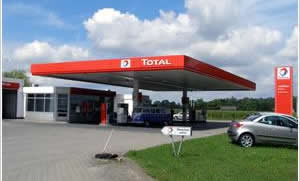
Just before the festive season last year, local fuel dealers increased the price for both petrol and diesel by an average 8 percent citing an increase in crude oil prices.
Domestic supplies dwindled towards the festive holidays culminating in unjustified price adjustments as demand outstripped supply.
As of yesterday, the price of diesel had risen from US$1,25 per litre to between US$1,30 and US$1,40 per litre while petrol was selling at between US$1,40 and US$1,49 from US1,35 per litre. Diesel and petrol in December had risen 8 percent from anything between US$1,06 and US$1,09 depending on the dealer for diesel to between US$1,15 and US$1,21 a litre, with similar percentages taking petrol up to between US$1,28 and US$1,31 a litre.
There is always a high demand for oil around this time from European markets as they experience freezing conditions and they use huge amounts of fuel for heating.
A survey carried out by The Herald showed that most service stations, which had fuel, were holding onto the commodity, ostensibly to create artificial demand to sell at an inflated price.
Should the demand and price of oil continue rising, Zimbabweans would have to pay more for their fuel.
The latest round of fuel price increases has triggered a widespread surge in the cost of basic commodities and consumer goods.
The increase comes hardly a month after retailers increased prices ahead of the annual bonuses in December last year.
Energy and Power Development Minister Elton Mango-ma said fuel supplies dropped towards the festive season as limited fuel was coming through to Beira.
“We have also experienced limited supplies from the onset of the cold spell in the Northern Hemisphere but we have managed to get supplies to other parts of the country.
“However, the situation is not serious because Government had to source the commodity from Matola in Mozambique following limited supplies at Beira,” Minister Mangoma said.
Most fuel importers use pipeline to bring fuel from Beira to Harare because this is the cheapest form of transporting liquid fuel.
Government discourages the importation of fuel by road in a bid to facilitate the use of the Beira-Harare pipeline.
Independent estimates project that it costs US$0,06 a litre to transport fuel by pipeline from Beira to Msasa in Harare while haulage trucks charge US$0,09 a litre over the same distance.
One local supplier said they were receiving limited supplies from independent petroleum groups who imported fuel on their behalf.
“We receive our fuel from importers and given the fact that there are limited supplies, we end up getting little allocations,” a local dealer said.
However, the high price increase indicates that dealers are covering up for the limited fuel supplies.
Fuel prices have been responding to world crude oil prices, which have been moving up again after the sudden drop during the late 2008 economic recession.
Since Zimbabwe only started buying fuel in US dollars in 2009, there is no obvious comparison with the runaway hikes that have hit all countries during the crude oil boom that peaked in 2008.


 Online Reporter