Online Reporter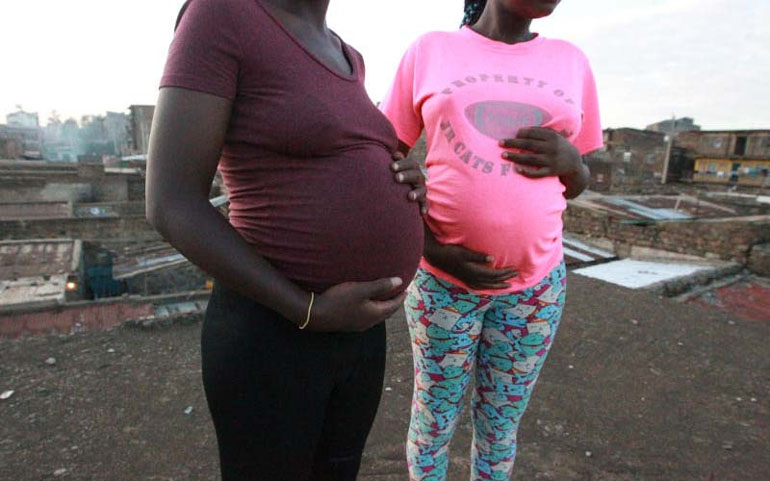
Tendai Gukutikwa
Health Reporter
CALLS are mounting for the urgent expansion of sexual and reproductive health services targeting children aged 10 to 14, amid alarm over rising cases of teenage pregnancies, early marriages, HIV infections and unsafe abortions among adolescents.
Stakeholders warn that without immediate intervention, the crisis could spiral further, robbing young people of their childhood and future opportunities.
According to Data from the National Assessment of Adolescent Pregnancies in Zimbabwe — conducted by the Centre for Sexual Health and HIV/AIDS Research Zimbabwe (CeSHHAR); the United Nations Population Fund (UNFPA Zimbabwe); the United Nations Children’s Fund (Unicef Zimbabwe); and the United Nations Educational, Scientific and Cultural Organisation from January 2019 and December 2022, a breakdown of antenatal booking records shows that girls aged between 10 and 14 accounted for 0,2 percent of pregnancies recorded at health institutions, while those aged 15 to 19 accounted for 21 percent, a troubling trend involving children who should still be in school and under protection.
According to the national population pyramid, girls aged 10 to 14 make up 6,8 percent of Zimbabwe’s population.
Statistics indicate that 0,2 percent of this age group fell pregnant and booked for antenatal services, translating to 2153 girls nationwide.
The data further shows that girls aged between 15 and 19 constitute 5,7 percent of the country’s population, yet 21 percent of them sought antenatal care services at health institutions across the country.
This represents a staggering 18 8972 teenage pregnancies.
This emerged during a Beyond the Headlines media training workshop held in Mutare last week by Population Services Zimbabwe, where health experts and advocacy groups underscored the need for early intervention, comprehensive sexuality education, and improved access to adolescent-friendly health services.
Presenting at the workshop, Advocacy Core Team coordinator, Ms Diana Mailosi, warned that the country is facing a mounting emergency that disproportionately affects girls.
She stressed that immediate action is required from the Government, communities, health institutions, and the media to stem the tide of adolescent pregnancies, child marriages, HIV infections, and unsafe abortions.
Ms Mailosi highlighted that children as young as 10 to 14 years are increasingly being exposed to sexual activity and its devastating consequences at a stage when they are physically and emotionally vulnerable.
“We cannot afford to remain silent while our children’s futures are being stolen,” she said, calling for stronger policies, community engagement, and media advocacy to safeguard the rights and health of adolescents.
She said Zimbabwe is witnessing worrying trends among younger adolescents, particularly girls below the age of 16.
“There was a 35 percent increase in pregnancies among adolescents below 16 years between 2020 and 2021 who had to access antenatal services.
“From antenatal booking records, girls aged 10 to 14 years accounted for 0,2 percent, while those aged 15 to 19 years accounted for 21 percent. These are children who should be in school and protected,” she said.
Ms Mailosi said increasing school drop-outs linked to pregnancies and early marriages remains a major concern.
“In 2020, Zimbabwe recorded 55 899 school drop-outs. The figure rose to 69 660 in 2021, before slightly declining to 65 709 in 2022. A significant number of these cases are linked to teenage pregnancies, poverty, early marriages and limited access to reproductive health information,” she said.
She added that harmful cultural practices, economic hardships and climate-induced vulnerabilities such as drought are also contributing to early marriages and sexual exploitation of young girls.
“Statistics show that 34 percent of girls marry before the age of 18, while five percent are married by the age of 15. Some of these marriages happen after girls are discovered having sex or falling pregnant, while poverty and drought are also pushing vulnerable families into harmful coping mechanisms,” said Ms Mailosi.
She said there is also a major information gap among adolescents regarding HIV and sexual health.
“Nearly one in every two young people aged between 15 and 19 years lacks comprehensive information and knowledge on HIV and SRH issues.
“About 48 percent of young people do not know their HIV status despite high infection rates among adolescents and young adults aged between 15 and 24 years,” she said.
Ms Mailosi said although Zimbabwe has made significant
▶ To Page 6
Furore over child pregnancies surge
▶ From Page 1
progress in HIV response over the years, young people still remain disproportionately affected.
“Adult HIV prevalence has declined to approximately 9,8 percent in 2025, while new infections have significantly dropped from 76 000 in 2010 to around 15 000 in 2025.
“However, ART coverage for children aged between zero and 14 years remains at 73 percent, showing that there are still gaps affecting children and adolescents,” she said.
She said Zimbabwe has approximately 1,365 million girls and young women aged between 15 and 24 years, with HIV prevalence estimated at 7,04 percent.
“These statistics show why there is need for expanded adolescent-friendly SRH services, increased HIV testing, access to contraception, psychosocial support and comprehensive sexuality education targeting younger adolescents,” she said.
Ms Mailosi also challenged the media to play a constructive role in protecting adolescents through responsible reporting.
“The media has power to shape attitudes, influence behaviour and break harmful myths.
“We need journalists to report accurately and ethically on SRH matters without stigmatising children, survivors or vulnerable communities,” she said.
Ms Mailosi said the statistics show that children are becoming sexually active earlier, while access to comprehensive information and services remains limited.
She said adolescent mothers faced significantly higher risks of eclampsia, systemic infections and pregnancy-related complications compared to women aged between 20 and 24 years.
“The babies born to adolescent mothers are also at higher risk of low birth weight, premature birth and severe neonatal complications.
“This is no longer just a health issue, but a social and developmental crisis affecting the future of young people,” said Ms Mailosi.
She also challenged the media to play a constructive role in protecting adolescents through responsible reporting.
“The media has power to shape attitudes, influence behaviour and break harmful myths.
“We need journalists to report accurately and ethically on SRH matters without stigmatising children, survivors or vulnerable communities,” she said.
In an interview, PSZ Advocacy and Gender Advisor, Ms Nyasha Mudavanhu, urged journalists to report on SRH issues responsibly and avoid sensationalising stories, saying such reporting often discourages vulnerable individuals from seeking help.
“Through the media, communities can be educated on where to access services, the importance of early treatment and the need to protect vulnerable groups from stigma and discrimination,” she said.
Ms Mudavanhu said PSZ continues to complement Government efforts by providing SRH services through outreach teams, public support strengthening initiatives and partnerships with State health institutions.
“We are working with communities and stakeholders to improve access to reproductive health information and services, especially among young people and marginalised groups,” she said.
Participants at the workshop also underwent training in ethical reporting, stigma-free language, gender-sensitive journalism and strategies for improving public awareness on SRH rights and services.