Online Reporter
Zimbabwe’s tourism industry has received an unprecedented boost with the introduction of transformative transport infrastructure that promises to redefine the nation’s position as a premier African destination.
The Government of the Second Republic, under President Mnangagwa’s visionary leadership, has delivered two landmark achievements that demonstrate an unwavering commitment to economic transformation and tourism excellence.
Harare-Mutare Luxury Train: A Tourism Game-Changer
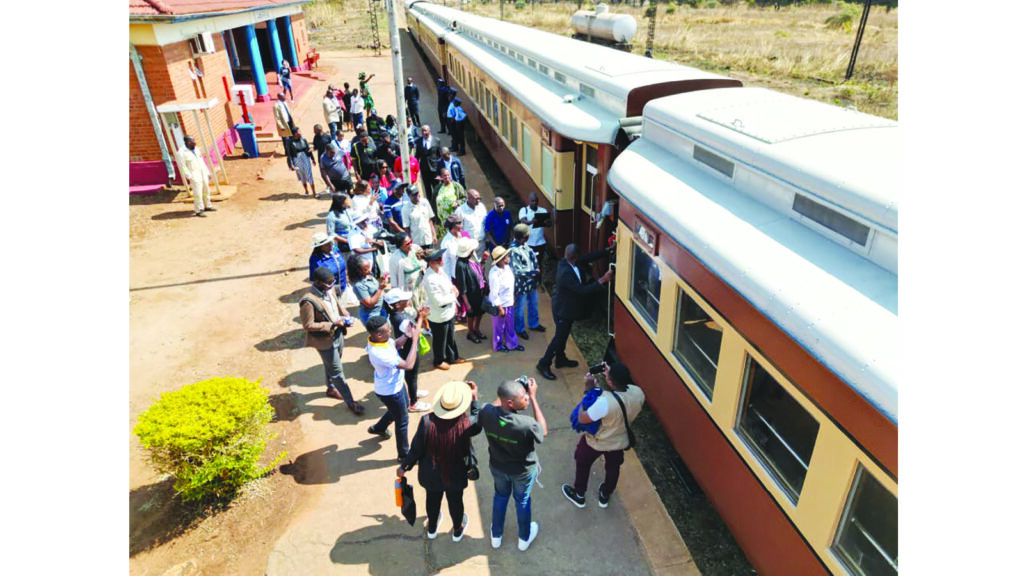
In an exciting development for Zimbabwe’s tourism sector, the country has introduced a luxury train service between Harare and Mutare, set to coincide with the highly anticipated 18th Sanganai/Hlanganani World Tourism Expo, taking place from September 10-12, 2025.
This premium rail experience represents more than mere transportation; it embodies a sophisticated tourism product that showcases Zimbabwe`s natural beauty while delivering world-class comfort.
The timing of this launch strategically aligns with Africa’s premier tourism showcase, positioning Zimbabwe as an innovative destination that prioritises visitor experience.
The luxury rail service operates on a carefully crafted schedule that maximises tourist engagement. This seamless connectivity between Zimbabwe’s capital and the Eastern Highlands creates an immersive travel experience that transforms the journey itself into a destination attraction.
The strategic importance of this initiative extends beyond transportation logistics. Through connecting Harare to Mutare through luxury rail, the Government has created a tourism corridor that showcases Zimbabwe’s diverse landscapes, from the urban sophistication of the capital to the breathtaking mountain vistas of the Eastern Highlands.
This rail experience positions Zimbabwe competitively against regional destinations, offering international visitors a unique African luxury travel experience.
Complementing the rail service, Air Zimbabwe announced daily return flights between Harare and Mutare from September, and this is a tactical boost designed to ease access to the Eastern Highlands while supporting its broader turnaround strategy.
This dual-modal transport approach demonstrates sophisticated tourism planning that caters to diverse visitor preferences and budgets.
The Mabvuku Interchange: Infrastructure Excellence with Tourism Impact
Simultaneously, the Government`s commitment to world-class infrastructure development continues with the ambitious Mabvuku Interchange project.
Construction of the Mabvuku Traffic Interchange is now underway, with traffic diverted to detour routes to allow the start of civil works on the key infrastructure project at the busiest intersection within the capital city along the Harare–Mutare Highway.
This interchange affectionately nicknamed “Trababalous 2” or informally known as the “Dzokerai Mabhunhu Interchange” represents more than engineering excellence; it symbolises Zimbabwe’s determination to create infrastructure that rivals global standards.
The project, scheduled for completion by June 2026, will significantly enhance the tourism experience by improving accessibility and reducing travel times between key tourist destinations.
The Mabvuku Interchange serves as a critical gateway infrastructure piece, facilitating seamless movement along the Harare-Mutare corridor, the very route served by the new luxury rail service.
This synchronisation of rail and road infrastructure creates a comprehensive transport ecosystem that enhances Zimbabwe`s tourism competitiveness.
Through 2030, all provinces will have modern interchanges, advancing Zimbabwe`s Vision 2030 towards world-class infrastructure and connectivity.
This ambitious timeline demonstrates the Government’s systematic approach to tourism infrastructure development, ensuring that every corner of Zimbabwe becomes accessible to international visitors.
Economic Multiplier Effects/Employment Creation
These transport initiatives generate substantial economic multiplier effects throughout Zimbabwe’s tourism value chain. The luxury rail service creates immediate employment opportunities in hospitality, tour guiding, catering, and maintenance sectors.
Local communities along the Harare-Mutare corridor benefit from increased visitor traffic, creating markets for handicrafts, cultural performances, and local cuisine. The Mabvuku Interchange project employs hundreds of construction workers, engineers, and support staff, while its completion will enhance business efficiency across the tourism sector.
Improved connectivity reduces operational costs for tour operators, enables faster airport transfers, and enhances the overall visitor experience that drives positive tourism reviews and repeat visits.
Tourism Brand Positioning/International Competitiveness
These developments collectively position Zimbabwe as a sophisticated tourism destination that combines authentic African experiences with modern infrastructure and luxury services.
The luxury rail service creates marketing opportunities that differentiate Zimbabwe from regional competitors, offering unique selling propositions for international tour operators and travel agents.
The brand messaging is clear: Zimbabwe delivers world-class infrastructure, innovative tourism products, and seamless connectivity. This positioning attracts high-value tourists who seek premium experiences while exploring authentic African destinations.
The Government of the Second Republic deserves commendation for this visionary approach to tourism development. By simultaneously investing in luxury tourism products and fundamental infrastructure, President Mnangagwa’s administration demonstrates understanding that tourism success requires comprehensive ecosystem development rather than isolated initiatives.
Conclusion: A Tourism Renaissance
Zimbabwe’s transport revolution represents a tourism renaissance that will generate sustainable economic benefits for decades. The Harare-Mutare luxury rail service and the Mabvuku Interchange project exemplify the government`s commitment to positioning Zimbabwe as Africa`s premier tourism destination.
These initiatives create a foundation for accelerated tourism growth, employment creation, and foreign currency generation. Most importantly, they demonstrate Zimbabwe’s readiness to compete globally while celebrating its unique cultural and natural heritage.
The Second Republic’s infrastructure vision is transforming tourism dreams into economic reality, one luxury train journey and one world-class interchange at a time.
Charles Mavhunga co-authored textbooks in Business Enterprising Skills and is currently studying for a Ph.D. in Management at Bindura University. He can be contacted at charles.mavhunga@ gmail.com.Cell:0772989816