admin
admin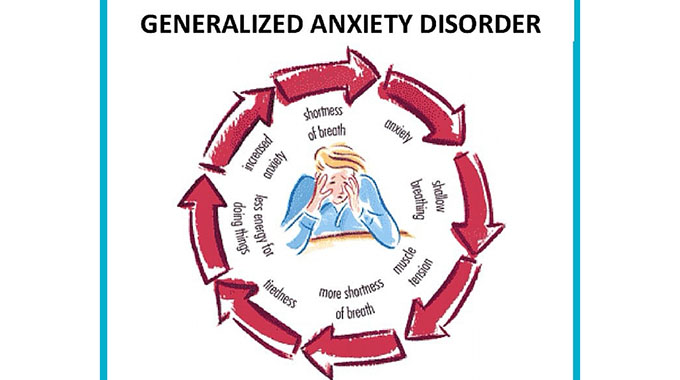
Dr Sacrifice Chirisa Mental Health Matters
It is normal to feel anxious from time to time, especially if your life is stressful. However, excessive ongoing anxiety and worry that is difficult to control interferes with day-to-day activities may be a sign of generalised anxiety disorder.
It is possible to develop generalised anxiety disorder from childhood, but more so as an adult. The symptoms that are similar to that of panic disorder, obsessive-compulsive disorder and other types of anxiety, but they’re all different conditions.
Living with generalised anxiety disorder can be challenging and chronic. In many cases, it occurs along with other anxiety or mood disorders.
In most cases, generalised anxiety disorder improves with psychotherapy or medications. Making lifestyle changes, learning coping skills and using relaxation techniques also can definitely help.
Generalised anxiety disorder mental symptoms can vary, but may include:
Persistent worrying or anxiety about a number of areas that are out of proportion to the impact of the events
Overthinking plans and solutions to all possible worst-case outcomes
Perceiving situations and events as threatening, even when they are not
Difficulty handling uncertainty
Indecisiveness and fear of making the wrong decision
Inability to set aside or let go of a worry
Inability to relax, feeling restless, and feeling keyed up or on edge
Difficulty concentrating, or the feeling that your mind “goes blank”
Physical signs and symptoms may include:
Fatigue
Trouble sleeping
Muscle tension or muscle aches
Trembling, feeling twitchy
Nervousness or being easily startled
Sweating
Nausea, diarrhoea or irritable bowel syndrome
Irritability
There may be times when your worries do not completely consume you, but you still feel anxious even when there is no apparent reason. For example, you may feel intense worry about your safety or that of your loved ones, or you may have a general sense that something bad is about to happen.
Your anxiety, worry or physical symptoms cause you significant distress in social, work or other areas of your life. Worries can shift from one concern to another and may change with time and age.
A psychiatrist visit is needed when:
(1) You feel like you’re worrying too much, and it’s interfering with your work, relationships or other parts of your life.
(2) You feel depressed or irritable, have trouble with drinking or drugs, or you have other mental health concerns along with anxiety.
(3) You have suicidal thoughts or behaviours.
Your worries are unlikely to simply go away on their own, and they may actually get worse over time. The earlier one seeks treatment the better.
Dr Sacrifice Chirisa is a passionate consultant psychiatrist at Harare Hospital Psychiatric Unit. He is a certified life and business coach and secretary general of the Zimbabwe Medical Association.



 Online Reporter