


 admin
adminTendai Chara
Teacher organisations have called upon Government to move with speed in weeding out the ghost workers in the civil service so that ‘genuine’ affected workers can have their salaries reinstated.
Recently, 3 000 civil servants were struck off the payroll after they were not found at their workstations when a headcount was conducted. Of these, 2 027 are teachers.
Following this, Government said that the onus was on the affected employees to prove that they are bona fide workers so that they could have their salaries reinstated. However, teacher organisations are now crying foul as affected teachers have not received their salaries for the past two months.
The Civil Service Commission is currently seized with the verification of papers submitted so far by affected people but the exercise is pointing to corruption on the part of headmasters, district education officers and human resources officials.
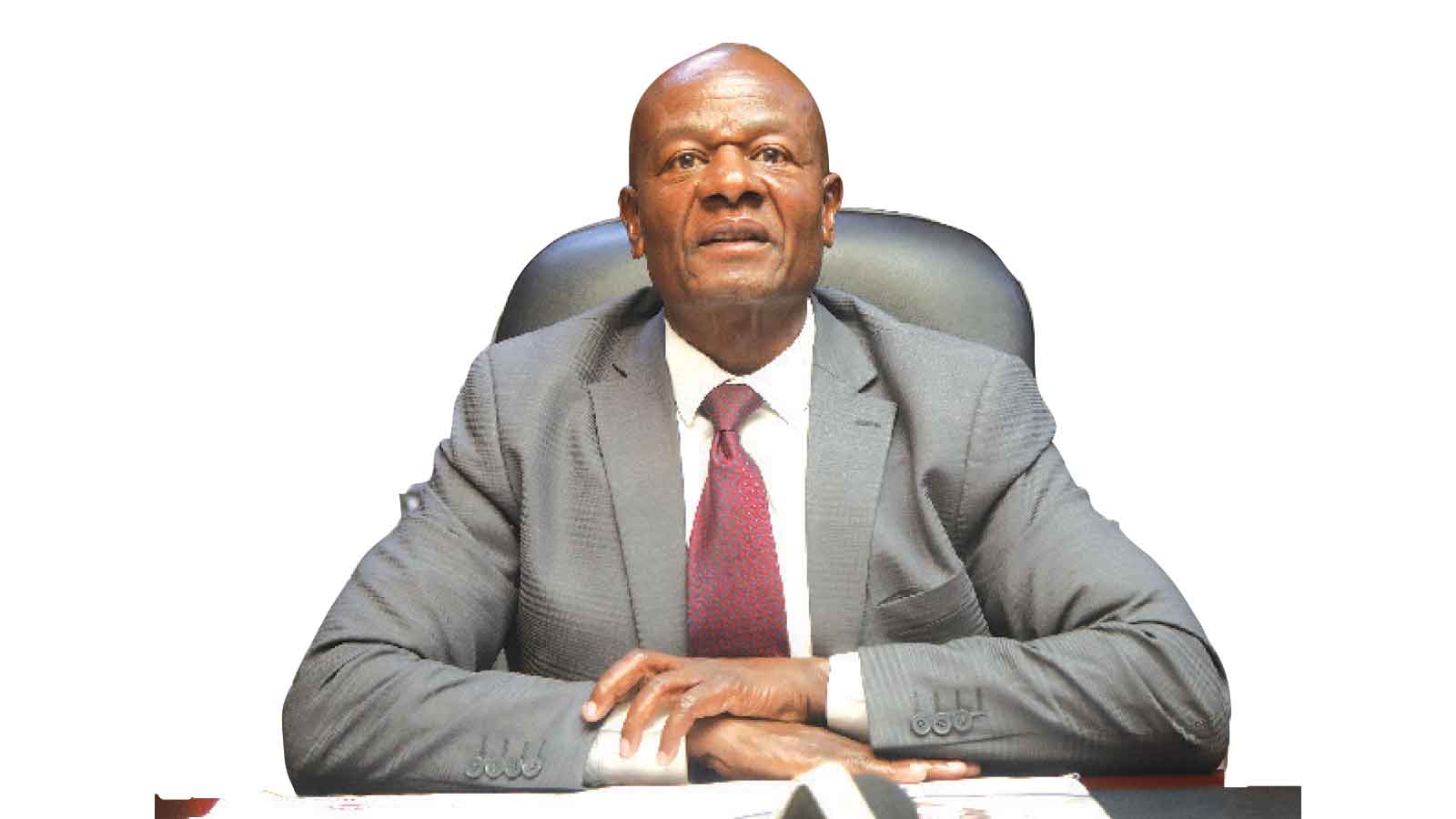
Despite this, the president of the Professional Teachers Union of Zimbabwe, Dr Takavafira Zhou is not happy with the way the Public Service Commission conducted the audit.
“First and foremost, those that were commissioned to conduct the audit were incompetent laymen who did not even understand how the school system works. These people thought that the teachers should always be at the school,” Dr Zhou argued.
According to Dr Zhou, some of the affected teachers were on official duty elsewhere when the auditing team visited their respective schools.
He took a swipe at some headmasters and described them as “incompetent and inexperienced” for failing to defend their staff.
“How a school head can fail to explain the absence of a teacher who is either on study leave or is away on duty baffles the mind. Some of the headmasters do not keep records of their teachers’ movements, resulting in them failing to explain their absence,” he said.
Dr Zhou said the Ministry of Primary and Secondary Education has abandoned the plight of the teachers.
“We are not happy with the Ministry which is distancing itself from all this whilst our teachers are suffering. As unions, we have engaged the Commission (Civil Service Commission) and we feel that the Ministry should intervene,” added Dr Zhou.
The Ministry of Primary and Secondary Education has indicated that it is not responsible for the remuneration of teachers.
“Our Ministry does not deal with such issues. As you might be aware, the Civil Service Commission is responsible for such issues and I suggest you talk to them,” Mr Zumbo, the spokesperson for the Ministry of Primary and Secondary Education said.
Mr Maxwell Rafemoyo, the national co-ordinator of the Education Coalition Zimbabwe defended the Ministry of Primary and Secondary Education, arguing that the Ministry of Labour and Social Welfare should have conducted the audit a “long time ago”.
“The Ministry of Primary and Secondary Education is not the teachers’ employer. The Labour Ministry should have conducted such an audit a long time ago. In fact, such audits must be done time and again since the Ministry must always evaluate and monitor its expenditure,” he explained.
Mr Rafemoyo said the Government’s efforts to flush out ghost workers is a noble idea.
“It has been proven that we have ghost workers in our system. This audit is one way of plugging the loopholes. As for those affected teachers, they have a right to make representations to the authorities. The sad thing though is that the process takes a long time to conclude,” Mr Rafemoyo said.
Other stakeholders applauded the audit which they claim will bring sanity to the education sector.
According to a recently released civil service manpower audit report, the bulk of Government’s employment costs are going to the Ministry of Primary and Secondary Education with $873 210 000 per year.
Government has also been paying the salaries of 2 888 teachers who are working at private schools.
The major highlights of the audit report are that 170 primary schools in the country have got deputy headmasters when they are not supposed to have them.
This has unnecessarily increased the workforce and is costing Government $1 170 000 annually.
The report states that School Development Associations have been employing their own teachers unprocedurally, with 3 412 schools countrywide recruiting a combined 6 913 teachers.
The audit also revealed that some people who left the education sector as far back as 2000 still appear on the payroll with their payments and other benefits being collected by corrupt third parties.
Calls have been made to have the culprits punished. This, according to observers, will send a clear message to would-be offenders.
Observers noted that the issue of ghost workers has been draining the country of millions of dollars and must be addressed conclusively. If these loopholes are successfully plugged, the money can be channelled towards national investments.
Since last year, the Civil Service Commission has been undertaking a restructuring exercise to cut Government expenditure, align ministries’ staffing with their mandates, and also identify any duplications and redundancies.
As a way of curbing ghost workers, the Public Service Commission is modernising and decentralising the Salary Service Bureau (SSB). Once the exercise is complete, each district will have its own payroll assistant.
Hopefully this will improve SSB’s grip on the wage bill, making it easier for Government to flush out ghost workers.


 Online Reporter