Online Reporter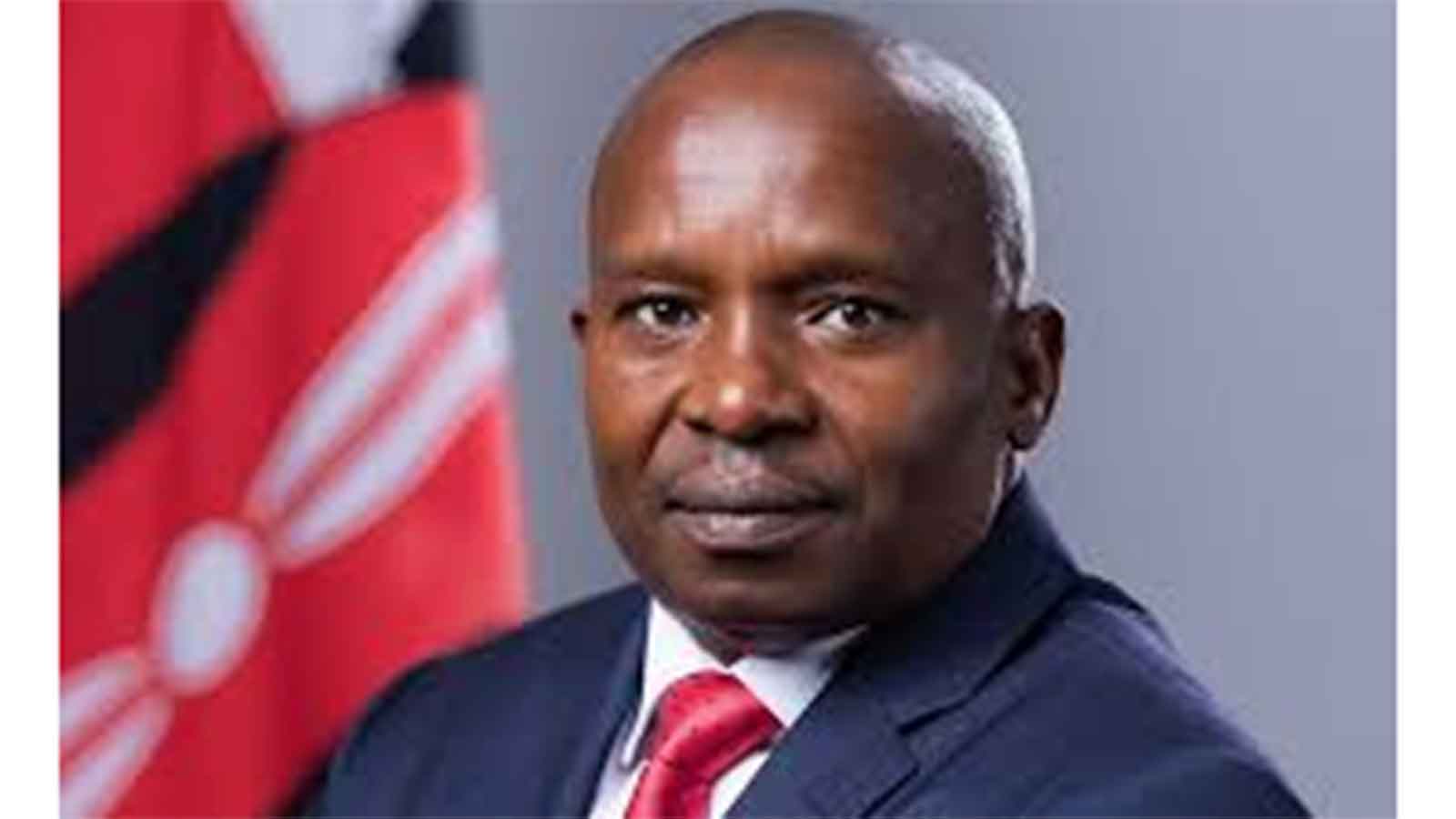
Ruth Butaumocho, NAIROBI, Kenya
THE Global Data Festival 2026 opened here yesterday, with participants calling for trusted and reliable data crucial for digital transformation and the rapid adoption of artificial intelligence technologies to promote development.
The festival, which is being held in Africa for the first time and is the third edition globally, has brought together over 1 000 participants from 65 countries, drawn from Government statistical agencies, innovators, researchers and statisticians from all over the world, including Zimbabwe.
Officially opening the festival, the Vice President of Kenya, Professor Kithure Kindiki, said data has become the currency of change, while at the same time deepening the divide between those who own infrastructure and those left at the margins, a development that requires holistic integration.
“Data is the epicentre of sustainable development.
“Even in the era of AI, data carries added weight because it is the foundation on which the new intelligence will be built.
“This festival has to help us view data not just as a technical subject, but as a development, finance and governance priority,” said Prof Kindiki.
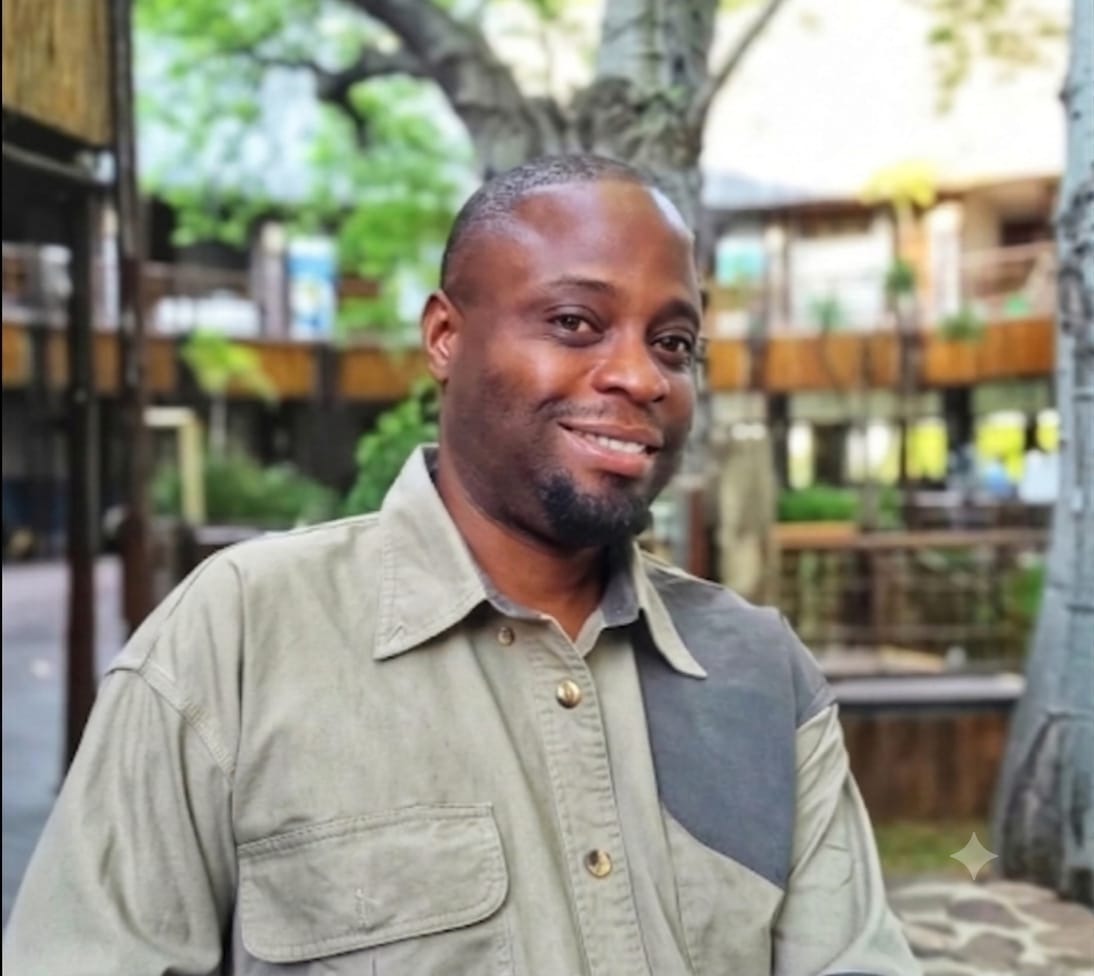
Speaking on the sidelines of the festival, a Zimbabwean delegate, Mr Leonard Katova, said the Global Data Festival provides participants with a valuable opportunity to learn how data can be effectively utilised for development and to improve the lives of people in different countries.
“As we are now operating in the artificial intelligence era, many organisations are providing technical guidance on how AI can be responsibly and effectively integrated into data.
“These innovations enable countries to strengthen data-driven governance, improve performance measurement, monitor development outcomes, and enhance service delivery,” Mr Katova said.
The five-day global festival, being held in conjunction with the Kenya Space Expo and Conference, will emphasise the importance of transforming data into meaningful insights that support evidence-based decision-making, policy formulation and development planning.
The event, which has brought together leading international partners that include Google, the Global Partnership for Sustainable Development Data, the Office for National Statistics (ONS-UK), the International Monetary Fund, and the United Nations Population Fund, is also expected to share modern approaches to data collection, integration, analytics and data pipeline automation.
The festival will also create a platform for networking and knowledge exchange with partners from the SADC region, across Africa and globally.
Participants will share experiences, best practices and innovative approaches to data collection, management, analysis and dissemination.
The festival will reinforce that data is a strategic national asset.
Effective development planning, performance management, and people-centred decision-making depend on the availability of quality, timely and accessible data.
“By leveraging data, advanced analytics and AI technologies, governments and institutions can make informed decisions that drive sustainable development and improve the well-being of citizens,” Mr Katova said.
The inaugural festival was held in Bristol, United Kingdom, with Uruguay hosting the second edition. The ongoing Global Data Festival is being hosted by several partners in conjunction with the Kenya National Bureau of Statistics.