admin
admin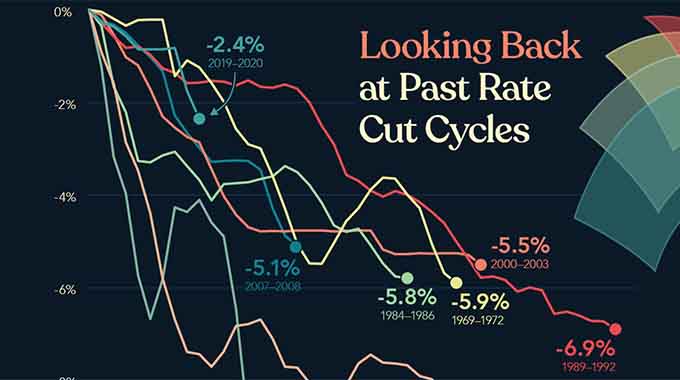
The US Federal Reserve led a global wave of interest rate cuts by slashing rates by 50 basis points—its largest move since the pandemic.
Central banks across Europe and the Americas are joining in this worldwide easing trend.
What does this mean?
The Fed’s bold 50 basis point cut marks the start of a major easing cycle, possibly pushing US rates to about 3–3,5 percent.
This mirrors actions by central banks from Sweden to the euro area, each cutting rates by 25 basis points in their most concerted effort since March 2020.
Not all nations are following this lead, though: Brazil raised its rate by 25 basis points—their first hike in two years—and Russia bumped up by 100 basis points due to ruble weaknesses.
Emerging markets, with a total of 1 525 basis points cut this year across 36 moves, are navigating challenges of currency stabilisation and capital flow management, adding layers of complexity to an already turbulent financial scene.
Why should I care?
Central banks’ coordinated rate cuts could bolster equity markets, potentially aiding sectors that depend on consumer financing.
However, emerging markets are under the dual pressure of maintaining currency stability while managing capital outflows.
Investors should keep an eye on global liquidity shifts and emerging market currencies, as these rate changes might affect trade balances and international competitiveness.
Navigating complex economic currents.
As central banks worldwide take varied actions—some easing, some tightening—economic policy balances between controlling inflation and supporting growth.
This multifaceted backdrop, particularly impacting emerging economies like Brazil and Russia, highlights broader economic shifts influenced by geopolitical tensions and market volatility.
The policy environment suggests a rebalancing of economic priorities, with lasting effects on global trade and investment flows.– finimise.com



 Online Reporter