Chronicle Editor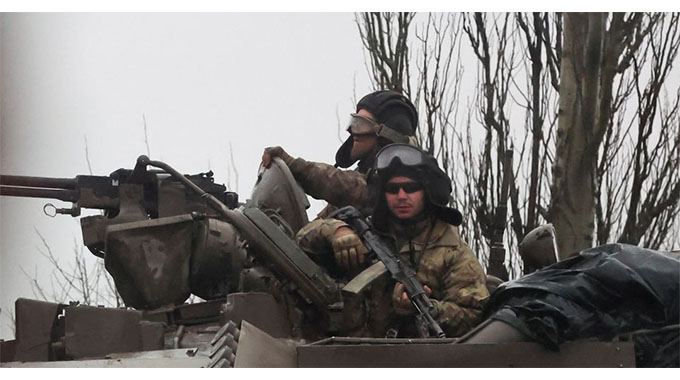
(REUTERS) – Oil prices broke above $100 a barrel for the first time since 2014, stock markets slumped and the rouble hit a record low on Thursday after Russian President Vladimir Putin launched an invasion of Ukraine.
Markets displayed all the predictable reactions. Europe’s stock markets tumbled nearly 4% in frenzied selling while top-rated government bonds, the dollar, Swiss franc, Japanese yen and gold all rallied as traders sought out safety.
Putin said he had authorised what he called a special military operation though Ukraine and Western governments labelled it a full-scale invasion.
U.S. President Joe Biden said “severe sanctions” would be imposed on Russia after the attacks, with Europe’s leaders vowing to also freeze assets and shut Russian banks out of their financial markets.
Russian and Ukraine markets went in freefall. The rouble weakened nearly 7% to an unprecedented 86.98 per dollar, there were record 30% falls on the Moscow stock exchange when it opened after an initial suspension, while Ukraine was forced to suspend trading in its currency as its bonds crashed violently.
“No one expected this and speculation of Putin’s next step will be the major focus of the coming days,” said Hans Peterson, global head of asset allocation at SEB investment management.
“But this does happen in a phase of the business cycle that is quite strong,” he added, saying how high energy and commodity prices now go is also crucial.
The equities rout had started with a 2.6% dive for pan-Asian indexes. Europe’s STOXX 600 index then fell 3.9% – hitting its lowest since May 2021 and more than 10% away from a January record high.
The German DAX fell 4.7%, bearing the brunt of the selloff due to heavy reliance on Russian energy supplies and the amounts its companies sell to Russia.
The surge in oil prices helped limit losses on the UK’s commodity-heavy FTSE 100, although it still slumped 2.3% and futures markets pointed to similar falls for Wall Street later.
S&P 500 e-minis were down over 2% and Nasdaq futures were 2.9% lower in premarket trading, which if it is reflected after the market opens, would confirm the tech-focused index has slumped into a so-called ‘bear’ market.
“In the past when you have had geopolitical flare ups you tend to have very volatile periods on markets then normalisation, but it’s difficult to assess when we will get that,” said LGIM portfolio manager Justin Onuekwusi. -Reuters


 Online Reporter