Online Reporter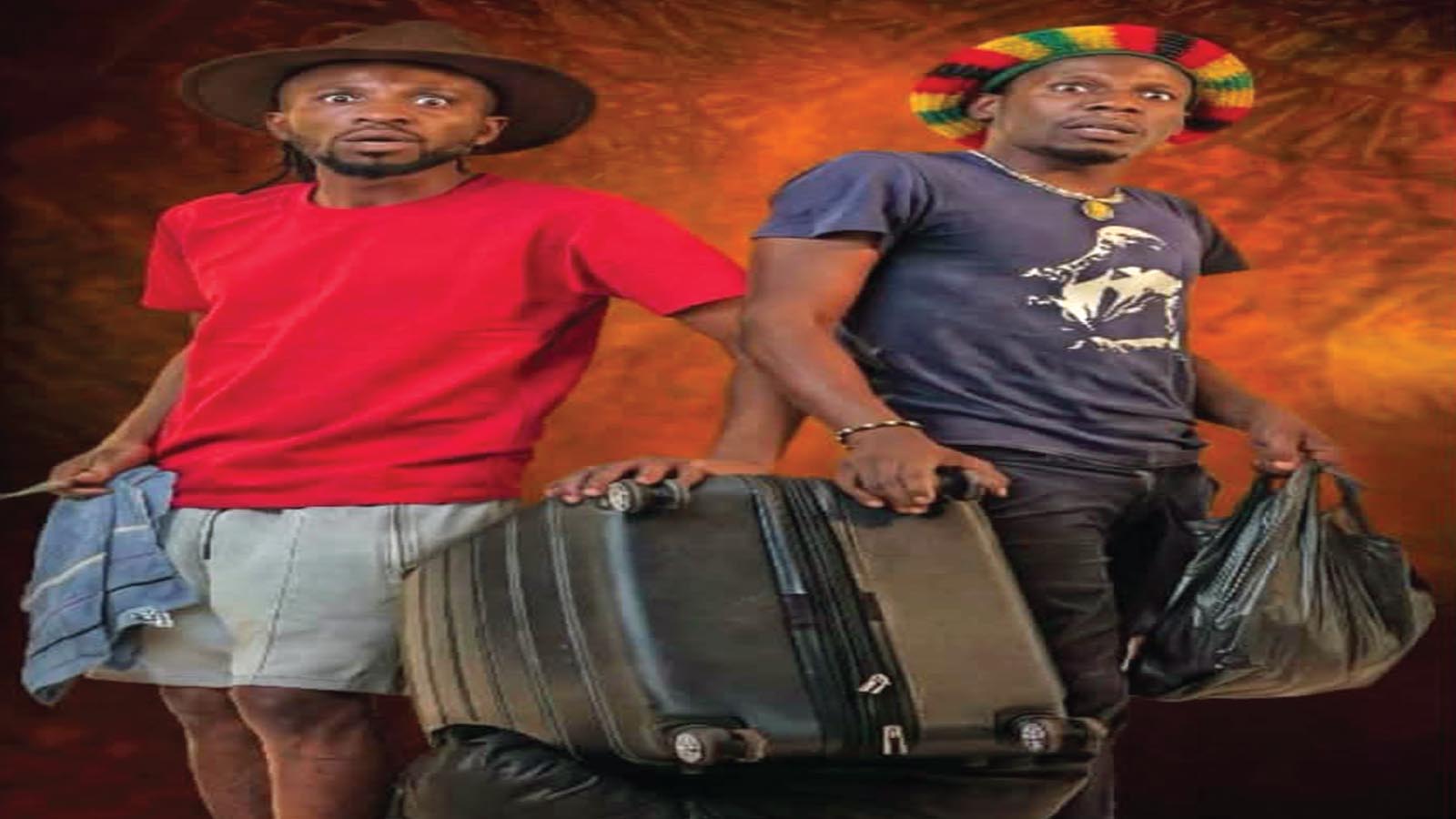
Prince Mushawevato
TOP thespians from at least seven countries are set to ignite local theatre this week at the Harare International Fringe Festival.
The four-day cultural extravaganza will run from September 17 to 20 at the Jasen Mphepo Little Theatre in Harare.
The inaugural Harare International Fringe Festival features an expansive, multi-country line-up, with performers hailing from Kenya, South Africa, Guadeloupe, Brazil, the United Kingdom (UK), Zambia and host nation Zimbabwe.
The performances open on Thursday with the Guadeloupe production “Chanzy” taking the main stage.
South African theatre takes centre stage on Friday with the production “Selfie Le Jesu”.
On Saturday, the UK delegation presents its flagship act “Amazons”, a musical monologue presented by Footprint Productions.
The festival ends on Sunday with “Two Comedians Looking for Accommodation”, a Zimbabwean comedy show featuring two local comedians, designed to close out the event on a high note.
Other productions on the cards include Kenya’s “Elements”, “Graveland” from South Africa, “Ravaged” from Zambia, Art in Motion (a production featuring dance, mime, puppetry and comedy specifically for students) and Choral Initiative.
Throughout the four-day event, theatre lovers can attend daily performances scheduled at 1pm, 4pm and 7pm.
Beyond theatrical performances, the festival places strong emphasis on professional development and artistic capacity building through daily workshops and masterclasses.
Each session focuses on different industry topics, providing practical training for emerging and seasoned practitioners.
“The masterclass line-up includes prominent regional and international facilitators, among them Daniel Maphosa (Zimbabwe), who leads the opening masterclass session.
“Wakio Mzenge (Kenya) conducts the second workshop, Gael (UK) facilitates the third masterclass segment and South Africa’s Bongani Masango delivers the final technical session,” said festival director Jasen Mphepo.
To complement the theatrical line-up, evening music concerts will follow the final dramatic performances each day.
On Thursday night, organisers aim to feature Zimdancehall and reggae singer Cello Culture, subject to final confirmation.
Friday night is dedicated to live rhumba music, followed by an evening gig on Saturday and a closing concert on Sunday.
This multi-genre structure is part of the festival’s goal to bridge dramatic arts, music and cross-cultural exchange.
Originally founded in 2024 as the One-Hander Theatre Festival, the event initially restricted its programming exclusively to single-performer productions.
Following its second edition in 2025, organisers received feedback from participating artistes who felt the one-person constraint was artistically restrictive.
In response, the festival expanded its scope for the 2026 edition, officially rebranding as the Harare International Fringe Festival.
“While this year’s line-up still includes two solo performances, the programme has opened up to accommodate multi-cast ensemble productions, driving stronger engagement from performers and audiences alike,” said Mphepo.
All official performances, masterclasses and concerts for the 2026 edition will take place at the Jasen Mphepo Little Theatre.
While the core philosophy of a “fringe” festival relies on decentralising performances across multiple urban venues, organisers chose to consolidate this year’s event at a central hub while laying the groundwork for multi-venue expansion in future editions.
“Preliminary discussions with partners like Alliance Française indicate potential venue collaborations for upcoming years,” he said.
Addressing the current climate of Zimbabwean performance art, Mphepo noted that the sector has suffered from prolonged inactivity, leaving local audiences underserved and eroding consistent audience engagement.
“Without regular programming, public interest wanes and institutional funding decreases,” notes Mphepo.
The festival aims to serve as a catalyst to reignite interest, rebuild a dependable theatre-going audience and generate momentum that carries into upcoming events, including Danai Gurira’s Almasi Collaborative Arts programming, as well as slated productions through November, December and January.
To measure audience turnout, organisers printed 2 000 physical tickets, capped at a maximum capacity of 200 attendees per show across the venue’s 10 scheduled performances.
“Early organic demand was evident following the release of the digital booking portal, which recorded between 20 and 30 advance reservations per show prior to public ticket distribution,” revealed Mphepo.
“We are really excited about that because it is organic audiences, rather than audiences that we are borrowing or buying or asking to come to the festival. We hope that after our festival, that same organic audience is an audience that can then also still continue following our individual shows.”
Organisers estimate that retaining 25 to 50 percent of festival attendees for subsequent non-festival plays would mark a sustainable turnaround for local theatre attendance.
Should demand exceed the venue’s 200-seat limit, the resulting overflow is expected to benefit partner venues across the city, such as Theatre in the Park and Reps Theatre, strengthening the broader performing arts ecosystem.
Media outreach for the event includes a broadcast partnership with Star FM, featuring artiste interviews and ticket giveaways.
With strong public anticipation surrounding the four-day event, the festival team is fully focused on delivering a memorable international showcase.