Online Reporter
Michael Tome, Business Reporter
THE Grain Marketing Board (GMB) says it is fully prepared for the forecast El Niño weather phenomenon expected to negatively impact the 2026/27 summer cropping season, with the State grain utility strengthening strategic grain reserves, expanding storage capacity and improving grain logistics to safeguard national food security.
Speaking yesterday on the sidelines of the Zimpapers Public Lecture Series held under the theme “Smart Harvest, Resilient Nation: Agriculture as Zimbabwe’s Climate and Economic Shield,” GMB chief executive officer Dr Edson Badarai said the organisation had drawn valuable lessons from the 2024 drought response measures and was now better positioned to mitigate the impact of another dry season.
His remarks come as the Government has started planning for the 2026/27 agricultural season through a six-pillar drought preparedness strategy aimed at protecting agricultural production, strengthening food security and building resilience against climate shocks.
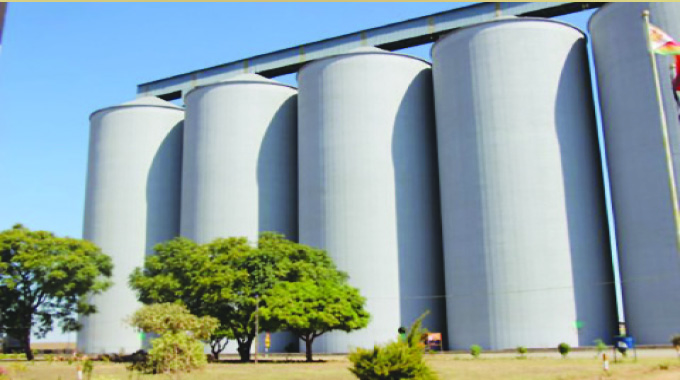
Dr Badarai said the Strategic Grain Reserve (SGR) remained central to GMB’s preparedness plans.
He said the board is targeting to procure 150 000 metric tonnes of grain from the current summer marketing season and had already secured 115 000 metric tonnes, leaving just 35 000 metric tonnes to reach the target before the close of the marketing season, which started in April.
A further 150 000 metric tonnes are expected from the winter wheat harvest, while additional grain deliveries are anticipated from the irrigated summer production under the Government’s drought mitigation strategy.
“We are very much prepared for the El Niño and we are going to deal with it the same way we did in 2024, where no one died of hunger. We have learnt more lessons now and we are going to discuss with the Government so that we move grain earlier than before,” said Dr Badarai.
To improve grain collection from smallholder farmers, GMB has established 1 884 grain collection points across the country, enabling farmers with smaller quantities to aggregate their produce before delivery.

GMB has also introduced mobile collection routes, allowing farmers located closer to major roads to consolidate grain for collection by GMB trucks instead of travelling longer distances to designated depots.
Dr Badarai said the initiative would reduce transport costs for farmers and increase grain deliveries into the national reserve.
Beyond grain procurement, GMB indicated that it is expanding its commercial storage services to support food security across the value chain.
The board has also opened its storage facilities to third-party users, including millers, processors and grain traders, and is currently holding about 67 700 metric tonnes of grain under commercial storage arrangements.
To improve competitiveness, GMB has reduced storage charges from US$2.90 to US$2.67 per tonne.
The organisation has also invested in AI-powered silo technology, with 14 modern silos expected to increase storage efficiency and capacity while reducing post-harvest losses.
During the 2024 El Niño-induced drought, GMB also supported the Government’s school feeding programme by supplying 27 500 metric tonnes of roller meal to vulnerable learners.
Dr Badarai said GMB was already preparing similar interventions should conditions deteriorate during the coming season.
Meanwhile, Lands, Agriculture, Fisheries, Water and Rural Development Minister Dr Anxious Masuka said Government’s six-pillar preparedness strategy includes strengthening the Strategic Grain Reserve, expanding climate-smart agriculture, improving agricultural financing and insurance, incentivising cereal production, building livestock resilience and enhancing early warning systems.
The strategy also seeks to facilitate grain imports where necessary while strengthening coordination with farmers through digital communication platforms, including a national WhatsApp information system.
The Government is also reviewing producer prices to provide stronger incentives for farmers delivering grain to GMB, as authorities seek to build sufficient grain reserves capable of cushioning the country against another severe drought.