admin
admin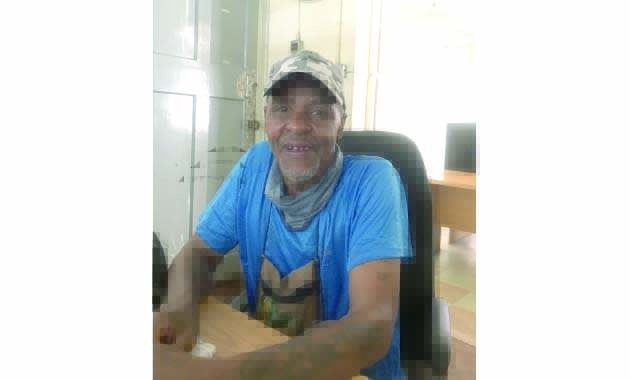
Midlands Bureau Chief
Sixteen villagers in Ward 19, Nemangwe area in Gokwe South will forever be grateful that they started a cattle pen fattening programme in 2015 as their livelihoods have improved through proceeds from the programme.
The villagers belong to the Mlalazi cattle pen fattening club which is under Headman Ndlalambi, Chief Nemangwe. They are now getting over US$40 per month each from fattened beef sales.
Cattle pen fattening involves the feeding of beef cattle with a protein-balanced, high-energy diet for a period of 45-90 days under confinement to increase live weights.
Pen fattening meal is also complete with a diet of high-quality sources of protein and fiber which improves the degree of finish to obtain better grades of beef.
Pen fattening enables the animals to express fully their genetic potential for growth.
The fattening is mostly done in winter when there are little or no pastures, especially in rural areas.
In an interview, one of the farmers, Mr Maxine Masiyiwa said the cattle pen fattening project was a life changer for the group members.

“We started this project in 2015 using our own beef cattle and acquired a loan from CBZ bank. We were then taught how to fatten the cattle for maximum returns. Life has been good for us because we are a bit financially stable,” he said.
Mr Masiyiwa said to show that they are doing well from the project, last year they bought a hammer mill, feed mixer and a pelletizer with proceeds from the venture.
He said under the World Food Programme (WFP) they got a multi crop sheller which they are now using as another revenue stream.
“We now have farmers from as far as Shurugwi coming for feed formulation demonstrations and also buying the feeds for commercial feed and survival meal/ bush meal,” he said.
“Fact remains that as smallholder farmers, we have for years been used to depending on natural fields for pastures for livestock. However, the pastures have been depleting due to climate change-induced weather patterns which in turn affect the growth of beef cattle and that lowers the selling price. But we are now aware of the need to take cattle farming as a business and that has seen us realising at least US$40.”
Ms Pauline Mutandwa the Agriculture Extension officer said the Mlalazi group was part of a cattle business association in Gokwe.
“As the association they are now holding cattle auctions where they are getting extra cash from each cattle sold, selling hay bales, fodder seeds, veterinary drugs and fattening feeds. They are now constructing a garden at the central business district (CBD) in Gokwe Town,” she said. Ms Mutandwa said the villagers have been trained to take farming as a business adding that they can now do proper budgets on their own.
She said beef prices normally change with season and higher prices are realised for good grades during the dry season when most animals are deteriorating.
“The choice of reconditioning and adding some weight of the animal during a short period normally pays off when done properly. This involves the feeding of cattle on a high-energy diet and adequate protein for a period of 90-120 days. Feeding is done under confinement to prevent loss of energy through movement,” said Ms Mutandwa.


 Online Reporter