malvernmugadzikwa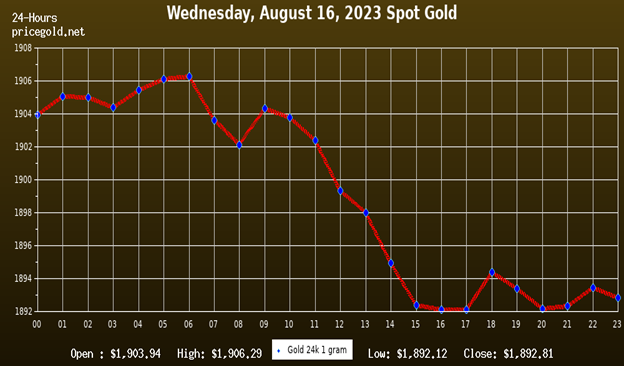
Business Writer
The price of the Mosia Tunya gold token increased from US$1893.73 to US$1988.39 per ounce in the previous trade despite gold facing pressures from major central banks decisions globally.
With the struggling Zimbabwean economy, gold is being used as a hedge against inflation and as a means of preserving value.
The Reserve Bank of Zimbabwe (RBZ) has indicated that the gold-backed tokens will soon be traded as a medium of exchange.
Gold prices concluded a fourth consecutive week of losses internationally this past Friday.
In fact, so far this month, the yellow metal is down about 3,6 percent and that marks the worst performance since February.
In response, retail traders have become increasingly bullish on gold.
In its monetary policy review, FBC Securities said; “Gold coins have been an efficient liquidity management tool, reported to have mopped up circa $50 billion locally to date. The transactional phase of the Gold backed Digital Coins (GBDT), if successfully implemented, should reduce demand for USD as a medium of exchange and value preservation.”
Efforts to reduce demand for USD should complement continuous liquidity management efforts in taming currency volatility.
“The successful introduction of gold coins as an alternative value preserving asset is likely to continue to impact the stock market’s performance. Given negative real returns on the market, we expect investors to continue to seek alternative options for value preservation,” they said.
The ongoing uncertainties surrounding the two largest economies, the United States and China, continue to weigh on gold price internationally.
The unresolved trade tensions and economic challenges between these nations contribute to a sense of market unease. Additionally, the persisting conflict between Russia and Ukraine further adds to the prevailing uncertainties, which in turn affects the stability of gold prices.



 Online Reporter