

 Online Reporter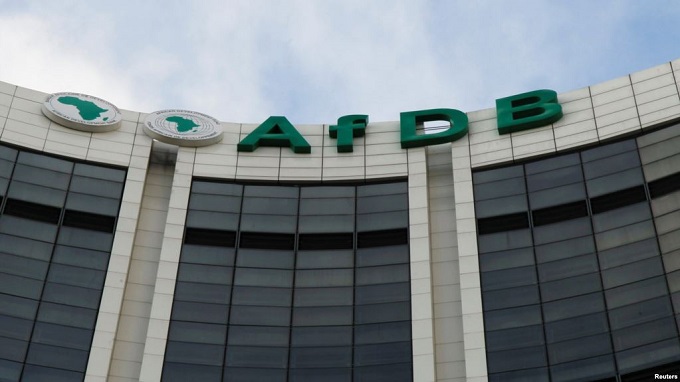
Africa Moyo
Deputy National Editor
ZIMBABWE’S strong gold sector and broad resource base are expected to cushion the economy against the economic fallout from the escalating conflict in the Middle East, the African Development Bank has said in its Southern Africa Economic Outlook 2026, released on Tuesday.
The AfDB identified Zimbabwe among Southern Africa’s resource-rich economies likely to benefit from higher commodity prices despite rising global uncertainty due to the United States’ war on Iran.
Zimbabwe produced 21,39 tonnes of gold in the first half of this year and generated approximately US$3,1 billion from exports of the precious metal during the same period.
The premier Pan-African development finance institution explained that while the Middle East conflict is expected to push up global oil prices, disrupt international shipping routes and tighten global financial conditions, Zimbabwe was well placed to offset part of those shocks through stronger gold export earnings.
“Oil-exporting economies such as Angola as well as other resource-rich countries like South Africa and Zimbabwe (gold) and Zambia (copper) are poised to benefit from increased commodity prices leading to improved fiscal and external balances, although these gains could be partly offset by imported inflation and tighter financing conditions,” the report says.
According to the AfDB, the conflict is expected to generate “adverse macroeconomic spillovers” for Southern Africa through higher global oil prices, disruptions to key maritime trade routes and tighter international financial conditions.
Given the region’s heavy dependence on imported petroleum products, the Bank says the shocks are likely to feed into higher inflation, increased import costs, deteriorating external balances and rising financing pressures.
Regional real GDP growth increased from 2 percent in 2024 to 2,3 percent in 2025, before an anticipated moderation to 2,1 percent this year and recovering to 2,7 percent next year.
The AfDB said Zimbabwe (7,6 percent) and Zambia (5,2 percent), emerged as the top-performing economies in 2025.
It said in Zimbabwe, the growth was “strongly supported by household consumption”, while Zambia’s performance was driven by a combination of consumption and investment.
The Bank also projects Zimbabwe’s inflation to continue declining sharply, falling from 736,1 percent in 2024 to 89 percent in 2025, before easing further to 10,1 percent by 2027.
In January, the World Bank projected Zimbabwe’s economy to grow by 5 percent this year, with the International Monetary Fund forecasting a 4,6 percent expansion.
While Zimbabwe is expected to benefit from stronger gold prices, the AfDB cautions that imported inflation and tighter global financial conditions remain significant risks.
The AfDB adds that the unfolding geopolitical tensions underscore the need for Southern African countries to strengthen economic resilience by mobilising development finance and reducing reliance on external funding.
“The challenge is not simply a shortage of money. It is mobilising, intermediating, and deploying the capital that already exists, effectively and at scale, in an increasingly fragmented global economy,” the report says.
The bank argues that resource-rich economies such as Zimbabwe have an opportunity to leverage higher commodity earnings to strengthen fiscal and external balances while accelerating investment in long-term economic transformation and resilience against future global shocks.
It identified significant underutilised financing sources across the region, from diaspora remittances and institutional investors to capital markets and natural resource wealth, although their potential varies widely by country.
Remittances play an “outsized role in Lesotho and Zimbabwe”, added the report.


