Online Reporter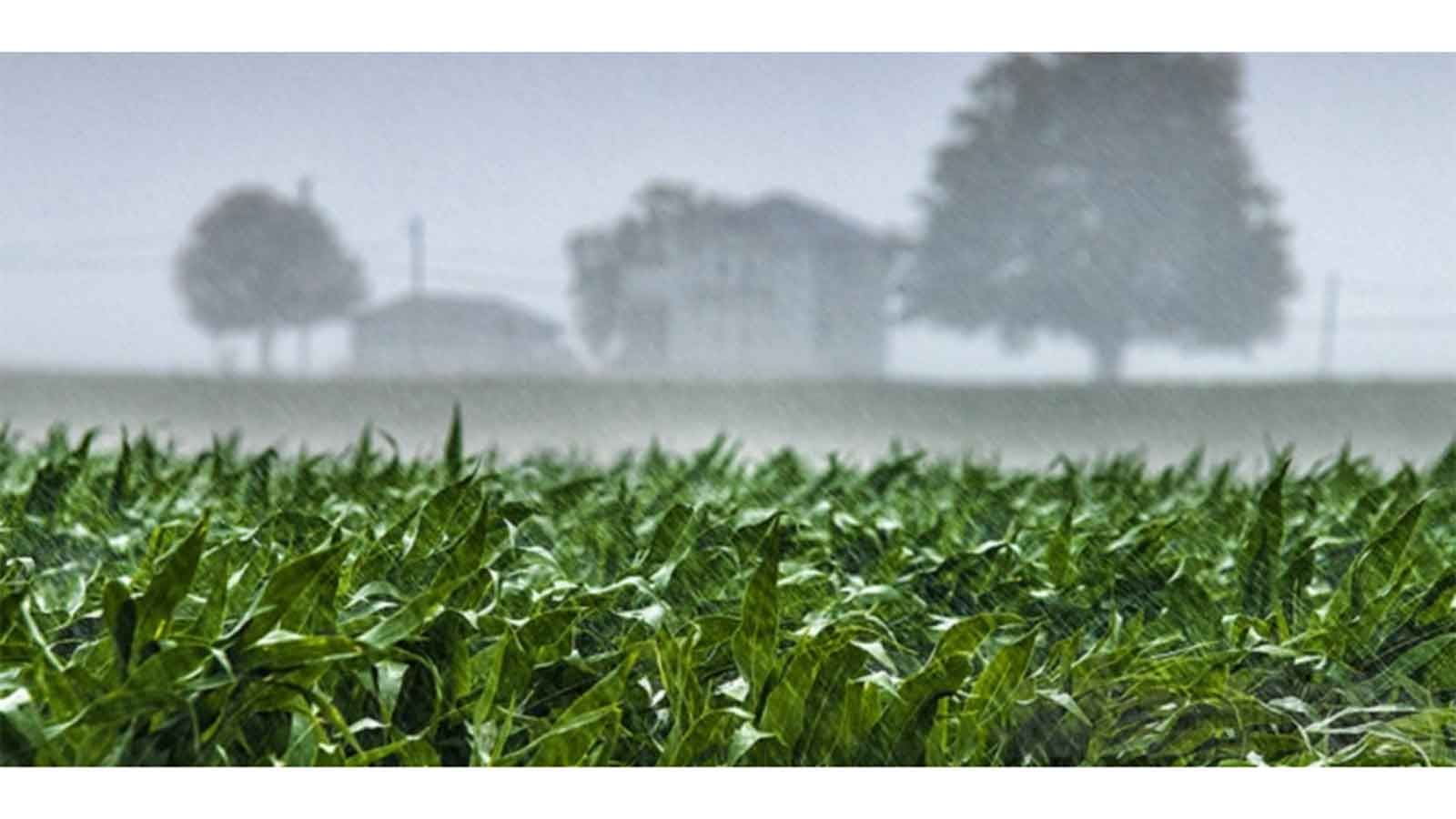
Raymond Jaravaza-Bulawayo Bureau
PROMISING maize and traditional grains crops at various stages across Zimbabwe have renewed hopes of a bumper harvest for communal farmers in the Matabeleland region and the Midlands Province, as most parts of the country continue to receive good rains.
The encouraging season has also seen the Government urging farmers to intensify planting and diversify crop production to maximise yields and boost national food security. This season, the country is targeting a total cereal output of 3,3 million tonnes.
Weather experts have projected that Zimbabwe’s 2025/2026 rainfall season will experience normal to above-normal rainfall following back-to-back La Niña conditions.
The favourable climate reflects the 2024/2025 summer cropping season, during which Zimbabwe achieved a bumper harvest, with maize and traditional grain production exceeding national requirements.
In Matabeleland North Province, farmers in Insuza, Umguza District, said the consistent rains received so far have provided critical moisture for crops, replenished water sources, improved soil health, and boosted pastures for livestock, raising optimism across farming communities.
Standing amid her lush maize crop in Dundubala, Mrs Siphethangani Ndebele said she staggered her planting to reduce the risk of losses should the rains become erratic.
“I planted my maize in two stages. The first crop, planted in early December, should be ready for harvest by the end of February,” she said.
Mrs Ndebele said she allocated most of her three hectares of communal land to maize, with sorghum planted on a smaller portion to spread risk and enhance food security.
Her neighbour, Mr Paul Mtisi, said farmers had initially feared a dry spell during the Christmas and New Year period, but the good rains have exceeded expectations.
“Every farmer worries when a promising season suddenly turns dry and destroys crops. The rains have remained good and if this continues for the next six weeks, we are guaranteed a good harvest,” he said.
A snap survey along the Bulawayo-Victoria Falls Road showed maize crops in good condition, with many fields flourishing. Some farmers have already applied fertiliser, while others are cultivating to control weeds and support crop growth.
Acting provincial Agricultural and Rural Development Advisory Services director Mr Mkhunjulelwa Ndlovu said pesticides had been dispatched and extension officers deployed.
“We have moved in swiftly to support farmers in Tsholotsho, Binga and Hwange to control the pests and protect their crops,” he said.
In Matabeleland South, the good rains have adequately supported the growth of crops, with the major cereal crops looking very good in most parts of the province.
Agricultural and Rural Development Advisory Services provincial director, Mrs Shupikai Sibanda, said the bulk of the traditional grains is at the booting stage.
“The late-planted crop is at the vegetative stage. The maize crop is in the late vegetative to sulking stages. The outlook is good and top dressing and planting of sugar beans are in progress,” she said.
“Most of the farmers are happy with the rains that they are receiving so far. All the districts are assured of a bumper harvest if the rainfall situation remains like this.”
Mrs Sibanda said while they haven’t received fall armyworm reports so far, farmers should remain on high alert and notify the relevant authority in the event of an outbreak.
Matabeleland South Provincial livestock specialist, Mr Hatitye Zondai, said pastures have also improved across the province.
“The current situation in Matabeleland South is looking good with the rains received so far, pastures have improved, water availability has increased, and livestock condition has also improved,” he said.
“There are significant water inflows in dams and other water sources, making it easier for livestock to access water. This, in turn, has reduced the risk of livestock deaths due to drought and water-related issues.”
He said farmers are optimistic, with some already planting fodder in preparation for the dry season.
In the Midlands Province, crops are also thriving following abundant rains coupled with timely Government support and sound advice from agricultural experts.
The consistent rainfall that has pounded the province, together with the early distribution of agricultural inputs, has enabled most farmers to plant early, particularly maize, raising optimism for a successful summer cropping season.
The Agricultural and Rural Development Authority (Arda) has set ambitious targets for the 2025/2026 summer cropping season in the Midlands Province, aiming to put 7,000 hectares under maize and 7,500 hectares under sorghum.
Under the maize programme, Arda anticipates a yield of 35,000 tonnes, while 22,500 tonnes of sorghum are projected.
As approved by Cabinet in 2023, Arda was designated the “food, feed, fibre and oil seeds security agent for the nation”, highlighting its central role in boosting agricultural productivity.
Improved production in the Midlands Province is expected to significantly contribute to the country’s Strategic Grain Reserve, playing a critical role in ensuring national food and nutrition security.
Midlands provincial director for Agricultural Rural Development and Advisory Services, Ms Busiso Mavankeni, commended farmers for heeding expert advice from land preparation through to planting.
“The crops in the Midlands Province are looking good as farmers took advantage of early rains to plant their crops, especially maize. Those on irrigation are also doing exceptionally well,” she said.
Ms Mavankeni urged farmers who are yet to do so to complete planting of sorghum and sunflower.
“The maize crop is performing well, including other cash crops such as peas. We, however, urge farmers to complete planting sorghum and sunflower,” she said.
Ms Mavankeni urged farmers to ensure their fields have adequate drainage channels to divert excess water and prevent waterlogging.
“Farmers are encouraged to practise conservation farming techniques such as minimum tillage and retaining crop residues to improve water infiltration,” she said.
On livestock production, Ms Mavankeni urged farmers to regularly dip their animals to control ticks that thrive during the rainy season.
The Summer Plan is anchored on the policy imperative to build forward better by producing sufficient cereals to achieve food security, replenish the Strategic Grain Reserve and strengthen resilience.
It also serves as the implementation tool for the Government’s Agriculture, Food Systems and Rural Transformation Strategy.
Under the Presidential Input Support Scheme, farmers received inputs such as seed and fertiliser, enabling them to fully utilise the favourable rainfall conditions
Permanent Secretary in the Ministry of Lands, Agriculture, Fisheries, Water and Rural Development, Professor Obert Jiri, said the outlook for both crops and livestock was highly encouraging.
“We are receiving good rains that are improving our crops. Indeed, we are heading for a bumper season. After our collective preparations, nature has also come to our side, as we are witnessing in the fields,” he said
“Moreover, livestock body condition is improving across the country as animals continue to have access to lush rain-fed grazing, but monocalcium supplementation should be practised.”
Chief director in the Directorate of Veterinary Services (DVS), Dr Pious Makaya, said the national herd was in good condition.
“Livestock is healthy countrywide and farmers are encouraged to adopt preventative methods such as regular dipping, vaccination and disease surveillance to preserve the national herd,” he said.
Reports from across the country indicate that favourable rainfall has supported strong crop performance and pasture growth, with most crops now at early to late vegetative stages.
Extension officers are continuing to guide farmers on crop management, pest control and conservation agriculture.
Nationally, the Government has launched the 2025/26 Summer Cropping Season Plan, targeting the planting of 1,8 million hectares of maize under the Presidential Inputs Scheme and other support programmes. In addition, 516,000 hectares of sorghum and 280,000 hectares of traditional grains are being targeted this season.