Online Reporter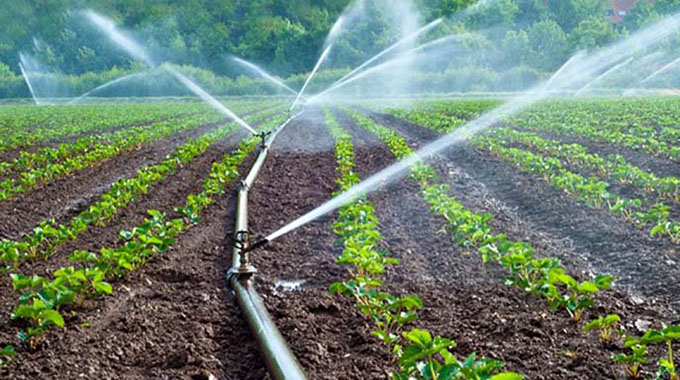
Ivan Zhakata recently in CHIVI
The Gororo Irrigation Scheme in Chivi South, established under the Climate Adaptation, Water and Energy Programme (CAWEP), has become a symbol of transformation in a district once synonymous with food shortages, as villagers now enjoy improved livelihoods powered by a reliable irrigation system that brings water directly to their homesteads.
Implemented by the Government in partnership with the United Nations Development Programme (UNDP) and the Foreign Commonwealth Development Organisation (FCDO), the three-year CAWEP project has enabled the development of a 50-hectare solar and electricity-powered irrigation scheme drawing water from Tugwi Mukosi Dam.
The scheme, launched in 2023, currently supports 76 farmers, including women, youths and persons with disabilities.
Chairperson of the Gororo Irrigation Scheme, Mr David Madzivire, said the project had restored dignity and hope for the community.
“We used to watch our crops wilt every season, but today we are proud producers. This irrigation has changed our lives,” he said.
“No one was displaced and the water comes straight to our homesteads. We are growing maize, wheat, sugar beans and chilli and the yields are impressive,” he said.
Villagers who once relied on food aid are now selling produce to nearby business centres, schools and surrounding communities.
One of the farmers, Mrs Getrude Madzana, said the scheme had ended years of uncertainty caused by recurrent droughts in Chivi.
“Before the irrigation, we lived in fear of hunger every year,” she said.
“Now I can feed my family and even sell the surplus. I have managed to pay school fees for my children and invest in livestock.”
Another beneficiary, Mrs Gloria Smart, described the scheme as a model of climate-resilient agriculture.
“The combination of solar and electricity makes water access reliable,” she said.
“Farmers are following good agronomic practices, and this has increased productivity. Chivi is no longer a dry region struggling with hunger but a productive agricultural zone.”
District development economist, Mrs Memory Tunde, hailed the project for contributing to the district’s economic revival.
“The scheme has improved household incomes and strengthened local markets,” she said.
“It is in line with national climate adaptation strategies and is showing tangible results. This is development that transforms communities from the ground up.”
Ward 8 village head, Sabhuku Douglas Nhamo (Mudzimba), said the irrigation had united the community.
“People here now work with pride because they see the benefits in their homes,” he said.
“There is food, there is income and there is peace in the community. Gororo is now known for production, not hunger.”
Agritex officer, Mrs Semai Napata, said the farmers’ commitment had been key to the scheme’s success.
“Their dedication makes our work easier,” she said.
“They follow advice, attend trainings and apply new techniques. This is why the yields are improving each season.”
As the CAWEP-support to Gororo Irrigation Scheme continues to flourish, many in Chivi South believe the project marks a turning point toward long-term food security and climate resilience.
What was once one of the most food-insecure parts of Masvingo Province has now emerged as a vibrant agricultural hub—proof that targeted climate adaptation initiatives can successfully transform livelihoods and restore hope.