

 Online Reporter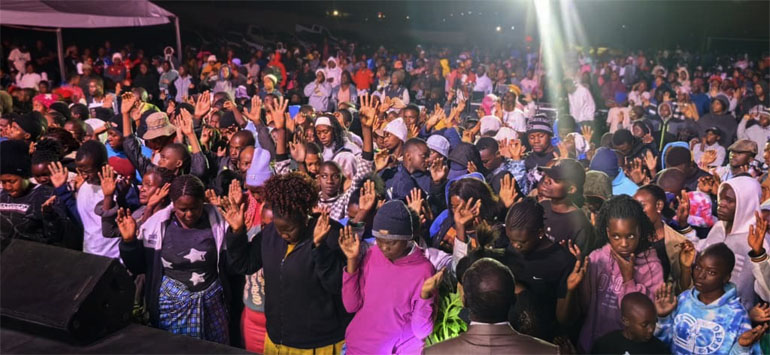
Samuel Kadungure
News Editor
THE Apostolic Faith Mission (AFM) of Zimbabwe has brought an expanded programme of evangelism, worship, and Christian teaching to Sakubva Primary School grounds in Mutare, seeking to connect spiritual renewal directly with the pressing social challenges confronting families and young people.
The weeklong which started on Monday and ends on Sunday, Firestorm Crusade and Conference, birthed in 2010 by Reverend Dr Kennedy Gangata, the Overseer of AFM of Zimbabwe, Manicaland South Province, has developed from a local gathering into a cross-border platform drawing ministers, believers, and visitors from across the continent.
Conceived out of a passion to drive both numerical and spiritual church growth, its central purpose remains winning souls, strengthening believers, raising disciples, and spreading the Gospel.

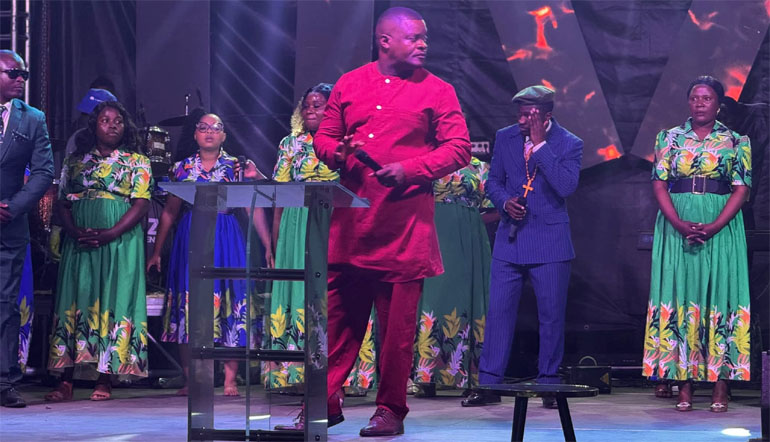
The current edition features a panel of international speakers, including Apostle Peter Kyengo from Kenya, Apostles Sergeo Likova and Innocencio Fernando Nota from Mozambique, Apostle Joseph Murimi, and Bishop Benjamin Pedro from Cape Town, South Africa.
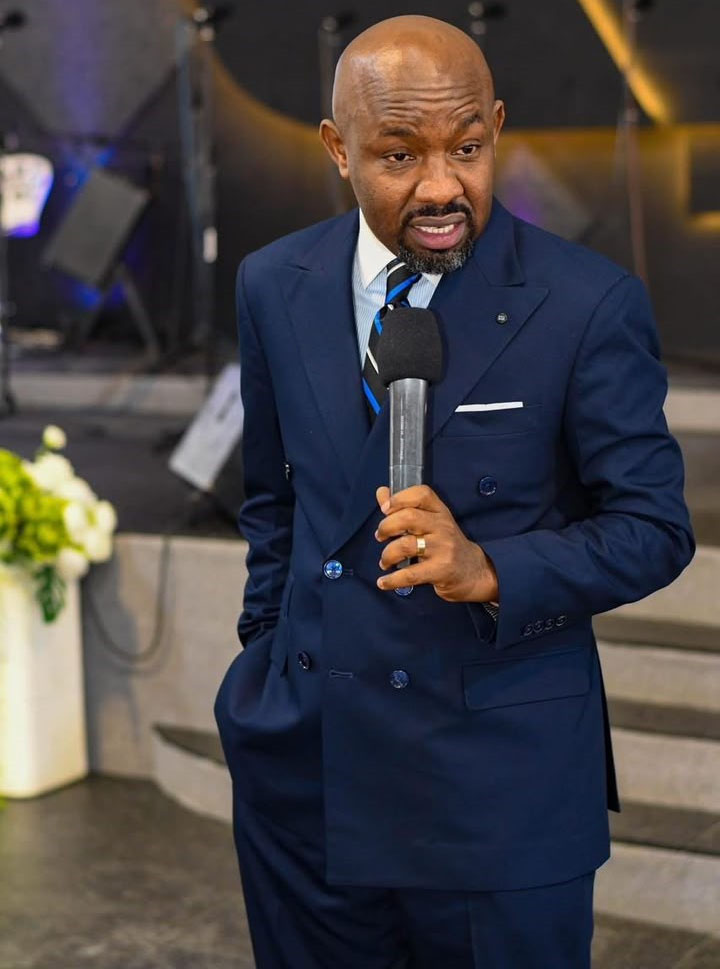
Overseer Gangata said the initiative is designed to deliver a positive spiritual impact on Mutare residents, offering an opportunity for those burdened by spiritual yokes to seek deliverance and encounter divine power.

“Firestorm began in 2010 at Sakubva Chisamba Ground in Mutare. As the vision continued to grow, the conference was later moved to Sakubva Beit Hall, where it continued until 2022. From 2022, Firestorm found a new home at Sakubva Primary School grounds, where the conference has continued to expand in reach and influence. Over the years, Firestorm has attracted ministers, believers and visitors from beyond Zimbabwe, with participation extending to nations including Mozambique, South Africa, Botswana, Angola and Kenya,” said Overseer Gangata.
The evolution of the initiative reflects the evolving role religious institutions play in communities where spiritual concerns closely intersect with socio-economic pressures.

For many local families, matters of faith are inseparable from personal responsibility, family dynamics, parenting, and youth conduct.
In Sakubva and surrounding high-density suburbs, households regularly confront pressures tied to domestic violence, malicious damage to property, early marriages, teenage pregnancies, and widespread drug and substance abuse. These challenges directly threaten household stability, educational continuity, and economic security.
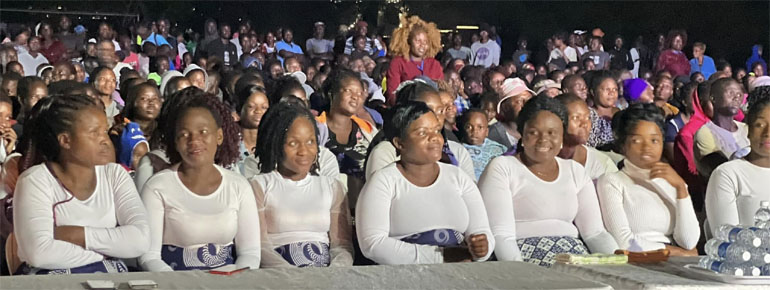
Against this backdrop, the church’s intervention extends beyond the pulpit when spiritual teaching is paired with counselling, mentorship, and family-focused engagement. By bringing parents, children, and youth together in a shared space, the platform fosters crucial dialogue around peaceful coexistence and core family values.
The church’s role is not to replace Government institutions, schools, health providers, or law enforcement, but to complement them.
Religious organisations leverage their grassroots networks and trusted community ties to encourage positive behavioural shifts and offer moral support to vulnerable individuals.
Drug and substance abuse remains a critical concern across Mutare, particularly where youth encounter unemployment, idle peer pressure, and limited economic avenues. In response, the church has partnered with State agencies to reinforce national anti-addiction strategies through targeted preaching, counselling, and moral education.
Through the youth-centred activities, faith institutions aim to nurture a generation that is morally responsible, intellectually grounded, and prepared to participate constructively in national development.
Sakubva residents noted that large-scale religious gatherings offer safe, constructive alternatives for young people while encouraging family cohesion.
“When the crusade takes place here, you can feel the difference in the atmosphere across Sakubva. In a hood where domestic conflicts and substance abuse frequently destroy homes, seeing families gather together to seek guidance brings real hope. The messages on responsibility and peaceful co-existence help reduce friction in our households and remind parents of their duty to guide their children properly,” said a resident, Mrs Tendai Machingura.
Another resident, Mr Farai Chigumira, emphasised the necessity of civic-faith partnerships in curbing juvenile delinquency.
“The Government cannot fight issues like drug abuse and youth violence alone. When the church steps directly onto the grounds where our youth spend their days and preaches self-discipline, respect and hard work, it actively protects our neighbourhood. It gives young people who were slipping into addiction or crime a second chance to reform and become responsible citizens” said Mr Chigumira.
Despite these community benefits, Overseer Gangata stressed that social interventions remain secondary to the crusade’s primary evangelical mandate.
“The primary focus of the crusade is salvation. While God heals the sick, delivers the oppressed and performs miracles, these are secondary to the central message of eternal life through Jesus Christ,” he said, noting that previous editions recorded numerous testimonies of physical healing and personal restoration.
Featuring evening crusades, leadership conferences, youth sessions, and virtual broadcasts, the choice of Sakubva Primary School grounds places the church directly within the community it serves.
Overseer Gangata reaffirmed the church’s commitment to supporting good governance, national peace, and ethical leadership through prayer and moral guidance, adding that faith offers believers assurance and resilience amid societal hardships.
Ultimately, the enduring impact of the Firestorm initiative will be measured not merely by physical attendance or regional reach, but by the tangible values and lasting transformations participants bring back into their homes and neighbourhoods.


 Bongani Ndlovu