Online Reporter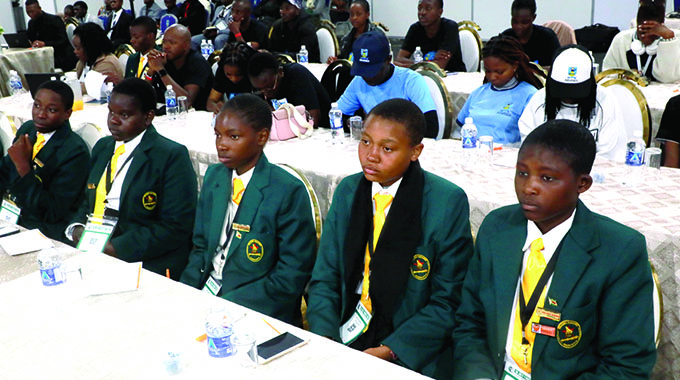
Sikhumbuzo Moyo, Zimpapers Writer
GOVERNMENT has urged accelerated collaboration between academia and industry through tapping into research and innovation-driven solutions that boost the country’s economy and foster sustainable development.
In his keynote address at the official opening of the Scholastica Expo in Bulawayo yesterday, Higher and Tertiary Education, Innovation, Science and Technology Development Minister, Dr Frederick Shava, who was represented by Skills Audit and Development Minister, Professor Paul Mavima, said the time has come when innovation and technology must meet the demands of the rapidly evolving local and global economy.
With five years left before Zimbabwe meets its Vision 2030 target, Dr Shava said Zimbabwe’s National Development Strategy (NDS1 2021-2025) was riding on the Heritage-Based Education 5.0 as an enabler to achieving an empowered and prosperous upper-middle-income society goal.

In doing so, he said Zimbabwe has embraced modern technology, including the adoption of artificial intelligence (AI) based platforms that are solving digital challenges and enhancing business operations.
“These innovations are enhancing business operations and the ease of doing business. A good education system produces innovators, entrepreneurs, and solution-providers who can address local challenges with local solutions, ultimately contributing to national development,” said Dr Shava.
“We must teach our youth to appreciate the economic value in our traditions, our natural resources and our unique cultural expressions. Our universities and colleges must be agile, responsive and deeply connected to the needs of the market.
“This means fostering stronger partnerships, promoting applied research and ensuring our graduates possess not just theoretical knowledge, but practical, job-ready skills.”
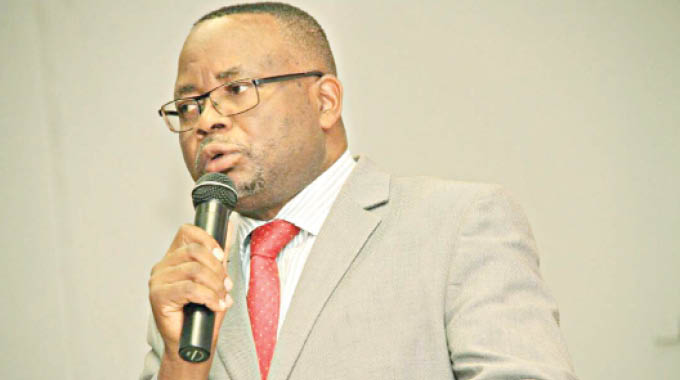
Amb Shava said the conversation on the role of heritage-based education in cultivating economic resilience is crucial as it underscores the country’s heritage, not just a relic of the past, but a living wellspring of knowledge and inspiration for sustainable economic development.
He stressed the need to draw lessons from the People’s Republic of China’s success in cultivating economic resilience through heritage-based education.
“They have achieved this by actively investing in cultural tourism and the preservation of historical sites and traditional villages, transforming them into modern creative industries,” said Dr Shava.
“Areas like Tianjin demonstrate how meticulous preservation can lead to thriving local economies.”
Dr Shava said China has effectively used technology to digitise and promote its heritage, opening new economic avenues in digital content and virtual tourism, while empowering local communities to identify and leverage their unique natural and cultural assets for eco-tourism and specialised agricultural products.
He said such a holistic approach emphasises teaching practical skills, encouraging entrepreneurship, fostering innovation by blending tradition with modernity and empowering communities to benefit directly from their heritage, recognising cultural identity as a powerful economic differentiator.
“Zimbabwe can learn significantly from China’s experience and apply these principles to its education system. With our rich cultural tapestry, abundant natural resources and strong traditional practices, Zimbabwe can strengthen the application of Heritage-Based Education 5.0 Curriculum by focusing on practical, skills-based learning that directly links to economic opportunities,” said Amb Shava.
To achieve this, he said, Zimbabwe must invest in vocational training and entrepreneurship programmes rooted in traditional Zimbabwean crafts, arts, and resource management, such as traditional pottery, basket weaving, indigenous farming techniques, traditional music and dance for tourism.
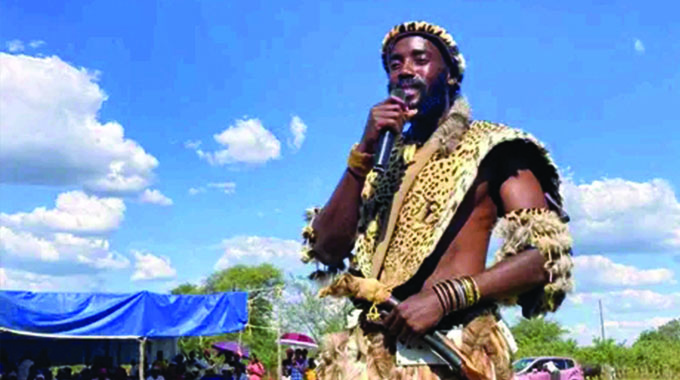
Earlier, during a discussion session, Chief Dakamela from Nkayi said Zimbabweans must redefine themselves by being proud of their culture and heritage if they are to realise any meaningful development.
He was one of the two panellists on the topic: “Beyond the relics: How heritage-based education cultivates economic resilience.”
“Other nations like China and Britain are so particular about their culture and heritage; everything they do aligns with their culture, they do not make a mistake about that,” said the young chief.
“If you look at us now, we are presenting on heritage, but look at what everyone is putting on, it’s all because the British invested so much in their heritage and culture.”
Chief Dakamela expressed satisfaction with the Heritage-Based Curriculum, describing it as a good thing that will help in the preservation of the nation’s heritage and culture.
“I am happy that conversations around heritage and culture are starting to emerge because I think that is where we were losing it as a country,” said Chief Dakamela.
The Zimbabwe International Trade Fair (ZITF) Company is hosting the event under the theme: “Empowering Future Generations Through Heritage-Based Education and Innovation”.