Online Reporter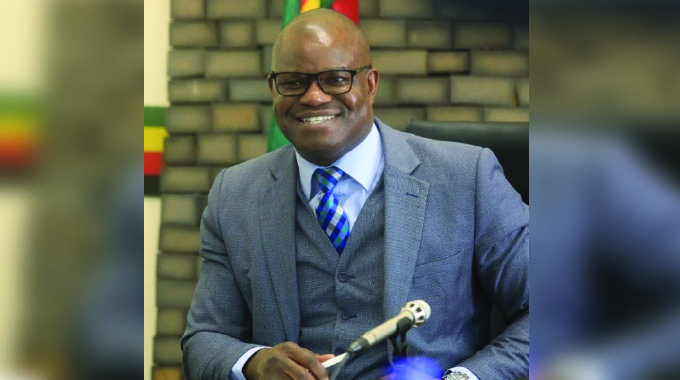
Sukulwenkosi Dube-Matutu, [email protected]
GOVERNMENT has expressed satisfaction with progress in the ongoing Gukurahundi hearings in Matabeleland region and has appealed to affected families to participate freely in the exercise to bring the matter to closure and achieve lasting reconciliation and healing, which are crucial for national development.
Traditional leaders, led by Chiefs Council of Zimbabwe president, Chief Mtshane Khumalo, are leading the hearings, which commenced three weeks ago and had reached out to nearly 200 victims as of last week Thursday.
Permanent Secretary in the Ministry of Information, Publicity and Broadcasting Services, Mr Nick Mangwana, said that Government is committed to ensuring that no one in the affected communities is left behind during this process.
He said the successful implementation of the Gukurahundi hearings was crucial to the nation’s development agenda and fostering unity, adding that the concerned communities should submit their input without fear.
“The work is being done well in the communities by community leaders who are the chiefs,” said Mr Mangwana in an interview on the sidelines of the African Anti-Corruption Day Commemoration held in Gwanda on Friday.
“I urge community members to feel free and take part in this exercise as their input is crucial to this programme. Reconciliation and healing is key in the nation’s development agenda.”
Mr Mangwana said Government was determined to ensure regular updates are issued give the public adequate information on progress made and the responses derived from the ground.
“By giving that response it also encourages those who are hesitant to come out. If people hear that some people have come forth to take part in the interviews they will also feel encouraged to also come forth as victims and share their stories,” he said.
“People are taking part in the hearings and nothing is happening to them. We continue to encourage people to come out so that no one is left behind,” he said.
In an earlier update in which he shared recent figures, Mr Mangwana, stated that the community-based hearings are progressing smoothly with chiefs and their communities actively documenting experiences from the historic civil strife.
In Matabeleland North, a total of 40 interviews had been completed as of last week Thursday. Chief Magama of Tsholotsho has led the way with 13 interviews, while Chief Nkalakatha of Nkayi has facilitated 10 interviews.
Chief Sinampande of Binga had conducted seven interviews, while Chief Ndondo of Mbembesi and Chief Silachilaba, also from Binga, had each completed five interviews in their respective areas.
According to the figures availed, Matabeleland South Province had shown a particularly high level of engagement, with a combined total of 127 interviews conducted.
Chief Masendu of Bulilima stood out, having overseen a remarkable 83 interviews. Following him is Chief Hobodo of Mangwe District, who had conducted 22 interviews with Chief Manguba of Bulilima, completing 12, while Chief Nhlamba of Gwanda had facilitated 10 interviews.
Last week Chief Mtshane said his teams were busy on the ground and hope more ground will continue to be covered going forward.
The statistics exhibit tangible progress in the Gukurahundi hearings, which directly counters the sabotage efforts by some opposition political parties and their sympathisers who had earlier urged victims to boycott the process.
Observers have said the active participation of 170 victims, particularly the strong turnout under Chief Masendu, demonstrates a significant level of community buy-in and a willingness among affected individuals to come forward and share their experiences, despite the calls for non-cooperation from some quarters.
The progress recorded so far indicates that the traditional leadership-led approach is gaining traction on the ground, signaling a notable step forward in the long awaited national healing and reconciliation initiative.
The initiative, spearheaded by President Mnangagwa’s Second Republic, seeks to address and bring closure to post independence disturbances that rocked Matabeleland and parts of the Midlands Province in the 1980s.
In May, Matabeleland chiefs launched a critical outreach programme, engaging with headmen and village heads across their jurisdictions, marking a significant step towards the Gukurahundi public hearings.
The outreach was aimed at briefing fellow traditional leaders on the upcoming hearings. President Mnangagwa entrusted traditional leaders with leading the process of addressing the Gukurahundi issue as part of broader national healing efforts.
The President officially launched the Gukurahundi public hearings programme last July, which was followed by a robust programme to empower traditional leaders to conduct the hearings.
Initiated in February 2019, the Government’s approach seeks to resolve the Gukurahundi issue through an internal, home-grown process that reinforces national unity. The Second Republic has demonstrated a strong commitment to facilitating a healing process that brings closure to past conflicts, aligning with the President’s vision of nation-building and fostering unity.