


 malvernmugadzikwa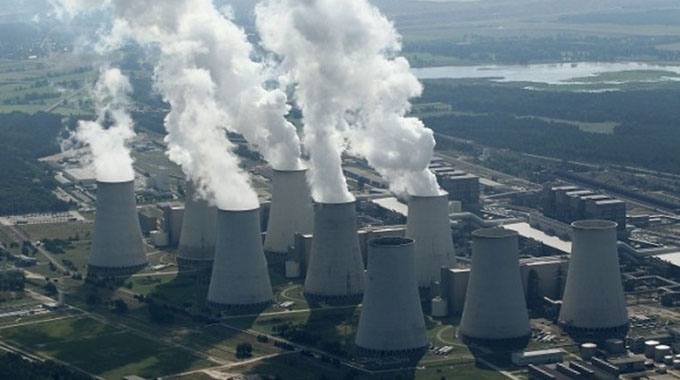
Government embarks on development of Hwange Units 9 and 10 to meet electricity demand
Michael Tome
Government has embarked on the development of Hwange Units 9 and 10 as part of efforts to meet the country’s energy requirements.
This comes as the country’s electricity demand is projected to reach circa 5 177 megawatts by 2030 on the backdrop of the anticipated growth of productive sectors.
As it stands, Hwange and Kariba have an installed capacity of 1 520 megawatts and 1 050 megawatts respectively.
Electricity generation at Lake Kariba recently took a downturn after water levels decreased due to drought during the 2023–2024 season.
During an Annual General Meeting in June, Zimbabwe Energy Regulatory Authority (ZERA) chairman Dr David Madzikanda said the water levels at Kariba had depleted significantly and indicated a generation of less than 220 gigawatts from its total potential.
As such, water allotment for electricity production is poised to stay at 16 billion cubic metres (BCM) through 2024, providing for a combined annual average power production of 428 megawatts between Zimbabwe and Zambia.
“Government has started the development of Hwange Units 9 and 10 that will underwrite the country’s base load and energy mix,” said Finance, Economic Development, and Investment Promotion Minister, Professor Mthuli Ncube while presenting the 2025 budget strategy paper.
“In line with the medium-term growth projections, the country’s electricity demand will continue to grow up to 5 177 MW by 2030, driven primarily by increasing demand from productive sectors such as mining, manufacturing, agriculture, as well as the growth of household consumption.”
Further investments to meet the growing electricity demand will be scaled up, as well as maintenance and refurbishment of existing power generation units.
The US$1,5 billion thermal power plant was completed and commissioned early last year. The plant added a combined 600 megawatts to the national grid.


 Bongani Ndlovu
 Online Reporter