Chronicle Editor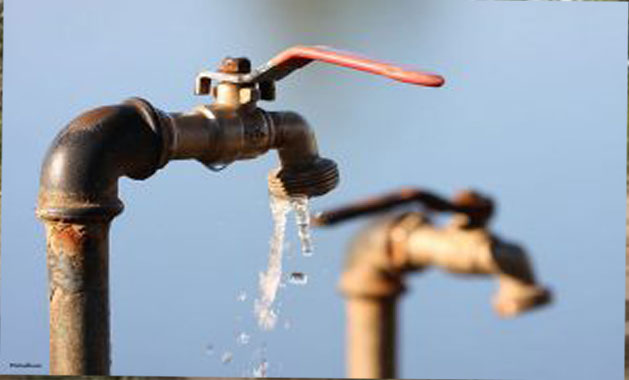
Sukulwenkosi Dube-Matutu, Chronicle Reporter
GOVERNMENT has over the years enhanced access to improved water for communities in the rural areas, a report has revealed.
According to the Zimbabwe Vulnerability Assessment Committee (ZimVAC) 2021 Rural Livelihoods Assessment Report almost all provinces recorded an increase in the access to improved water this year compared to last year.
Improved drinking water sources are defined by the quality of water they produce and are protected from faecal contamination by the nature of the construction or through an intervention to protect them from outside contamination.
Such sources include: piped water into dwelling, plot or yard, public tap/stand pipe, tube well/boreholes, protected dug well, protected spring or rainwater collection. This category now includes packaged and delivered water, considering that both can potentially deliver safe water.
There was also an increase in the proportion of households accessing basic drinking water from 60 percent last year to 66 percent.
“Government is applauded on ensuring high access to improved water in the rural areas of Zimbabwe. Mashonaland East had the highest proportion of households with access to improved water with 85 percent while Masvingo had the least proportion with 72 percent.
“Access to consumptive water is a human right issue which is well respected by Government. At national level more than 85 percent of the households reported having adequate water for cooking, drinking personal hygiene and other domestic needs,” read the report.
The report further showed that Matabeleland South had the highest proportion of households accessing surface water services though it decreased from 21 percent in 2020 to 16 percent.
Surface water refers to drinking water directly from a river, dam, lake, pond stream, canal or irrigation channel.
The report shows that fewer households now have to walk long distances to reach water points and people are now spending lesser time queuing for water.
“84 percent of households travel less that one kilometre to access water. Almost all provinces recorded a decrease in households that travel more that one kilometre when compared to the previous year. Over 95 percent of the households spent less than an hour queuing for water with 85 percent accessing their water in less than 30 minutes.
“Generally the role of fetching water was mostly performed by adult women. Matabeleland South Province had the highest proportion of households with men performing the role of fetching water for cooking and drinking,” read the report.-@DubeMatutu


 Online Reporter