Sikhumbuzo Moyo, [email protected]
THE Government has increased the Zimbabwe School Examinations Council (Zimsec) examination subsidy to ZiG1,4 billion for 2027, but is shifting from universal support to a targeted framework benefiting learners in rural and satellite schools.
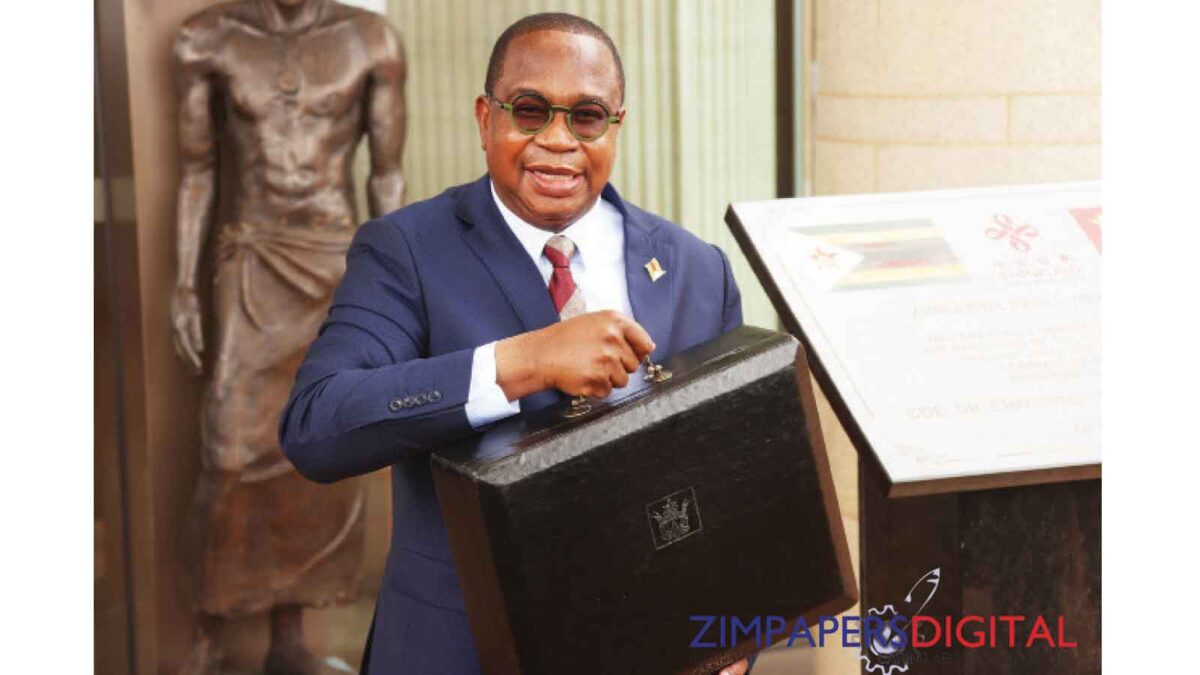
The allocation, announced by Finance Minister Professor Mthuli Ncube during his 2027 National Budget presentation on Thursday, represents a significant increase from the US$29 million allocated for 2026, but comes with a policy change that will see urban school candidates excluded from the revised subsidy framework.
Under the new arrangement, Government will subsidise examination fees for candidates in rural primary and secondary schools, as well as satellite schools, as it seeks to direct public resources towards learners considered most in need of assistance.
The shift could leave thousands of families in urban schools having to shoulder examination fees previously covered under the Government’s across-the-board subsidy programme.
Last year’s allocation benefited an estimated 550 000 learners from the three examinable classes in the education system.
Professor Ncube said the revised framework was aimed at promoting inclusivity, equity and sustainability while ensuring that Government support reached learners who needed it most.
“While the 2027 Budget prioritises the progressive clearance of outstanding ZIMSEC obligations, going forward, the support will be provided under the revised ZIMSEC Examination Subsidy Framework.
“The new Framework only targets school candidates in rural primary and secondary schools, as well as in satellite schools. The shift from the current across-the-board framework to a targeted approach seeks to ensure inclusivity, equity and sustainability. In this regard, ZiG1,4 billion has been allocated towards the ZIMSEC subsidy in 2027,” he said.
The increased allocation comes as Government seeks to strengthen education financing in line with the National Development Strategy 2 (NDS2) and Vision 2030, which identifies human capital development as a key pillar of national development.
Beyond examination fees, Treasury has also allocated ZiG800 million towards teaching and learning materials for an estimated 2,8 million learners, in a move expected to improve access to essential educational resources.
Government has also set aside ZiG400 million for sanitary wear targeting at least one million female learners to address menstrual health challenges that can affect school attendance and participation.
The School Feeding Programme has received a major boost, with ZiG1 billion allocated for 2027, up from ZiG75 million disbursed in 2026 for approximately 60 000 learners.
The increased allocation is expected to strengthen school nutrition interventions, particularly among learners from vulnerable households, with improved nutrition regarded as critical to attendance, retention and concentration in class.
“Government recognises that access to education extends beyond the provision of classroom infrastructure, rather, it encompasses the welfare, dignity and nutritional needs of learners,” said Professor Ncube.
He said the School Feeding Programme and provision of sanitary wear remained important instruments in improving school attendance, learner retention and participation.
The allocations form part of Government’s broader strategy to strengthen education delivery through improved financing, infrastructure development and access to essential learning resources.
Professor Ncube said Treasury would place greater emphasis on ensuring that public expenditure translated into tangible improvements in access to education and learning outcomes.