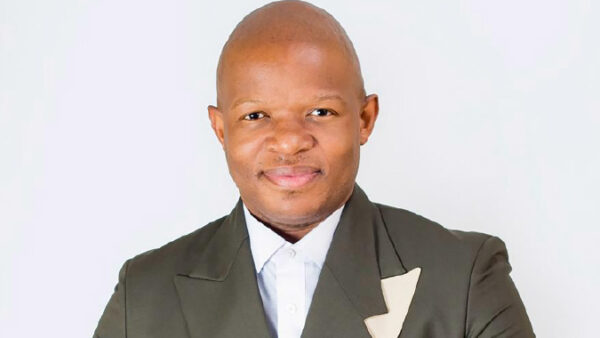
Innocent Kurira, [email protected]
HIGHLANDERS’ centenary celebrations were meant to honour a century of football history, but behind the milestone, a dispute over unpaid player salaries was gathering momentum, eventually drawing in the Footballers Union of Zimbabwe (FUZ) and the Premier Soccer League (PSL).
The correspondence between the parties from November 13 to 19 reveals how a matter that FUZ says it had been pursuing since April developed into a confrontation that threatened to disrupt Highlanders’ league commitments.
At the heart of the dispute was an issue the club eventually put beyond doubt, it owed its players money.
But while Highlanders insisted it was making efforts to settle the arrears, FUZ argued that promises and occasional payments could no longer sustain the relationship.
The first formal warning in this latest exchange came on November 13, when FUZ wrote to Highlanders chairman Kindman Ndlovu demanding payment of outstanding salaries and signing-on fees for players registered during the 2026 season.
The union said it had formally engaged the club on April 22 and had since held telephone discussions and exchanged emails during which Highlanders repeatedly promised to clear the arrears.
Although FUZ acknowledged that some payments had been made, it said substantial amounts remained outstanding. It also raised the issue of former players who were allegedly still owed money and accused the club leadership of repeatedly failing to attend scheduled Labour Court hearings.

The union gave Highlanders seven days to settle the outstanding amounts, warning that it reserved the right to withdraw its members from competitions if payment was not made.
Three days later, the dispute moved to the PSL.
In a November 16 letter to league chief executive Rodwell Thabe, FUZ notified the league that its members would withdraw labour from Highlanders fixtures with effect from November 20 unless the outstanding obligations were addressed.
The union expanded its concerns to include alleged failures to provide contractual medical cover and injury insurance, alongside unpaid salaries, signing-on fees and former players’ arrears.
It asked the PSL to suspend Highlanders’ upcoming fixtures.
Highlanders responded on November 17 through chief executive officer Denzil Mnkandla, acknowledging the club’s financial obligations and promising to work towards a resolution.
“The Club acknowledges its financial obligations to the affected players and wishes to assure the Footballers Union of Zimbabwe (FUZ) that it remains fully committed to honouring these obligations,” Mnkandla wrote.
He said management was “actively working towards mobilising the necessary resources” to facilitate settlement. The club also recognised the players’ concerns, acknowledging previous industrial action over unpaid payments and other grievances.
“The current financial challenges facing the Club do not diminish our commitment to the welfare of our players or our contractual responsibilities,” Mnkandla added.
However, the response offered no specific payment date or binding repayment schedule.
That became the sticking point.
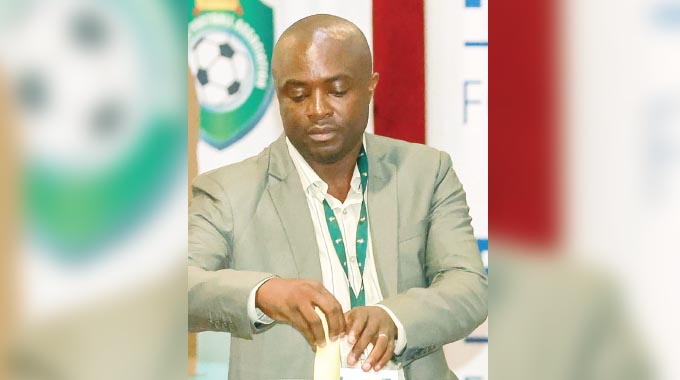
FUZ’s November 19 rejoinder questioned the value of assurances that did not come with concrete commitments.
“Phrases such as ‘mobilising resources’ and settling obligations ‘as resources become available’ do not constitute a binding remedy,” the union argued.
It said its members had endured prolonged financial distress and could not continue rendering services on indefinite assurances.
The PSL, meanwhile, had initially decided that the league programme should continue.
In a November 18 response, Thabe said the league had engaged Highlanders and noted that the club acknowledged its obligations and was engaging its players.
The PSL said Highlanders had expressed its intention to maintain open channels of communication with FUZ and the players. “In appreciation of this position we will be proceeding with the Castle Lager PSL Matchday 34 fixtures as scheduled,” Thabe wrote.
FUZ challenged that decision the following day, arguing that the league had relied on a general expression of goodwill despite the absence of payment dates, financial commitments or proof of reinstated medical cover.
But it was Highlanders’ detailed November 19 response that brought the club’s financial position into sharper focus.
Mnkandla acknowledged that Highlanders owed three months’ salaries to current playing staff, in addition to outstanding signing-on fees.
The club, however, disputed FUZ’s portrayal of the payment history, saying individual players had received salary advances ranging between US$1 200 and US$1 500 during the season.
“These payments were made in good faith, with the intention of alleviating the financial difficulties experienced by the players while the Club continued to mobilise resources,” Mnkandla said.
Highlanders also turned the spotlight on the players’ responsibilities, questioning FUZ’s position on repeated industrial action which the club said had disrupted training programmes, preparations and scheduled football activities.
“The employment relationship is reciprocal,” Mnkandla wrote, arguing that players were equally expected to fulfil their contractual duties and maintain professional discipline.
On medical cover, the club rejected FUZ’s allegations, saying it had an established partnership with Corporate 24 structured to provide medical aid and injury insurance. It challenged the union to identify the specific deficiencies it believed existed.
The club nevertheless acknowledged that former players’ outstanding obligations remained matters requiring attention.
FUZ was not persuaded by the detailed response.
In its final rejoinder on November 19, the union delivered one of the sharpest lines in the entire exchange: “Length is not a substitute for substance.”
It argued that despite the club’s lengthy explanation, there was still no concrete payment date, immediate good-faith payment or binding schedule.
“Goodwill has been exhausted,” FUZ declared, as it set out the conditions it wanted met before players proceeded with travel arrangements scheduled for November 20.
These included an upfront payment, a binding repayment plan covering current and former players, submission of the agreement to the PSL for validation and proof of active medical insurance.
The union warned that players would not proceed with the team’s activated travel arrangements unless those conditions were met.
And there lay the wider significance of the dispute.
Highlanders were marking 100 years of existence, a milestone that should have been defined by celebration of the club’s history and contribution to Zimbabwean football. Instead, the correspondence exposed the financial pressures behind the centenary season and the challenge of balancing institutional responsibilities with the welfare of the players representing the badge.
The letters also reveal that this was no longer simply a disagreement over whether money was owed. Highlanders admitted its obligations and pointed to salary advances and efforts to mobilise resources. FUZ accepted that advances had been made but insisted they did not resolve the outstanding contractual payments.
The club wanted continued engagement and players to fulfil their duties. The union wanted immediate action and guarantees before normal activities resumed.
Between those competing positions stood the PSL, now drawn into a dispute with implications beyond the club’s boardroom.
For a club celebrating a century of existence, the challenge was no longer just about protecting its place in football history. It was also about finding a way to resolve a dispute with its own players before the crisis overshadowed the celebrations.