Online Reporter
Andile Tshuma Zimpapers Reporter
GOVERNMENT is seeking to integrate Zimbabwe’s creative sector more firmly into the productive economy, with a focus on opening international markets for artists and turning locally produced cultural works into viable sources of export earnings.
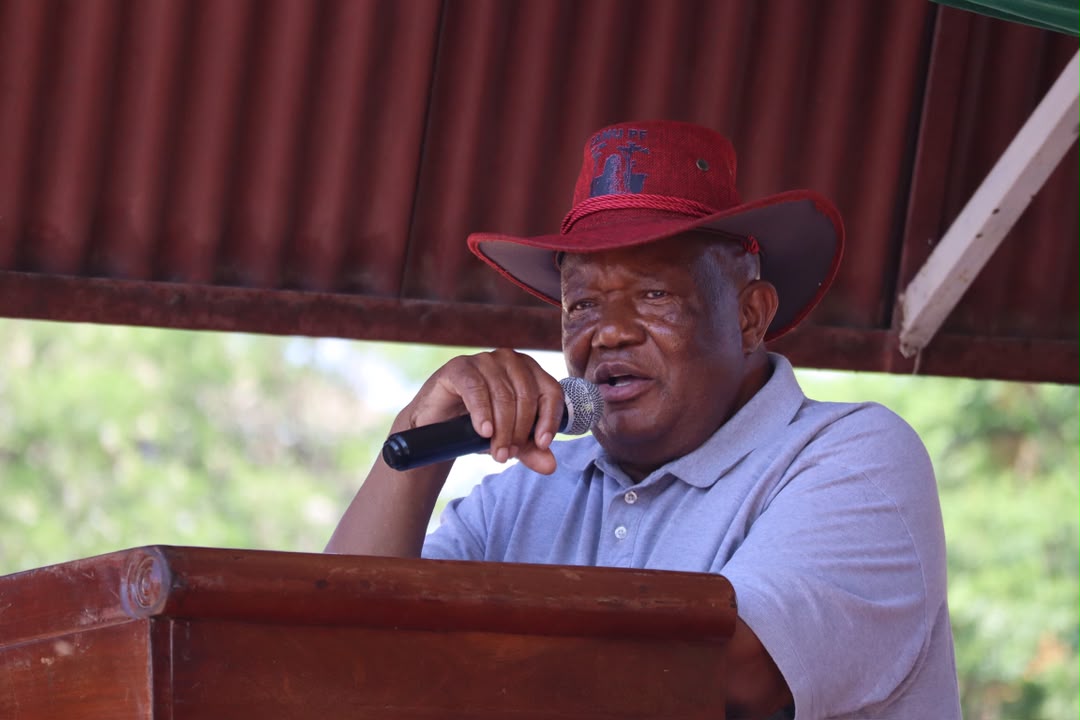
Speaking on the sidelines of Birds of Zimbabwe Exhibition at Kori Studio in Ilanda, Bulawayo, on Friday, Deputy Minister of Finance, Economic Development and Investment Promotion, Cde David Kudakwashe Mnangagwa, said Zimbabwe’s creative talent presented an opportunity to diversify foreign currency earnings while generating employment, particularly for young people.
He said sculptures, paintings and other cultural works could be developed into export products.
“The artifacts, sculpts and paintings are potential exports, which can bring earnings into the economy and give livelihoods to our young people,” said Deputy Minister Mnangagwa.
He said creating an enabling environment for the creative sector was necessary if its contribution to the wider economy was to increase.
“So, we need to create a conducive and necessary environment to allow the arts industry to thrive. The creative economy is an important subsector within our grand economic scheme and architecture,” said Deputy Minister Mnangagwa.
He said greater efforts were needed to connect Zimbabwean artists with buyers outside the country, where their work could access larger markets.
“I mean, we need to bridge the gap between our artists and the global markets,” said the Deputy Minister.
He said the process should involve young people with complementary skills in technology, marketing and public relations working alongside artists to improve the packaging, promotion and distribution of creative products.
“What that means is that we need to have our enterprising young people, whether in IT or in marketing and PR, to join hands with artists.”
“Sometimes those who are confined to specific fields might not have the necessary tools. So, opportunities to close that loop and that ecosystem allows us as Zimbabweans to showcase everything that we have,” said Deputy Minister Mnangagwa.
He said Zimbabwe’s skilled people, including those working in the creative industries, represented an important economic resource.
“The biggest resource we have as a country is not our natural resources, but our human capital. This should include both the creative abilities of Zimbabweans and their intellectual capital,” said Deputy Minister Mnangagwa.
The push to grow the creative economy comes as Zimbabwe seeks to diversify its export base and develop additional sources of foreign currency.
Unesco data shows that cultural and creative activities contributed 0,9 percent of Zimbabwe’s Gross Domestic Product in 2023, while cultural goods accounted for 0,1 percent of the country’s total goods exports in 2024.
The figures point to a sector with scope for expansion through greater commercialisation, market access and investment.
The question of protecting the value created by artists is also becoming increasingly important as local creative products move into wider markets.
Lawyer Nkosiyabo Sibanda of Tanaka Law Chambers addressed artists on intellectual property rights during the exhibition.
His contribution highlighted the legal dimension of developing a sustainable creative economy, particularly as artists seek to commercialise their work and reach international markets.
Artists who showcased their works at Kori Studio used painting and stone sculpture to interpret Zimbabwean heritage.
Kori Studio, established about two months ago, operates from the upmarket Kori Studio Café in Ilanda, giving artists access to a ready market of art lovers, restaurant patrons and tourists.
Among the exhibitors was Sikhulile Sibanda, the only female exhibitor who used stone sculpture to explore the relationship between women, birds and the spiritual realm.
“For me, the birds speak to the spiritual connection that women have had with the spiritual realm throughout history. Women have often been seen as guiding spirits, and through these sculptures I wanted to explore that relationship and bring it into the conversation through art,” she said.
Kori Studio chief executive officer Dr Tadiwa Muganyi said the initiative was intended to help address gaps in the creative sector while creating opportunities for young people.
Bulawayo City Council Finance and Development Committee chairperson Councillor Mpumelelo Moyo said the creative sector could contribute significantly to economic development.
The Government’s approach places the creative economy within the broader effort to develop new sources of income from Zimbabwean skills, intellectual capital and cultural assets.