Online Reporter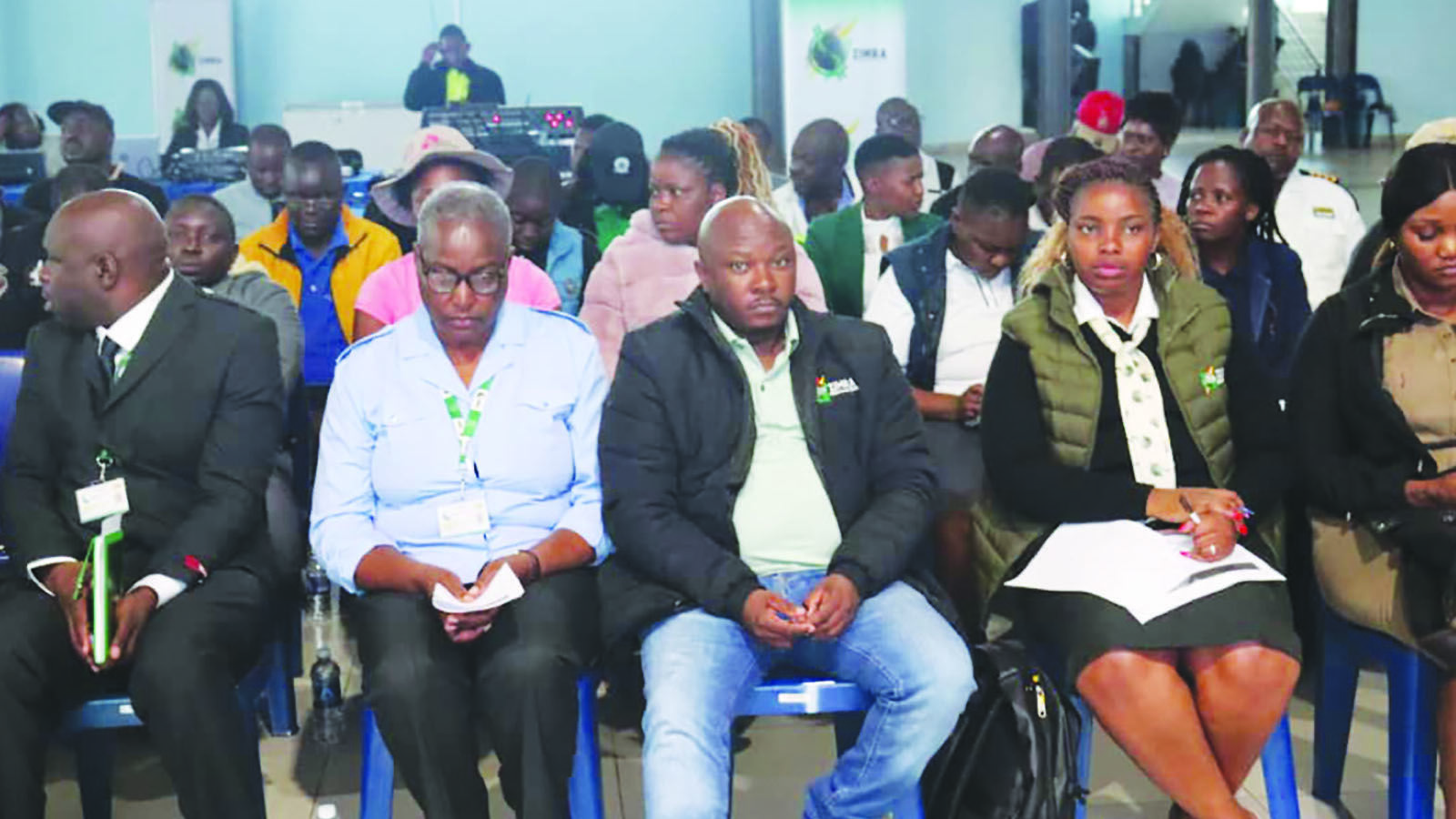
Thupeyo Muleya, Beitbridge Bureau
THE Government has adopted a raft of measures to mobilise resources locally through the enforcement of domestic taxes that promote the ease of doing business and lay a foundation for national economic growth, a senior Government official has said.
Deputy Director for Advocacy and Communication in the Ministry of Finance, Economic Development and Investment Promotion, Mr Cletus Munhande, said this in Beitbridge yesterday during the rollout of a nationwide tax education programme.
The initiative, running under the theme: “My Tax Works: See the Change in Your Community”, aims to raise awareness on the importance of domestic taxes in driving national development.
The programme is being implemented in partnership with Zimbabwe Revenue Authority (Zimra), the agency responsible for executing the ministry’s tax policies.
“It is very critical that we educate communities on the various taxes we collect and their impact on the Government’s revenue mobilisation mechanisms. When we collect enough taxes, it becomes easier for us as the Government to meet our mandate to Zimbabweans,” said Mr Munhande.
“This campaign, running under the theme: ‘My Tax Works — See the Change in Your Community’, seeks to enhance the citizens’ understanding of the importance of taxes and border duties, and how they underpin both local and national development.
“Every duty paid at this border (Beitbridge) — including customs duty, Value Added Tax (VAT), and excise duty — feeds directly into the national purse. These revenues enable the Government to deliver essential services, build and maintain infrastructure, strengthen social programmes and ensure the smooth functioning and security of our border systems.”
He noted that the country remains under sanctions, which limit access to international credit facilities, making domestic resource mobilisation vital for sustaining revenue inflows.
Mr Munhande said it was important for citizens to understand the types of taxes they pay, how the national budget is formulated and how public funds are allocated.
He emphasised that the tax education campaign was starting in Beitbridge District, where there are high cross-border activities, hence it is important for people to be fully aware of these processes, which also affect the disbursement of devolution funds that drive community development from the grassroots level.
“Beitbridge is one of the most strategic economic gateways in Zimbabwe. As the busiest border post, your community engages with tax and duty processes more frequently than anywhere else in the country,” said the official.
“Many of you are cross-border traders, business owners, transport operators, and service providers who contribute significantly to national revenue through various forms of duty and tax obligations.”
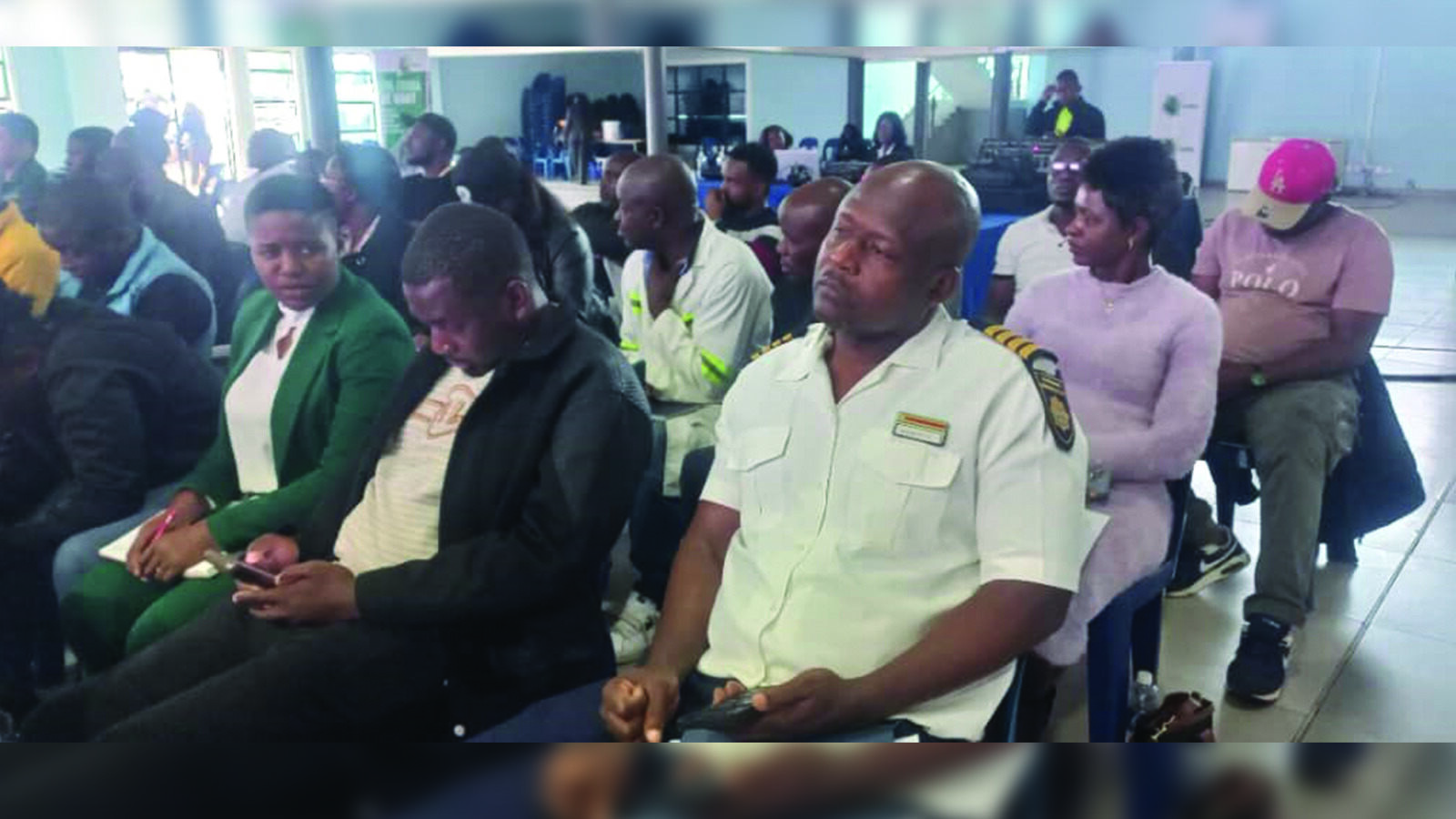
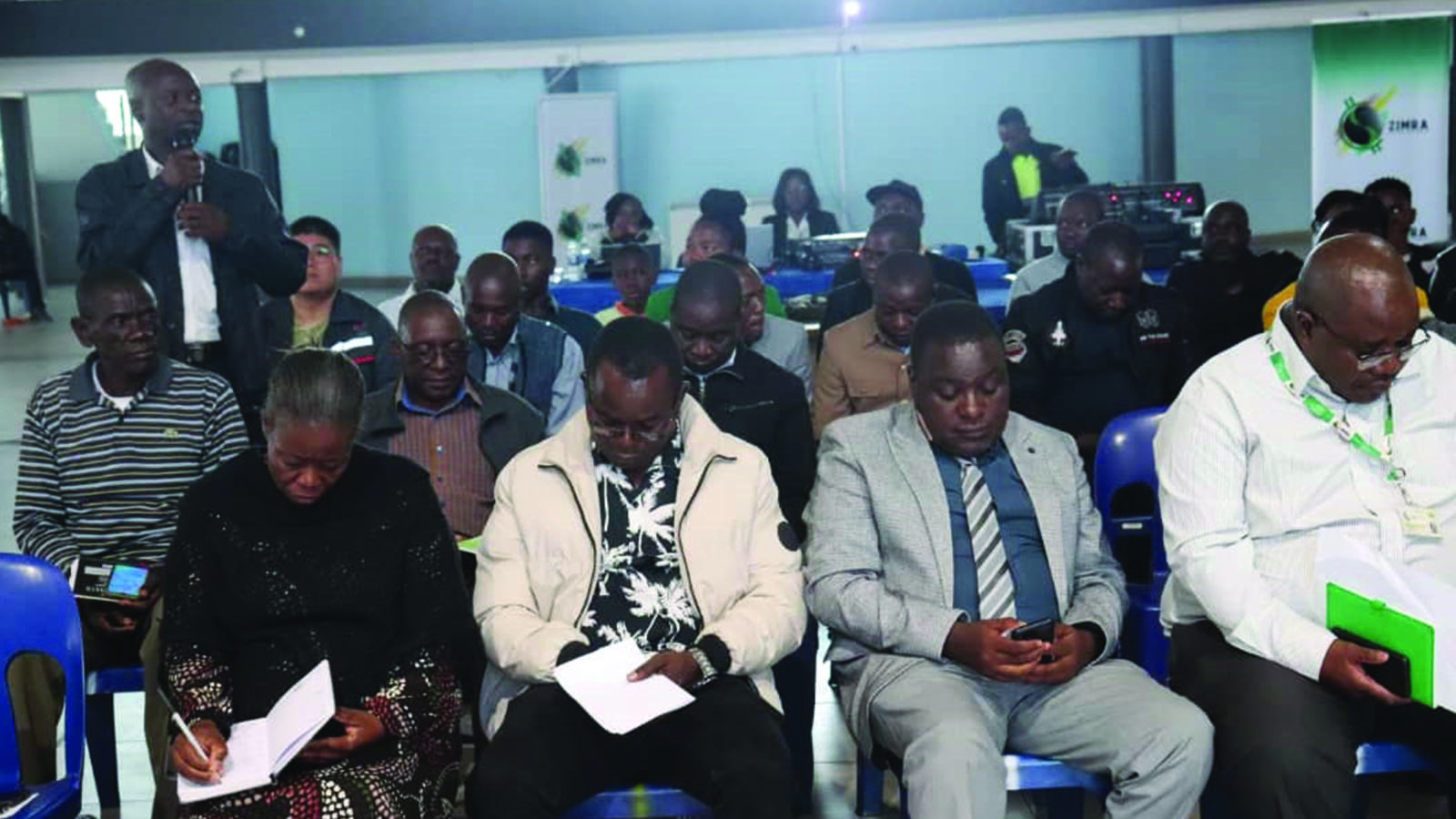
The ongoing interactive programme in Beitbridge has attracted customs clearing agents, transporters, economists, businesspeople and ordinary residents.
“Conversely, when taxes are evaded or underpaid. You will note that national revenue becomes insufficient, border services become strained, priority development projects are delayed and communities receive fewer resources,” he said.
“Government acknowledges concerns raised over the complexity of taxes and duties. Under the President’s Ease of Doing Business reforms, several measures have already been introduced to simplify processes, reduce licensing burdens, and support efficient operations — particularly for small-scale traders and transport operators.
“Recently, most licences in the wholesale and retail sectors were consolidated into one license, for example, combining bottle-store and general shop licences into a single license, as well as merging factory and retail licences.”
He also highlighted the significance of Devolution Funds, which drive development from the grassroots level, including road rehabilitation, schools, clinic construction and water supply projects, among others.
These funds, he added, come directly from taxes and duties paid by citizens.
“If you find that devolution funds are not available, it means taxes would not have been paid consistently and effectively,” said Mr Munhande.
Speaking during the same event, Beitbridge town clerk Mr Loud Ramakgapola said: “We are happy to attend this interactive meeting where we have been equipped with the latest tax-related information, which will help us improve service delivery and better enforce some business regulations,” he said.
Zimra’s enforcement manager, Beitbridge, Mr Lloyd Mubingi, said they were looking forward to improved tax compliance among most businesses, importers, exporters, transporters and freight forwarders in the border town.