Online Reporter
Sikhumbuzo Moyo [email protected]
THE Government and the International Organization for Migration (IOM) have reaffirmed their commitment to strengthening collaboration on addressing the growing impacts of climate change on human mobility, environmental degradation and sustainable development.
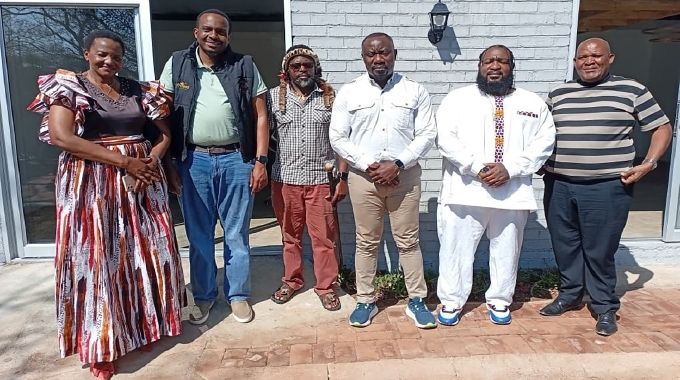
The commitment was made during a high-level courtesy call between the Permanent Secretary in the Ministry of Environment, Climate and Wildlife, Mr Simon Masanga, and IOM Zimbabwe Head of Mission Ms Diana Cartier.
The meeting focused on the increasing link between climate change, environmental degradation and migration, with both parties agreeing that climate-induced displacement and rural-to-urban migration are becoming pressing challenges requiring coordinated national and international responses.
Discussions highlighted how environmental degradation is increasingly forcing people to leave their communities in search of better livelihoods, placing additional pressure on urban centres and natural resources.
The two parties also explored opportunities for joint interventions with development partners, including UN-Habitat, to address the environmental and socio-economic effects of migration.
The duo further discussed the need to tackle growing environmental challenges such as biodiversity loss, the impacts of artisanal mining and issues surrounding loss and damage associated with climate change.
Recognising the importance of mobilising adequate resources, the Ministry and IOM agreed to strengthen strategic partnerships in the climate finance sector through comprehensive stakeholder mapping aimed at identifying key institutions and funding opportunities.
Research and innovation also featured prominently during the discussions, with the two sides underscoring the need to scale up research and development to generate evidence that can support informed policy-making and programme implementation.
The Ministry acknowledged IOM’s ongoing research initiatives, saying the findings would contribute significantly to evidence-based decision-making and the effective implementation of climate-related programmes.
Mr Masanga also expressed appreciation for IOM’s technical contributions towards the development of the Climate Change Management Bill, noting that the organisation had played an important role in ensuring that migration and human mobility issues are incorporated into the proposed legislation.
The meeting further agreed on the need to strengthen communication and public awareness on climate-induced migration through enhanced institutional collaboration, knowledge sharing and the use of specialised communication toolkits and shared media platforms.
The engagement marked another step in the Government’s efforts to integrate human mobility into national climate policy as Zimbabwe continues to strengthen resilience against the effects of climate change.
Through enhanced collaboration, evidence-based research, progressive legislation and improved access to climate finance, the Ministry and IOM said they remain committed to protecting vulnerable communities and promoting sustainable environmental management in the face of increasing climate-related challenges.