Online Reporter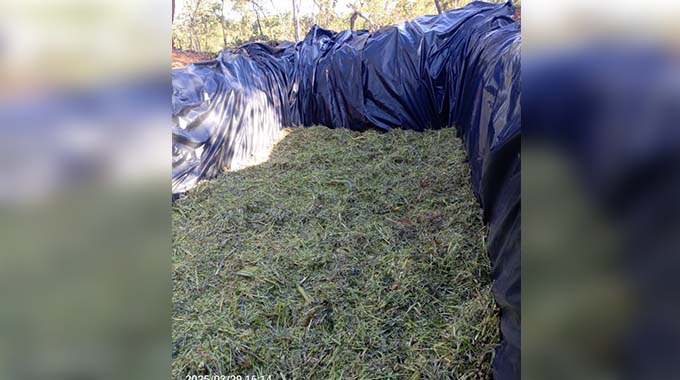
Patrick Chitumba, Midlands Bureau
THE Government has launched urea-treated stover cane production in the Midlands Province, as part of wider initiatives to revitalise the livestock sector.
Urea-treated stover, a mixture of molasses, urea, salt, and crop residue from sources such as barley and maize, has significant nutritional value and is used as livestock feed, particularly during droughts.
This innovative feed supplement is produced by treating crop residues, such as maize or sorghum stover, with urea, a process that enhances the nutritional profile of the feed. The treatment increases protein content, improves digestibility, and enhances palatability, making it suitable for ruminant animals like cattle, goats and sheep, especially during feed shortages.
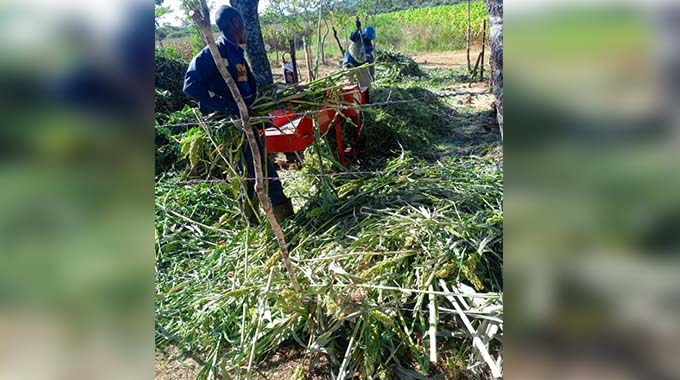
Boosting fodder production is a key pillar of the Second Republic’s Livestock Recovery and Growth Plan, which seeks to safeguard and strengthen the country’s livestock base.
The initiative comes in response to the recent El Niño-induced drought, which severely threatened livestock across the nation. In light of this, the Government convened livestock specialists and farmers from across the Midlands to introduce the feed-making process and ensure the knowledge is cascaded to grassroots communities.
Midlands Provincial Livestock Specialist, Mrs Ezra Svorai, said the supplement is critical in improving animal nutrition and increasing productivity.
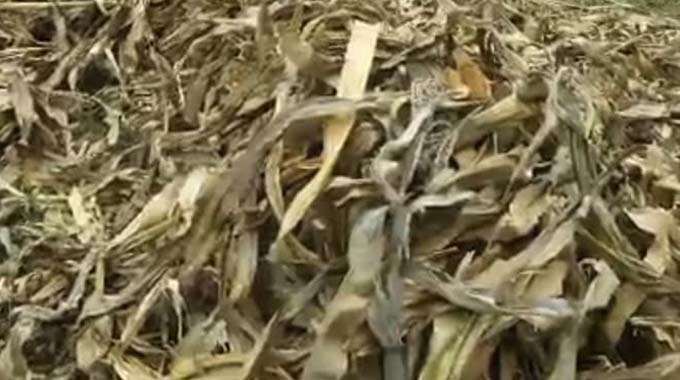
“We are urging farmers to prepare urea-treated stover to feed their livestock. With just one sack of urea, you can make enough feed to last the whole year,” she said.
She noted that maize stover alone lacks essential nutrients needed for optimal animal health.
“Feeding livestock plain maize stover is like eating sadza/isitshwala without relish. However, with urea treatment, the feed has a crude protein (CP) content of 12 percent. That translates to increased productivity. The Government is supporting this initiative by providing farmers with sacks of urea, making feed production far cheaper than purchasing commercial stock feed,” said Mrs Svorai.
Midlands Provincial Director for Agricultural and Rural Development Advisory Services (Ardas), Ms Busiso Olga Mavankeni, said the province aims to increase its cattle herd from approximately 900 000 to over one million by year-end.
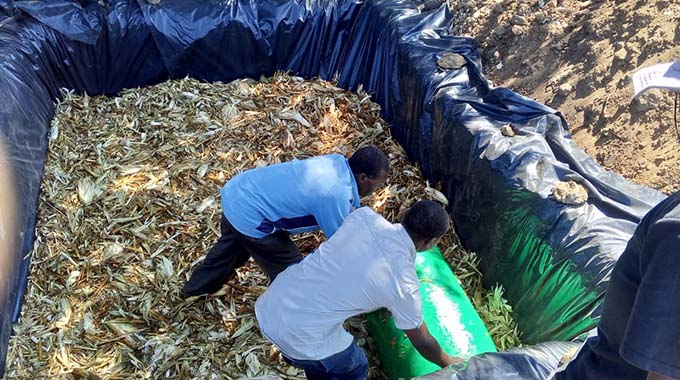
“It is crucial for farmers to prepare this feed as a drought mitigation strategy. We lost some of our livestock last year due to drought, but this year we have a solution,” she said.
Ms Mavankeni also highlighted that the Government is drilling boreholes throughout the province to ensure adequate water supply for livestock.
“Through the Presidential Borehole Drilling Scheme, we are ensuring access to water. With both feed and water available, we are poised for significant livestock production,” she said.
The Second Republic launched the Livestock Recovery and Growth Plan with the aim of transforming farmers’ livelihoods and boosting the national economy. The plan’s main objective is to address production and productivity constraints in the sector and stimulate sustainable growth.