Online Reporter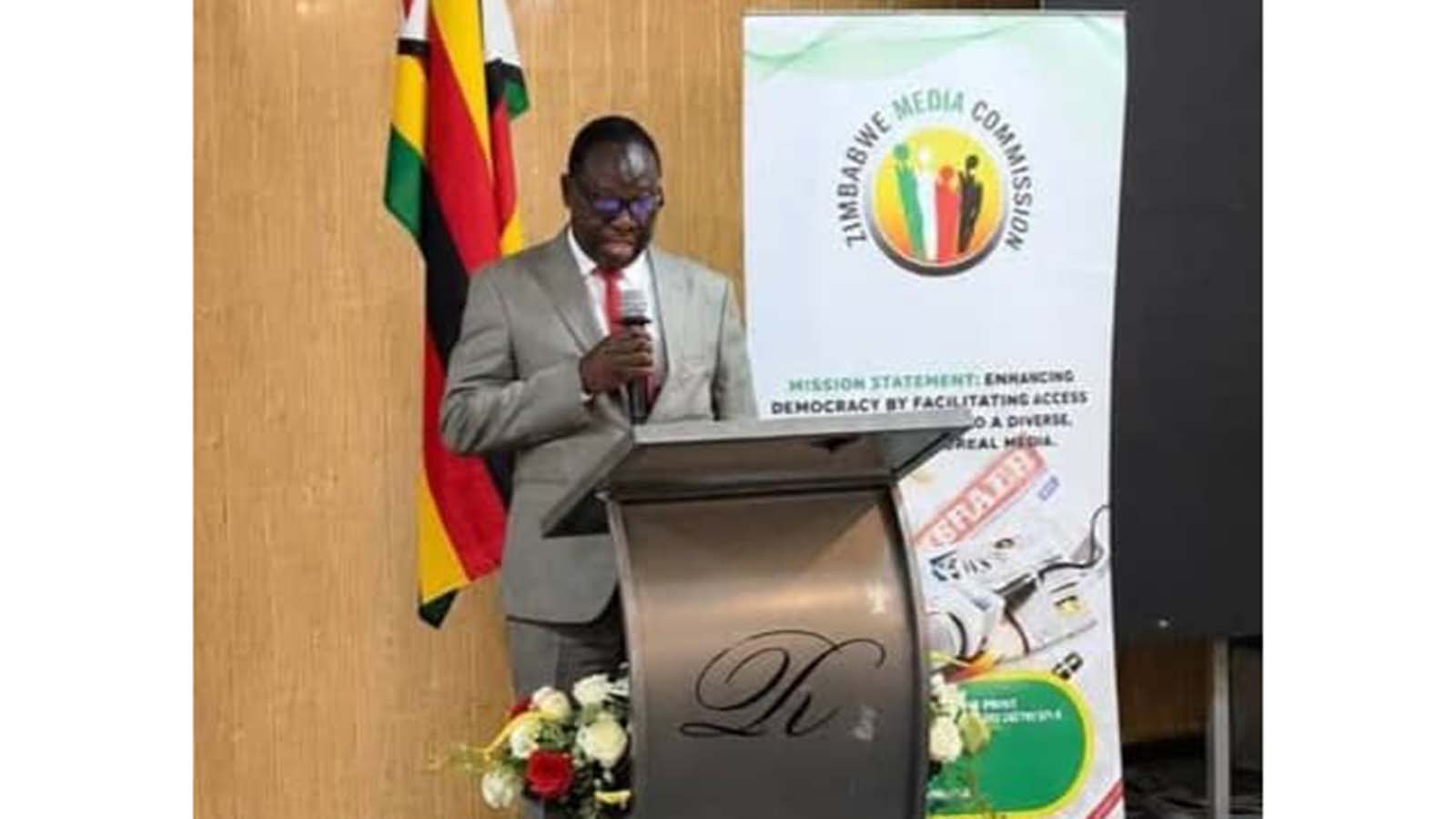
Obey Musiwa
Herald Reporter
ZIMBABWE has taken a significant step towards strengthening climate journalism with the validation of a Climate Change Reporting Manual designed to equip journalists with the scientific knowledge, ethical guidance and practical skills needed to report accurately on climate issues.
The manual was validated during a workshop held in Harare today, where Government officials, media regulators and climate experts underscored the need for accurate, solutions-driven climate reporting to better inform and empower citizens.
Speaking at the workshop, Information, Publicity and Broadcasting Services Permanent Secretary Mr Nick Mangwana, who was reprented by Director of Media Services in the Ministry, Mr George Chisoko, said journalists are not only storytellers but also educators and agenda setters whose reporting should go beyond documenting climate-related disasters to explaining the science behind climate change and highlighting practical solutions.
“Climate journalism should not only report challenges but also showcase solutions,” he said, pointing to communities practising climate‑smart agriculture.
“In an era characterised by misinformation, this manual is both timely and necessary. It reinforces responsible journalism founded on scientific integrity, ethics, and accountability.”
Zimbabwe Media Commission (ZMC) executive secretary Mr Godwin Phiri emphasised that climate change is already affecting livelihoods and requires informed responses across all sectors, including the media.
“Through accurate, balanced, and responsible reporting, journalists help citizens understand the causes and impacts of climate change, inform public debate, and support evidence‑based decision‑making,” he said.
“This workshop is not merely to review a document, but to refine a tool that will improve the quality of climate journalism in Zimbabwe.”
In his presentation, acting deputy director for Carbon Markets in the Ministry of Environment, Climate and Wildlife, Mr Tirivanhu Muhwati, said climate change is a cross‑cutting development issue embedded in national strategies and even military training.
“Climate change is expected to become worse as we go into the future. We have not seen the worst, because emissions are still ongoing and industrialisation is increasing,” he said.
“Our industrialisation is expected to peak around 2040–2050, meaning pollution will rise. Climate change is here to stay, and we must act to adapt.”