Online Reporter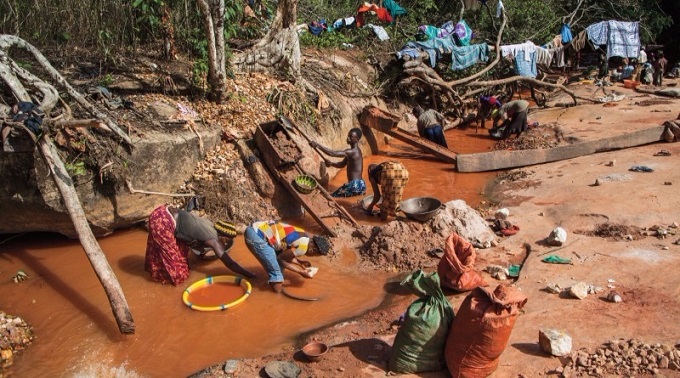
Sikhulekelani Moyo, [email protected]
CLOSE collaboration between the Government and small scale miners’ associations is critical to curbing rampant river bed gold operations and ensuring the preservation of ecological ecosystems for long term environmental sustainability.
Alluvial mining, particularly in riverbeds, has gained popularity in Zimbabwe due to the potential for quick profits.
However, the environmental costs associated with this practice have become increasingly evident.
The Government’s decision to ban river bed mining stems from concerns over severe ecological damage, including habitat destruction, water pollution and the disruption of local ecosystems.
In August 2024, the Government banned all river bed and alluvial mining activities, saying the practice had resulted in water pollution, siltation, degradation of river channels and the disruption of riverine ecosystems.
Despite the ban on alluvial mining in river courses, miners continue operating in tributaries, posing a threat to water supplies in cities and across the country.
Zimbabwe Indigenous Miners Association (Zima) national chairperson, Ms Silingiwe Masuku, acknowledged the problem in an interview and appealed to miners to respect environmental laws.
She noted that river bed mining harms ecosystems in communities, with adverse effects on livelihoods and long term sustainability.
“We support the Government on the ban of river bed mining. Anyone still doing alluvial mining should be arrested and face a heavy fine. Overall, sand mining from rivers poses a multi-dimensional threat to water quality, flood risk, geomorphological stability, and the preservation of critical vegetation. It also poses a threat to aquatic life and all other animals’ health in general,” said Ms Masuku.
Ms Masuku said miners should support eco-tourism, agriculture and other income sources, urging them to rehabilitate and restore damaged areas while promoting sustainable land use.
The Government’s rationale for implementing the ban is rooted in a commitment to sustainability for future generations.
Zima secretary general, Mr Dadiso Brian Maseva, said there was a need for tighter law enforcement and a review of legislation to enhance impact. He said indigenous miners should help the Environmental Management Agency (EMA) in policing river bed activities.
Young Miners Foundation (YMF) chief operations officer, Mr Ezeria Andrew Masamvu, said that from their experience working with small scale miners, there is a need for a different approach anchored on robust awareness of the dangers of alluvial mining.