Rutendo Nyeve [email protected]
THE Government has intensified efforts to repatriate the remains of fallen liberation war heroes buried in Zambia and other countries that hosted Zimbabwe’s armed struggle, with an inter-ministerial subcommittee now operational to spearhead the process.
The initiative is part of a broader national programme aimed at preserving liberation heritage and ensuring that those who sacrificed their lives during the liberation struggle are accorded honour and dignity.
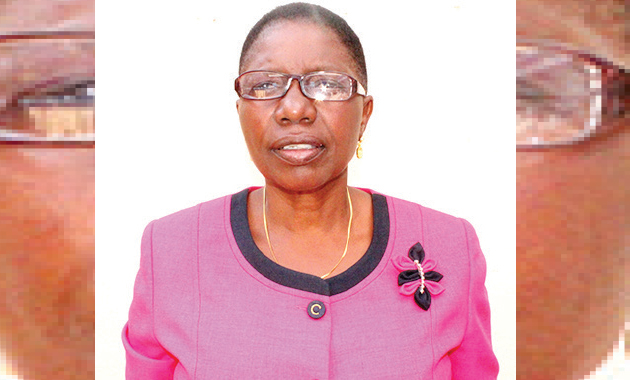
Speaking in the Senate last Thursday, Minister of Veterans of the Liberation Struggle Affairs, Senator Monica Mavhunga, said Cabinet had approved a comprehensive memorialisation framework following last year’s regional tour of liberation war heritage sites by Vice President Dr Kembo Mohadi.
The tour covered former liberation struggle bases and historical sites in Angola, Mozambique, Tanzania and Zambia.
“Government remains firmly committed to the memorialisation of our liberation war legacy through ensuring that those who paid the ultimate sacrifice are accorded the honour and recognition they deserve,” she said.
“Following the regional tour of liberation war heritage sites in Angola, Mozambique, Tanzania and Zambia by Vice President Kembo Mohadi and his delegation, the Cabinet considered and approved the setting up of an inter-ministerial committee and liberation heritage funds led by the Office of the President and Cabinet.”
Minister Mavhunga said the Office of the President and Cabinet convened an implementation meeting in December last year to operationalise the National Coordination Framework on the Memorialisation and Documentation of Zimbabwe’s Liberation Heritage.
Minister Mavhunga said the newly established Liberation Heritage Fund would serve as the principal financing mechanism for memorialisation initiatives both locally and regionally.
“To this end, the Liberation Heritage Fund will serve as the principal financing mechanism for the memorialisation initiative by Zimbabwe, both local and regional,” she said.
The minister said the inter-ministerial committee would coordinate implementation processes and develop detailed annual work plans and budgets for submission to Treasury, while also mobilising support from development partners and other well-wishers.
“This ensures that all liberation heritage processes are properly resourced and systematically executed,” she said.
Minister Mavhunga said a dedicated inter-ministerial subcommittee operating under the oversight of the Office of the President and Cabinet had already been established to lead research and forensic processes linked to the identification and repatriation of remains.
“The inter-ministerial subcommittee has been established to spearhead a comprehensive liberation historiography, research and forensic programme. The subcommittee is developing methodologies for documentation, forensic investigation and verification of the remains of fallen fighters locally and in foreign countries, with clear outlined timelines, resource requirements and reporting mechanisms that ensure accountability,” she said.
Minister Mavhunga said the process would be guided by scientific accuracy, historical integrity and dignity.
On the diplomatic front, the Government is strengthening bilateral cooperation to facilitate the lawful return of fallen heroes.
“Furthermore, the Minister of Foreign Affairs and International Trade is strengthening bilateral cooperation with foreign embassies to facilitate lawful verification procedures and the orderly return of the remains of our fallen heroes from foreign countries, including Zambia,” said Minister Mavhunga.
“All processes will be undertaken in strict compliance with international protocols and mutual agreements, ensuring respect for foreign procedures while advancing our national obligation to our fallen heroes.”
The minister said Government memorialisation plans are structured, funded and coordinated at all levels.
“The repatriation of our fallen heroes from Zambia and other countries with which we share a liberation struggle history, is a clear Government priority and we are moving with urgency and resolve to ensure they are accorded the honour and dignity befitting their ultimate sacrifice,” said Minister Mavhunga.
She also provided an update on the ongoing vetting of ex-detainees, war collaborators, war veterans and non-combatant cadres, describing the exercise as critical in safeguarding the integrity of the National Register of Veterans of the Liberation Struggle.
Minister Mavhunga said following the 1997, 2022 and 2024 mop-up vetting exercises, the ministry continued receiving applications and appeals from individuals who were not previously captured.
Preliminary reports, she said, indicate that a considerable number of war collaborators still require formal vetting, with district-level compilations currently underway, including in Binga District, to inform future targeted vetting programmes.