Online Reporter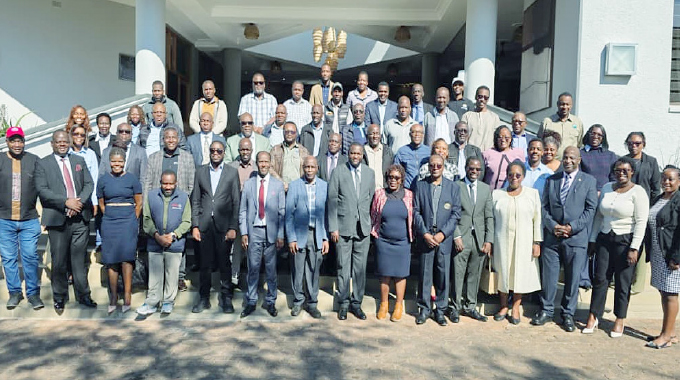
Rutendo Nyeve, [email protected]
GOVERNMENT has stepped up efforts to tighten the country’s nuclear and radiological safety laws, with the long-awaited Radiation Protection Amendment Bill now set for finalisation and gazetting as part of wider reforms aimed at strengthening Zimbabwe’s regulatory framework.
The proposed Bill, together with the completion of the National Radioactive Waste Management Facility, was identified as one of the country’s strategic national priorities by Radiation Protection Board chairperson Dr Anna Mary Nyakabau.
She was speaking during the National Radiation Safety and Security Workshop for managers and decision-makers held in Victoria Falls on Thursday.
Dr Nyakabau said the Office of the President and Cabinet (OPC) remained seized with the priorities in line with international standards and emerging sector demands.
“Our shareholder, the OPC, remains seized with a number of strategic national priorities within the radiation protection and nuclear security sector. These include the finalisation and gazetting of the Radiation Protection Amendment Bill, which is expected to strengthen the national legal and regulatory framework in line with international standards and emerging sector needs.
“Priority is also being given towards the completion of the National Radioactive Waste Management Facility, which remains critical for the safe, secure and long-term management of radioactive waste in Zimbabwe,” Dr Nyakabau said.
The facility has been under development for several years and, once completed, is expected to provide a permanent solution for the disposal of radioactive waste generated by medical, industrial and research institutions across the country.
Dr Nyakabau commended the Radiation Protection Authority of Zimbabwe (RPAZ) for convening the workshop, which brought together decision-makers, industry leaders and stakeholders from key economic sectors utilising radiation and nuclear-related technologies.
She said while radiation technologies continued to play a critical role in improving service delivery, productivity and national development, their application must operate within a robust regulatory framework that safeguards workers, the public and the environment.
“We recognise the important role that radiation technologies continue to play, contributing to service delivery, productivity and national development, as we continue implementing the national development agenda and ease of doing business reforms.
“As a Board, we remain committed to ensuring that these technologies are applied within a strong regulatory framework that protects workers, the public, and the environment,” she said.
The chairperson also reminded licensees and institutional leaders that the primary responsibility for radiation safety and security rests with them and not regulators alone.
“The commitment demonstrated at the leadership level determines whether safety and security become embedded organisational values or remain mere compliance obligations,” she said.
Dr Nyakabau urged institutions to strengthen internal compliance systems, support technical personnel, invest in preparedness and promote a strong culture of safety and accountability.
She also revealed that preparations were underway for the third edition of the Radiation Safety Conference, scheduled for the first half of 2027, which is expected to provide a broader national platform for dialogue, cooperation and knowledge-sharing.