Online Reporter
Ivan Zhakata
Herald Correspondent
The Government has directed the National Library and Documentation Service Council (NLDS) to spearhead the digital transformation of Zimbabwe’s library and information services, saying the country must migrate from traditional book repositories to modern, technology-driven knowledge hubs.
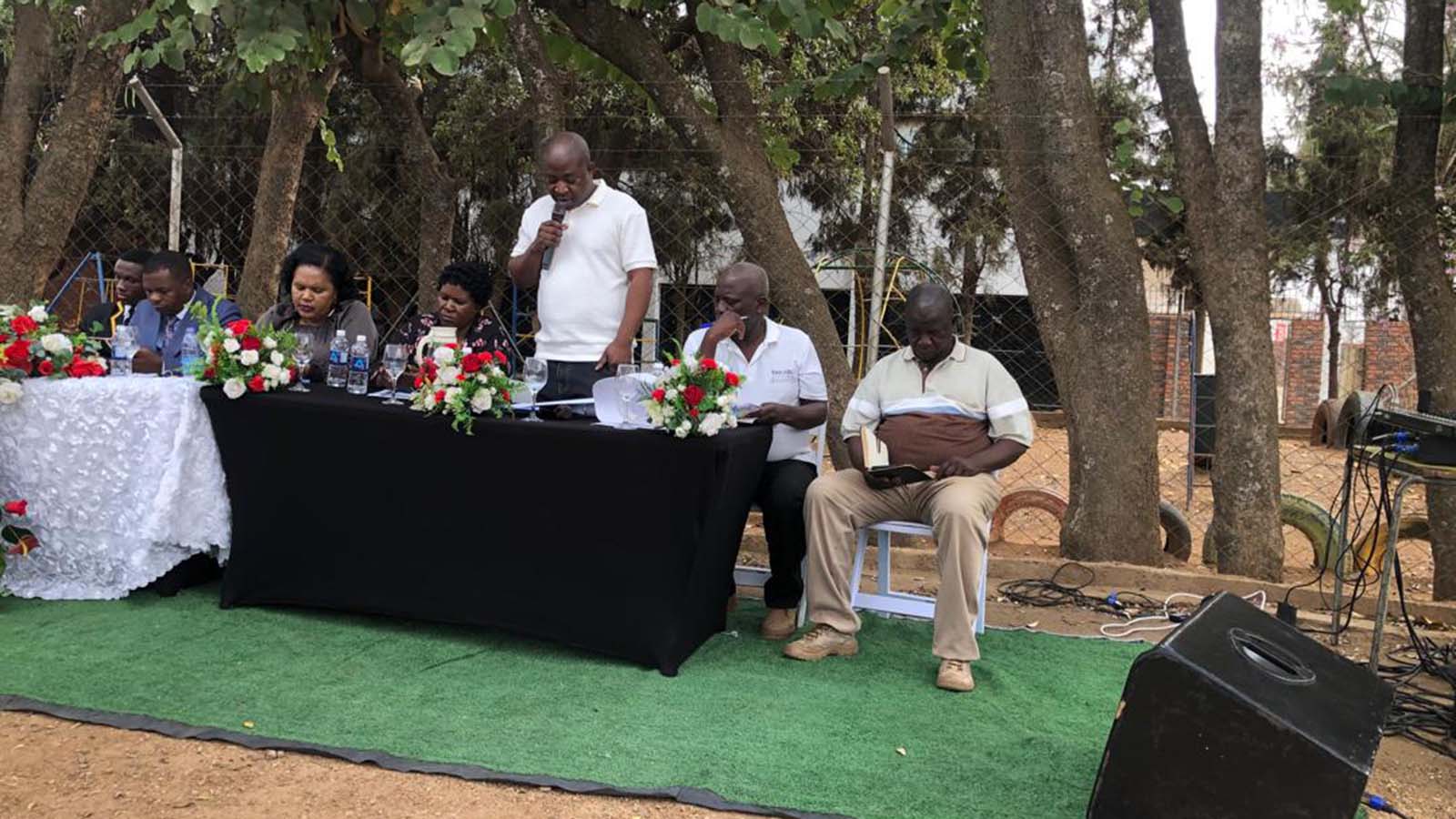
Addressing the inaugural meeting of the council in Harare on Wednesday, Primary and Secondary Education Minister Torerayi Moyo, said the new board assumed office at a critical juncture as the Government accelerates reforms in line with Vision 2030.
“Digital transformation of libraries and information services is key and we must transition from traditional repositories of books to modern, technology-driven knowledge hubs,” he said.
Minister Moyo said the council, appointed in terms of the Public Entities Corporate Governance Act and the National Library and Documentation Service Act, has a clear statutory mandate to advise the Minister on the administration and operation of the NLDS, as well as on the crafting and amendment of regulations for the effective implementation of the Act.
He said that although the NLDS was absorbed into the Ministry of Primary and Secondary Education following the Cabinet’s 2018 State Enterprises and Parastatal Reform Programme, the advisory council was retained due to its far-reaching national responsibility.
“Today’s meeting marks not merely the commencement of your four-year tenure, but the renewal of a national commitment that all the people of Zimbabwe shall have access to facilities for the dissemination of knowledge, for research, recreation and study,” Minister Moyo said.
Cabinet, he added, approved principles for the amendment of the NLDS Bill on September 23, 2025 to modernise the institution by incorporating digital technologies, digital preservation systems and digital library services to enhance access to knowledge nationwide.
Minister Moyo said the council’s statutory obligations include providing sound, evidence-based policy advice, ensuring regulatory frameworks remain responsive to emerging needs, safeguarding the integrity and sustainability of library and documentation services, promoting compliance among affiliate libraries and supporting resource mobilisation and strategic partnerships.
He urged the council to align its work with the National Development Strategy 2 (NDS-2), particularly the pillar on Science, Technology, Digital Innovation and Human Capital Development.
“We are operating in an era defined by rapid technological advancement, artificial intelligence, robotics, coding and digital content ecosystems that should shape and help reimagine the provision of library and information services,” said Minister Moyo.
He said equitable access to information remained a key Government priority.
“No learner, whether in Binga, Chipinge, Tsholotsho or Mbare should be excluded from access to educational resources and knowledge due to geography or socio-economic status,” Minister Moyo said.
The Minister directed the council to submit a signed annual work plan within 60 days, stressing the need for timely, structured and actionable advice.
“Our shared objective is to build a modern, inclusive, technology-driven national library system that supports curriculum delivery, research, lifelong learning, cultural preservation and national productivity,” he said.
Minister Moyo said the council’s work must complement national development efforts under the leadership of President Mnangagwa as Zimbabwe moves towards the attainment of Vision 2030.