Online Reporter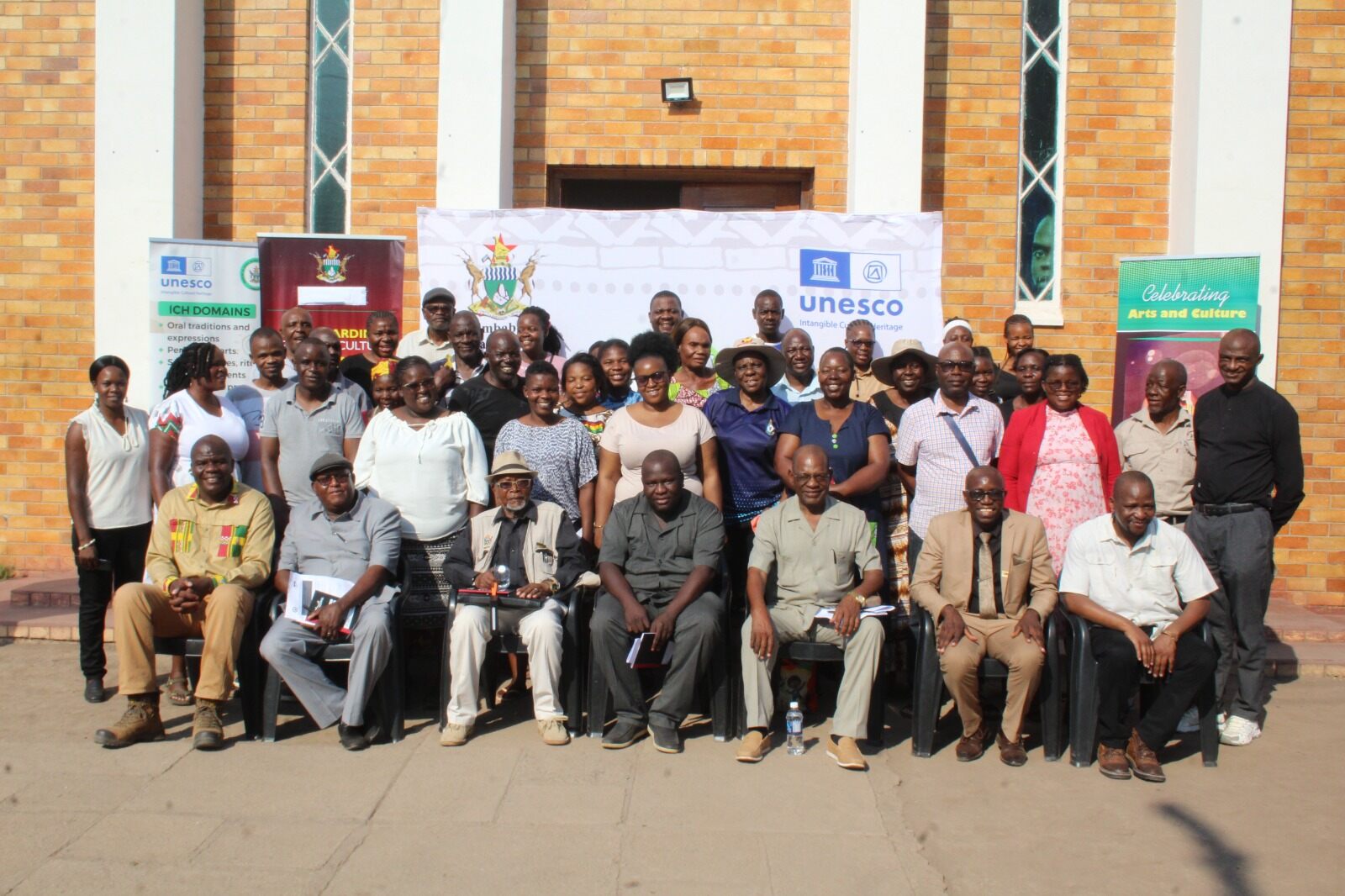
Fairness Moyana in Hwange
GOVERNMENT has intensified efforts to preserve and promote intangible cultural heritage in Matabeleland North, with traditional leaders and communities being capacitated to document cultural practices and have them considered for inclusion on international heritage platforms.
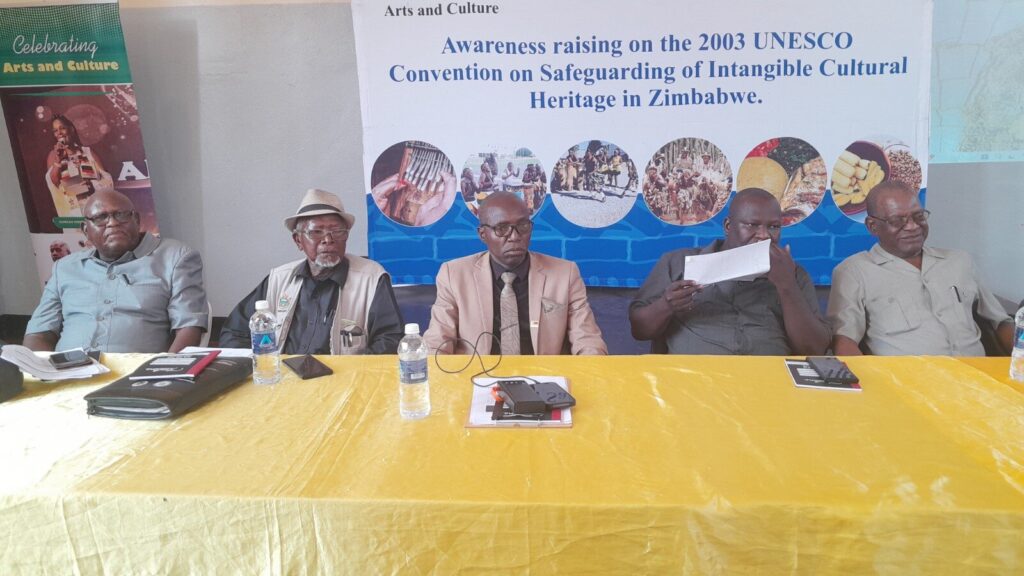
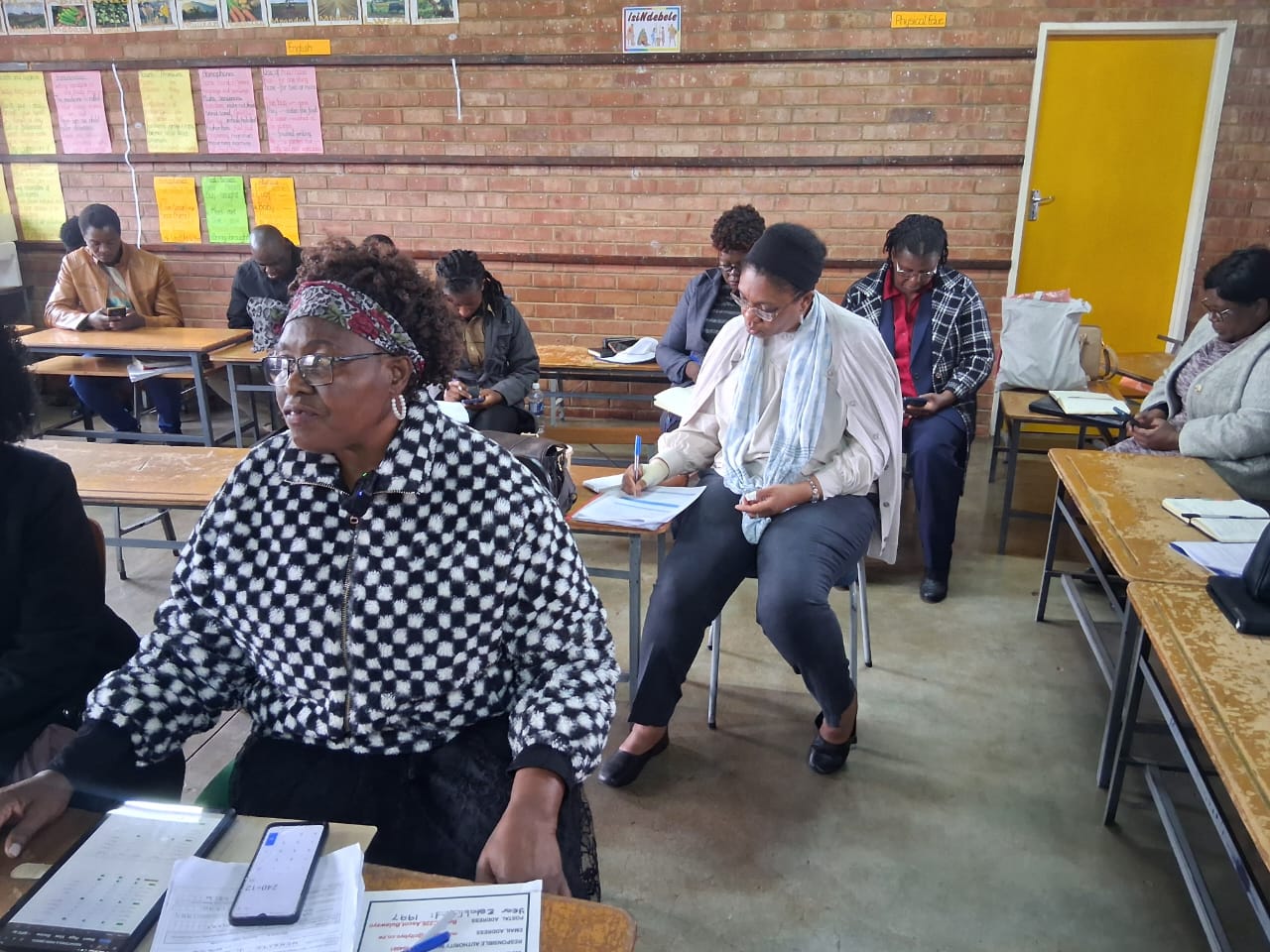
The province is the last of Zimbabwe’s 10 provinces to undergo the capacity-building programme on the UNESCO 2003 Convention for the Safeguarding of Intangible Cultural Heritage (ICH), with a five-day workshop being held in Hwange from September 28 to October 2.
The programme, being spearheaded by the Ministry of Sport, Recreation, Arts and Culture, seeks to equip arts and culture officers, traditional leaders and communities with skills to identify, document, inventory and safeguard cultural practices that are at risk of disappearing.
Deputy director in the Ministry’s Matabeleland North provincial office, Miss Jenamiso Ncube, said Hwange was selected to host the provincial workshop because of its diverse ethnic composition, which provides a rich pool of cultural practices for documentation.
“Matabeleland North is the last province to have its ICH inventorying workshop conducted and we decided to do it in Hwange mostly because we realised that there are multiple ethnic groups in Hwange, giving us a wide range of elements to actually inventory,” she said.
Ms Ncube said the programme was not limited to Hwange, as arts and culture officers from districts across the province were attending the training and would be expected to replicate it in their respective communities.
She said previous awareness campaigns had exposed gaps in knowledge among officials and traditional leaders on what was required for cultural elements to qualify for documentation and possible inclusion in the UNESCO ICH database.
“The most important gap was the lack of knowledge on what is needed for elements to be inventoried and to qualify to be added into the UNESCO ICH database,” she said.
The workshop is expected to produce at least three inventory files covering documentation, archiving and development of project proposals for safeguarding cultural heritage.
The files will be listed on Zimbabwe’s ICH database and uploaded onto the Southern Africa Intangible Cultural Heritage Platform.
Ms Ncube said traditional leaders would play a key role in the process as custodians of culture, particularly by giving consent for inventories to be undertaken and identifying knowledgeable community members and sites where information could be gathered.
“Traditional leaders are the custodians of culture in the communities. So, the first thing is that we seek consent from them. They will also give guidance on what we can inventory and areas where we can go because they best know their communities,” she said.
Arts and culture officers, meanwhile, will be responsible for collecting and documenting information through written records, audio recordings, videos and interviews.
UNESCO assistant project focal person, Mr Ian Nyamundanda said the programme was intended to move Zimbabwe beyond merely being a signatory to the 2003 Convention towards implementing it at community level.
“The cultural officers and traditional leaders lacked knowledge on the facets and embodiment of the convention and its implementation at ground level. It was just a convention we are signatory to, that we ratified, but coming down to the grassroots, we were not implementing it,” he said.
Mr Nyamundanda said previous awareness programmes had been conducted in isolation, while the current programme was being rolled out across all 10 provinces.
He said the programme was also designed to ensure that groups that are often overlooked in cultural preservation programmes, including women, youths and people living with disabilities, were included in the transmission and safeguarding of intangible cultural heritage.
“This is primarily because there is a tendency of overlooking people living with disabilities, women and youths.
These are also a primary target for ensuring that this transmission of intangible cultural heritage is amongst everyone in the community,” he said.
Mr Nyamundanda said the process would remain community-driven, with government providing support rather than imposing decisions on communities about which cultural practices should be preserved.
“When you are dealing with ICH in itself, it’s community-driven. It’s community participatory inventory. As Government, we don’t have to induce them to safeguard their culture. It’s there, then they call upon Government to assist or find that they protect a certain part of their culture such that it is safeguarded before it disappears,” he said.
Ms Ncube said the programme was also linked to the Government’s Vision 2030 agenda and efforts to commercialise the arts and culture sector.
She said communities could potentially benefit economically from their cultural heritage through initiatives such as cultural tourism, while ensuring that practices were documented and protected.
“Part of the capacitation was on how we can use or market our cultural heritage in a way that will bring income to the communities,” she said.
Among the cultural elements being considered for documentation are traditional foods and methods of preparation, rituals where permission is granted, astronomy and other forms of indigenous knowledge.
Chiefs Wange, Nekatambe, Nelukoba-Dingani and Mvuthu, represented by Headman Maratuse, as well as acting Chief Shana, are also attending the workshop.
The ministry said the trained officers and traditional leaders would be expected to cascade the awareness programme to other communities across Matabeleland North, creating a broader network for the identification and safeguarding of the province’s intangible cultural heritage.