Online Reporter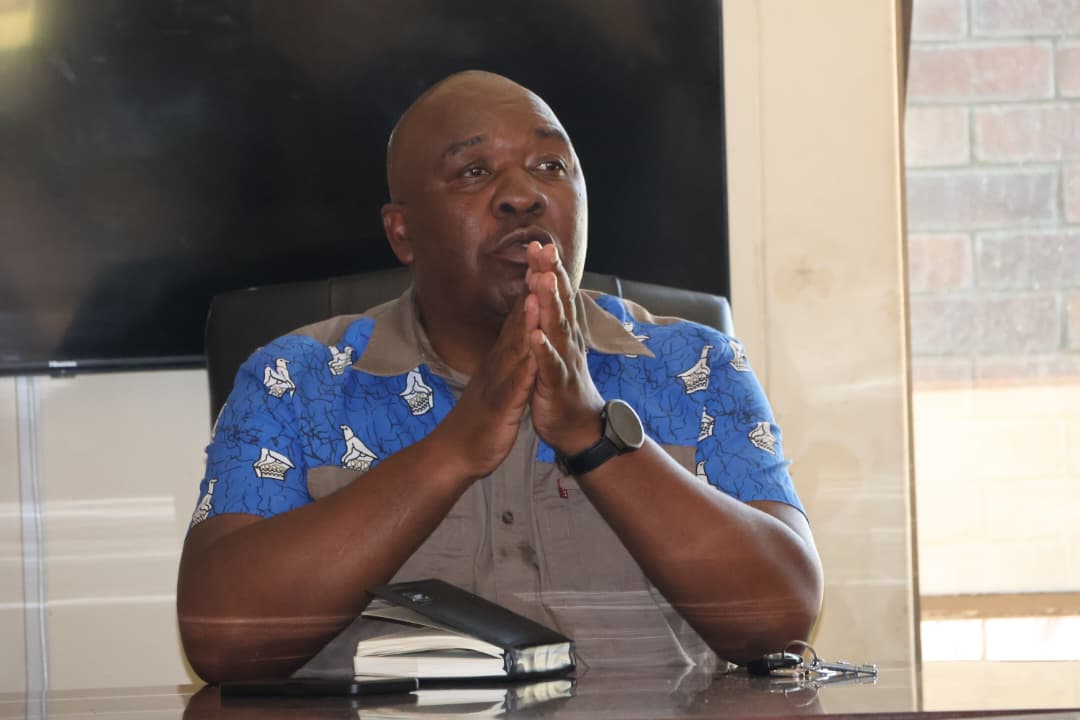
Theseus Mauruki Shambare in MUTARE
GOVERNMENT is pushing for increased investment in fish processing and value addition as Zimbabwe seeks to transform its growing aquaculture sector into a broader industrial value chain capable of creating jobs, markets and income.
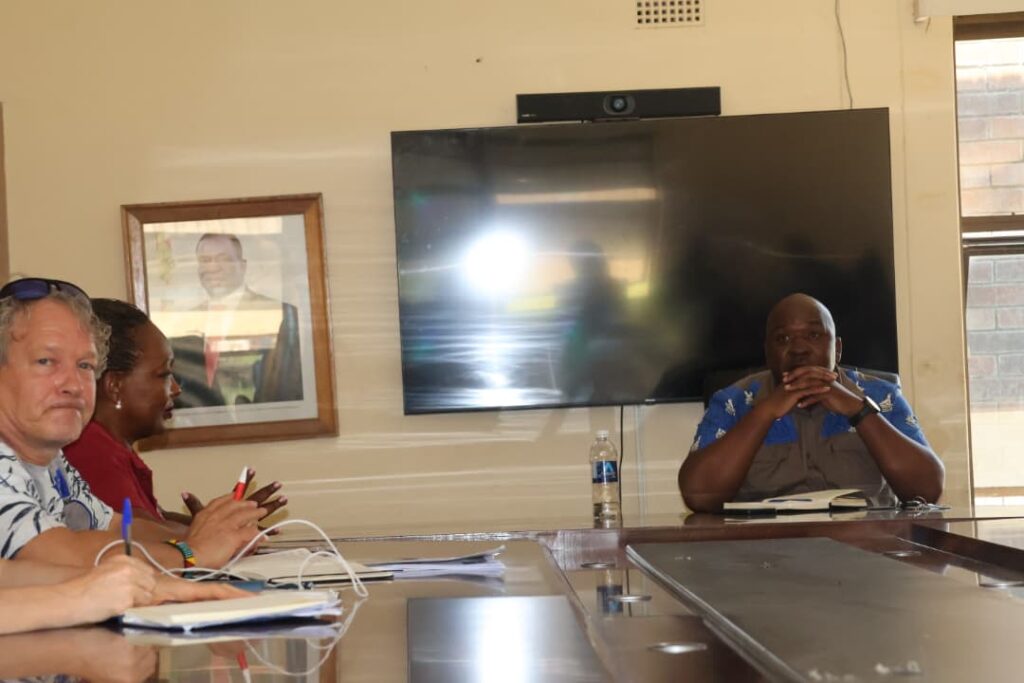
The drive was outlined this afternoon in Mutare during a courtesy call by a European Union delegation led by Agriculture, Environment, Private Sector and Trade Engineer Martin Andersen, representing EU Head of Cooperation Anna Cichocka, ahead of a monitoring and evaluation tour of fisheries infrastructure supported under the Fisheries for African, Caribbean and Pacific countries (FISH4ACP) programme in the Manicaland Province.
Representing the Permanent Secretary for Provincial Affairs and Devolution in Manicaland, Mr Abiot Maronge, Director of Economic Affairs and Investment Promotion Mr Munyaradzi Rubaya said the province wanted to move beyond producing fish for direct consumption.
“We are happy to have the European Union and the United Nations Food and Agriculture Organisation supporting Government programmes. In fish farming and aquaculture, we want to see Manicaland developing and producing a unique fish product that is suited to our climatic conditions,” Rubaya said.
He challenged farmers, private-sector players and Government to work together to develop a longer fish value chain encompassing production, processing and marketing.
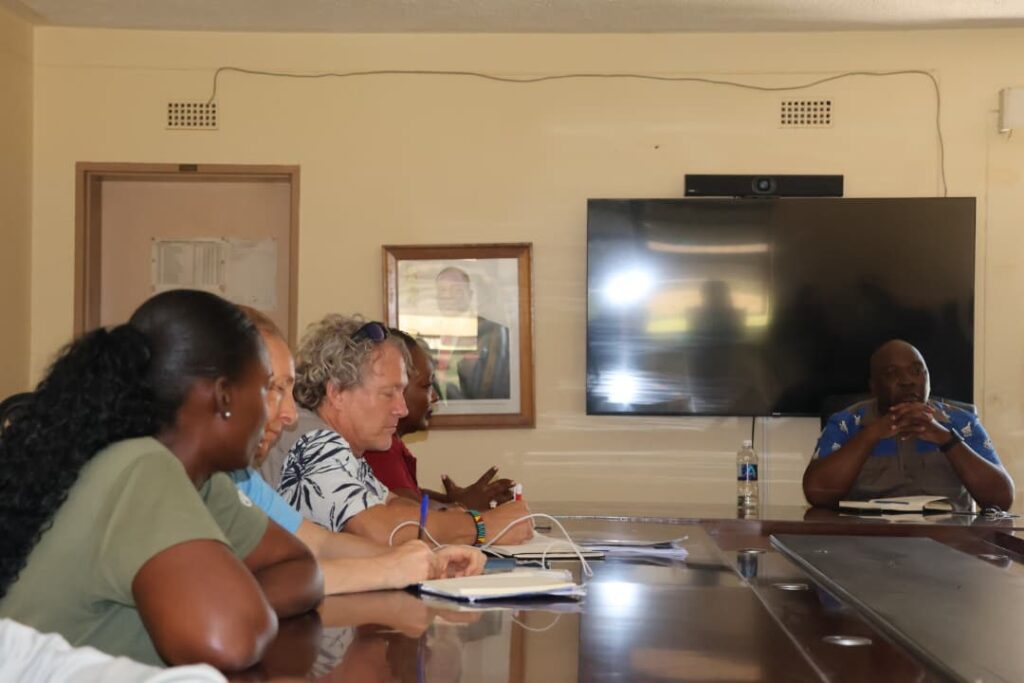
“Let us move beyond simply producing whole fish to eat. Why can’t we have tilapia pies, fish sausages, fish burgers, fish fingers, fish cakes, smoked and dried fish and other innovative fish products coming out of Manicaland?
“That is where we want to go — producing, processing and adding value so that aquaculture creates more businesses, jobs, markets and income within the province,” he said.
Livestock and Fisheries Production Department director Mr Milton Makumbe said Government wanted increased fish production to be matched by investment in processing, packaging and markets.
“As Government, we are saying we should not only produce fish and sell it in its raw form. We want to see a complete value chain developing around aquaculture, from the production of quality fingerlings and fish farming to processing, packaging, marketing and consumption,” he said.
Mr Makumbe said interventions such as the Maponga Fish Hub in Masvingo were increasing farmers’ access to quality fingerlings while creating a foundation for increased production and private-sector investment in value addition.
“We want to see our farmers producing enough fish to supply processors, and we want those processors to develop products such as fish fillets, fish fingers, fish cakes, fish sausages, fish burgers, smoked and dried fish and other products for the domestic and regional markets,” he said.
The push comes as Government seeks to expand Zimbabwe’s fisheries and aquaculture industry, with decentralised production of quality fingerlings being used to address supply constraints faced by farmers.
As part of the ongoing assessment tour, the EU delegation will today evaluate progress made at the FISH4ACP-supported fish cold-chain facility in Odzi, before visiting the Women-led Fingerling Hub in Hauna tomorrow to assess its implementation and impact on local farmers.
The tour is expected to provide an assessment of how investments under the programme are strengthening the aquaculture value chain, improving access to production inputs and creating opportunities for rural communities.
Makumbe said the development of a complete value chain would enable Zimbabwe to move from simply increasing fish production to building a commercially viable industry.
The EU delegation is assessing fisheries cold-chain infrastructure, fingerling hubs and fishponds supported under FISH4ACP as part of its monitoring and evaluation tour.
FISH4ACP is a global aquatic value-chain development initiative of the Organisation of African, Caribbean and Pacific States (OACPS), aimed at making fisheries and aquaculture value chains more productive and sustainable while contributing to food security, economic growth and job creation.
Implemented by FAO with funding from the European Union and the German Federal Ministry for Economic Cooperation and Development (BMZ), the programme works across 12 aquatic value chains in 12 ACP countries.