Sikhulekelani Moyo [email protected]
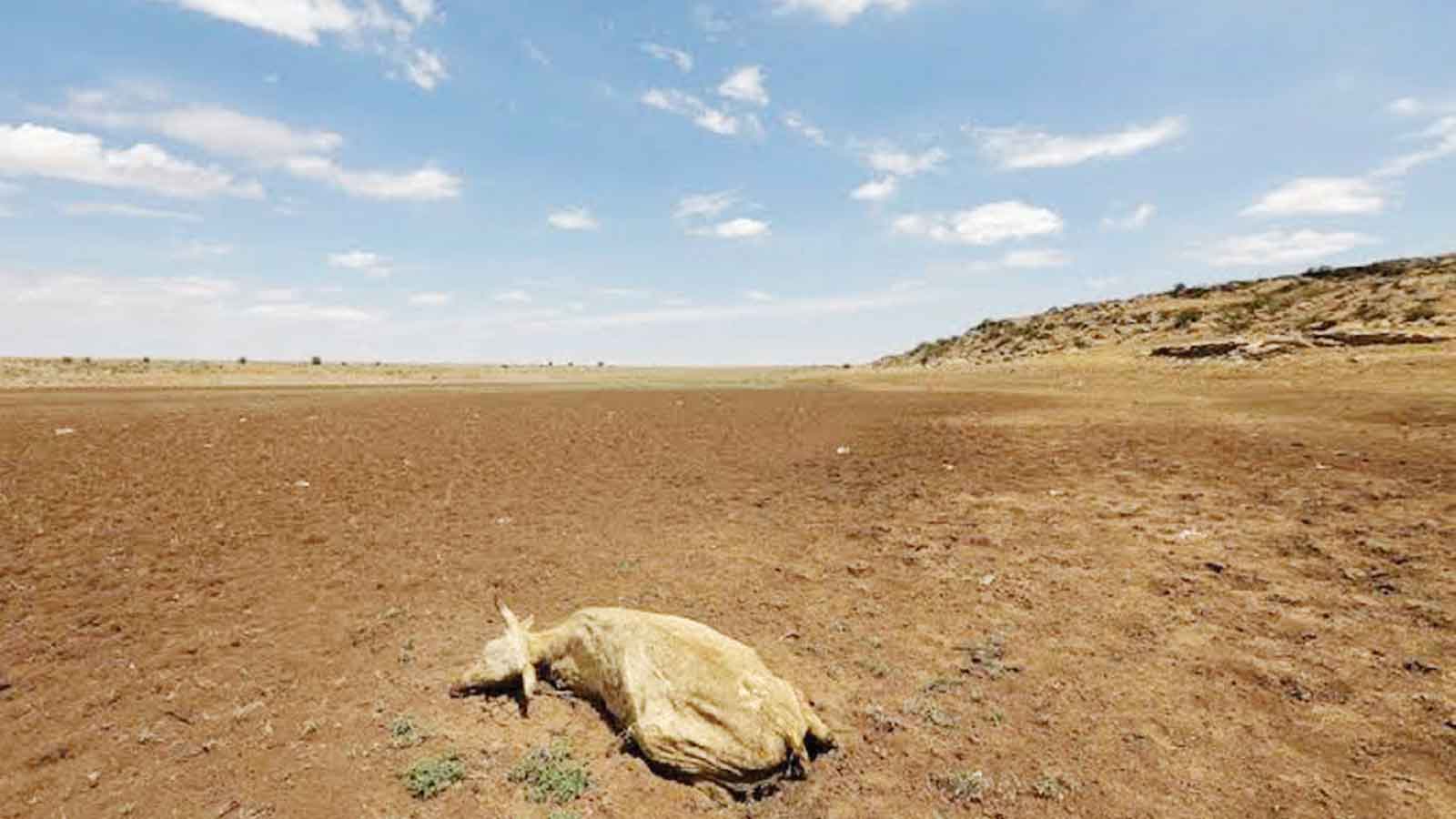
DESPITE the anticipated El Niño-induced drought, Zimbabwe remains firmly focused on safeguarding national food security and ensuring that farmers achieve a good harvest in the 2026/27 agricultural season.
This was said by the Ministry of Agriculture, Mechanisation and Water Resource Development Permanent Secretary, Professor Obert Jiri, in a post on his X handle.
Prof Jiri said the Government is not waiting for the drought to hit, but is already implementing comprehensive interventions through the Six-Pillar Drought Mitigation Strategy.
The strategy covers strategic grain reserves, climate-smart agricultural production, financing and investment, livestock protection, grain imports as a contingency measure, and strengthened coordination, early warning and preparedness.
Prof Jiri said farmers are being encouraged to embrace climate-smart agricultural practices, conserve soil moisture, practise staggered planting and prioritise drought-tolerant traditional grains such as sorghum, pearl millet and finger millet.
He said these small grains are key to withstanding erratic rainfall and prolonged dry spells associated with El Niño. The Pfumvudza/Intwasa programme remains central to building resilience, particularly among smallholder farmers, by promoting conservation agriculture, precise input use and improved yields on small plots.
Prof Jiri said that through early planning, climate-smart production and protection of both crops and livestock, Zimbabwe is determined to cushion vulnerable households and secure a good harvest, even in a difficult season.
In his 2027 National Budget presentation, the Minister of Finance, Prof Mthuli Ncube, said the country has made progress in increasing domestic agricultural production through the implementation of supportive policies, capacity building of farmers through extension services, investment in irrigation development and rehabilitation, as well as promoting conservation and productive farming methods.
This has resulted in significant agricultural output growth across most crops and livestock, ensuring food self-sufficiency.
In 2026, Prof Ncube said the sector is estimated to have grown by five percent on account of higher output of grain, milk and wheat.
Going into 2027, he said the sector is expected to encounter setbacks related to the impact of a super El Niño, which is usually associated with drought in the region.
In this regard, to mitigate against the negative impact of a potential drought, Prof Ncube said the Government has put in place a Six-Pillar Strategy, namely the building of strategic grain reserves, accelerated climate-smart production, an integrated financing architecture, livestock drought mitigation, enhanced imports coordination and early warning systems, and capacity building, to guarantee food security for the country.
“The Strategy is in line with the Agriculture Food Systems and Rural Transformation Strategy 2 (AFSRTS) (2026-2030),” said Prof Ncube.
“In total, the 2027 National Budget has set aside ZiG27.6 billion for the Ministry of Agriculture, Mechanisation and Water Resources Development for the following programmes and projects: the Agriculture Productive Social Protection Scheme; Rural Development 8.0 and industrialisation; irrigation rehabilitation and development; dam construction; procurement of grain for the Strategic Grain Reserve; capacitation of advisory services; drought mitigation; the National Enhanced Agriculture Productivity Scheme (NEAPS); and livestock disease prevention and control.
“Government will also leverage the Infrastructure Development Fund to accelerate investments in agricultural infrastructure, including irrigation rehabilitation and development, mechanisation and dam construction.”
Prof Ncube said development partners are expected to disburse approximately US$20 million to strengthen climate resilience, enhance food and livestock production, improve water availability and irrigation infrastructure, support agricultural value chains, and strengthen community resilience to climate-related shocks.